
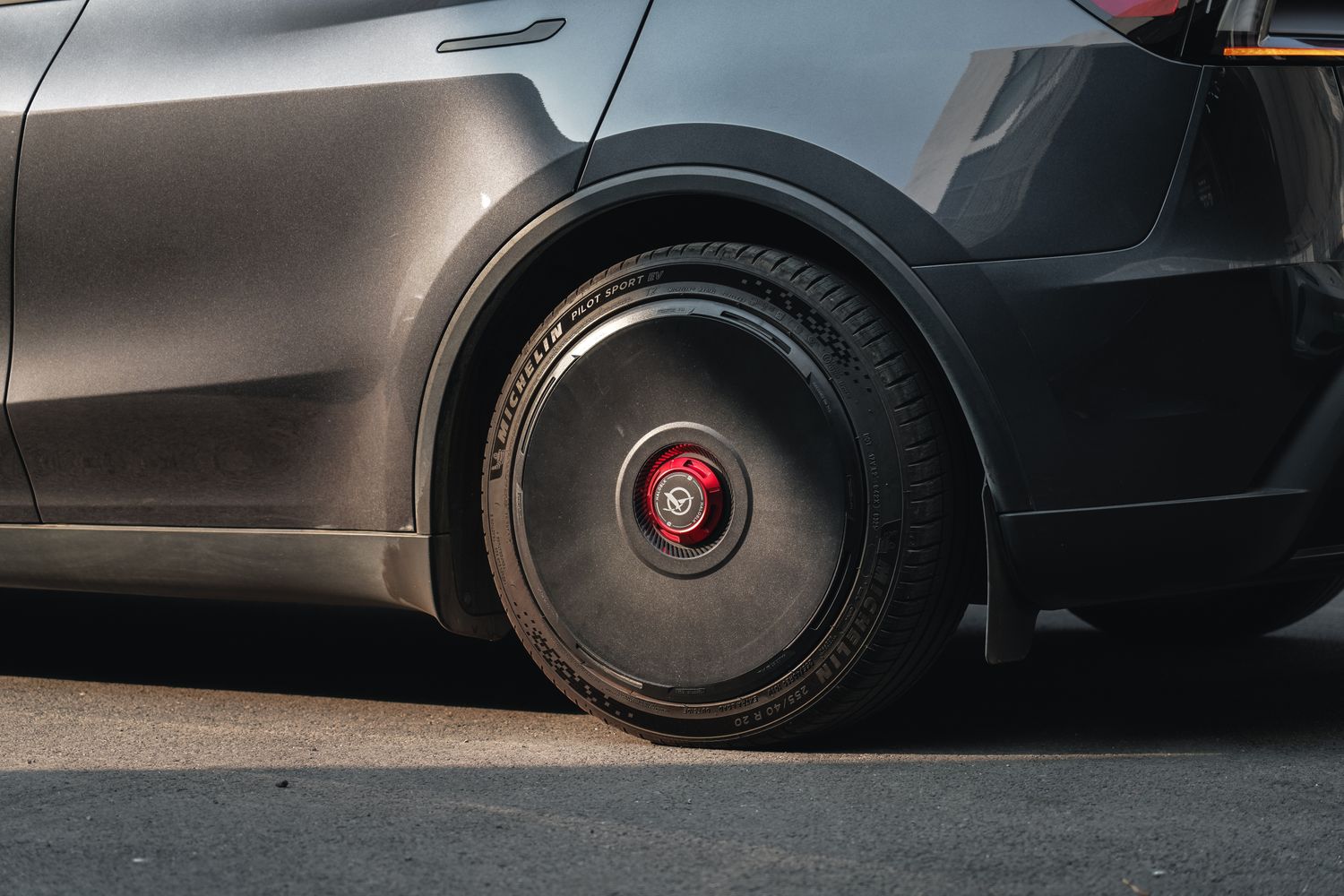
Model 3 Wheel Cover Troubleshooting Guide
Tesla Model 3 wheel covers—often referred to as aero covers or hubcaps—are designed to improve aerodynamics and protect the wheel rim. However, many drivers report the same problem: the wheel cover becomes loose, makes noise, or completely falls off while driving.
This guide focuses on model 3 wheel cover troubleshooting, breaking down the real mechanical reasons behind the issue and offering structured fixes that align with how Tesla wheel covers are engineered.
1. How Tesla Model 3 Wheel Covers Are Secured
Tesla Model 3 wheel covers are not bolted on. They rely on a clip-based retention system, which includes:
- Metal clips or retaining clips around the inner edge
- A center ring or metal ring that seats against the wheel
- Alignment around the valve stem cutout
- Friction contact with the wheel spokes
If any one of these components is misaligned, worn, or bent, the cover can pop off—sometimes without warning.
2. Primary Reasons Tesla Wheel Covers Fall Off
2.1 Misaligned Retaining Clips
The most common failure point is improperly seated metal clips.
- Clips may not fully seat against the wheel
- One clip slightly out of position compromises the entire cover
- Leads to rattling sounds before complete failure
Indicator: clicking or vibration noise at low speed.
2.2 Bent or Worn Metal Clips
Repeated removal, curb hits, or cheap aftermarket materials can cause clips to deform.
- Bent clips lose holding tension
- Rust or metal fatigue accelerates wear
- Cover becomes progressively easier to pull off
Once metal clips lose elasticity, no amount of pressing will permanently secure the cover.
2.3 Incorrect Valve Stem Alignment
If the valve stem opening is not perfectly aligned:
- The cover cannot sit flush
- Pressure builds unevenly across clips
- High-speed driving increases the risk of the cover popping off
This is a frequent installation mistake, especially after tire swaps.
2.4 Debris Between Cover and Wheel
Small stones, sand, or road debris trapped between the cover and wheel rim:
- Prevent full seating
- Create uneven pressure points
- Cause gradual loosening over time
This is common after highway or winter driving.
2.5 Cheap Plastic or Low-Quality Materials
Low-cost hubcaps often use inferior plastic combined with weak clips.
- Plastic flexes too much under load
- Retaining points wear quickly
- Longevity is significantly reduced
Material quality directly impacts how well clips maintain tension.
2.6 Impact From Curbs or Road Hazards
Even minor curb rash can:
- Knock clips out of alignment
- Crack the inner plastic structure
- Damage the metal ring
Often the damage isn’t visible until the cover falls off later.
3. Step-by-Step Model 3 Wheel Cover Troubleshooting
Step 1: Remove the Cover
- Pull evenly from multiple points
- Do not yank from one side
Step 2: Inspect Retaining Clips
- Look for bent, missing, or loose metal clips
- Check for rust or cracks
Step 3: Examine the Center Ring
- Ensure the metal ring is not warped
- Confirm it sits flat against the wheel
Step 4: Clean Contact Surfaces
- Remove debris from wheel and cover
- Pay attention to spoke contact points
Step 5: Reinstall With Proper Alignment
- Align valve stem first
- Press firmly around the entire circumference
- Listen for consistent “click” sounds
If the cover still feels loose after these steps, replacement is recommended.
4. Can You Fix a Loose Wheel Cover Permanently?
Temporary fixes (not recommended for long-term use):
- Tape or adhesive
- Bending clips back manually
Proper solutions:
- Replace worn covers
- Upgrade to wheel covers with reinforced metal clips
- Choose designs with improved clip geometry and stronger materials
A wheel cover that repeatedly falls off is a safety and durability issue, not just cosmetic.
5. Preventing Wheel Cover Loss Long-Term
- Avoid aggressive curb contact
- Inspect clips after tire service
- Remove covers before automatic car washes if poorly fitted
- Prioritize material quality over price
- Replace covers showing early signs of wear
Wheel covers are a wear component—treating them as a disposable accessory leads to repeated failures.
6. Key Takeaway for Tesla Drivers
Tesla Model 3 wheel covers fall off due to mechanical retention failures, not random defects. In most cases, the root cause is one of three factors:
- Clip deformation
- Installation misalignment
- Low-quality materials
Understanding how the aero cover system works allows drivers to diagnose the issue quickly and avoid losing covers at speed.

Leave a comment
All comments are moderated before being published.
This site is protected by hCaptcha and the hCaptcha Privacy Policy and Terms of Service apply.