
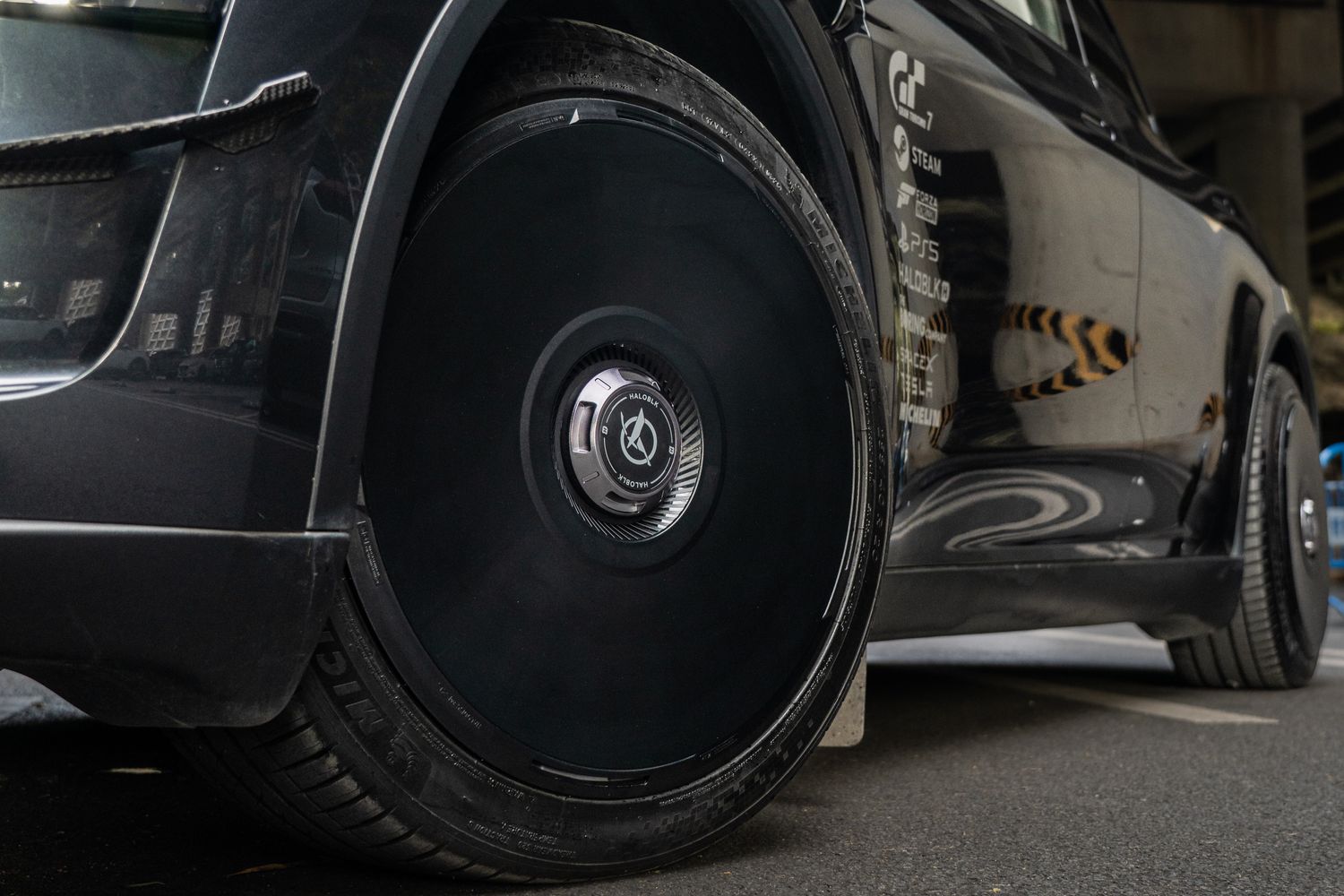
For many Tesla Model 3 owners, wheel covers are the first exterior component considered for an upgrade. At a glance, OEM and aftermarket wheel covers may look similar, but in real-world use, they differ significantly in performance, durability, aesthetics, and long-term ownership value.
This article provides a practical, ownership-focused comparison to help Tesla owners decide whether OEM wheel covers are sufficient—or if aftermarket options are the better strategic upgrade.
Understanding OEM Wheel Covers on Tesla Model 3
OEM wheel covers are supplied by Tesla as part of the factory configuration, primarily on standard and Long Range trims.
What OEM Wheel Covers Are Designed For
- Meet factory efficiency and compliance standards
- Reduce aerodynamic drag on aero wheels
- Keep production and replacement costs low
- Provide basic protection for steel wheels
OEM covers are engineered with cost control and mass production as priorities. They perform their intended function, but they are not optimized for durability, aggressive driving conditions, or long-term aesthetic retention.
Common OEM Limitations
- Thin plastic construction
- Clip systems optimized for assembly speed, not repeated removal
- Limited resistance to curb rash and road debris
- Minimal design variation
For many drivers, OEM covers are “good enough” at delivery—but rarely ideal over time.
What Defines Aftermarket Tesla Model 3 Wheel Covers
Aftermarket Tesla Model 3 wheel covers are designed for owners actively looking to upgrade. Unlike OEM components, aftermarket products are built to compete on performance, appearance, and material quality.
Core Objectives of Aftermarket Designs
- Improved durability and retention strength
- Enhanced aesthetics for a more aggressive or premium look
- Better resistance to curb impact and wear
- Optimized fitment beyond factory tolerances
Aftermarket wheel covers are part of a broader ecosystem of aftermarket upgrades, similar to carbon fiber front lips, wheel spacers, or exterior trim enhancements.
OEM vs Aftermarket: Key Comparison Areas
1. Fitment & Retention Security
OEM covers rely on lighter retaining clips, which can loosen over time—especially after tire service or repeated removals.
Aftermarket covers typically feature:
- Reinforced metal clips
- Improved center ring geometry
- Tighter tolerance around the wheel spokes
Result: aftermarket covers stay secure at high speeds and are less prone to falling off.
2. Material Quality & Longevity
OEM wheel covers prioritize lightweight plastic to reduce cost.
Aftermarket options commonly use:
- ABS or composite materials
- Thicker structural walls
- Higher impact resistance
Result: longer lifespan, less cracking, and better resistance to daily driving abuse.
3. Driving Experience & Performance
From a performance standpoint, both OEM and aftermarket wheel covers aim to:
- Reduce drag
- Maintain vehicle range
- Support aerodynamic efficiency
High-quality aftermarket covers match OEM aerodynamic performance while adding structural rigidity. Poor-quality aftermarket products, however, can negatively affect balance or noise—making supplier selection critical.
4. Aesthetics & Exterior Transformation
OEM wheel covers are intentionally conservative in design.
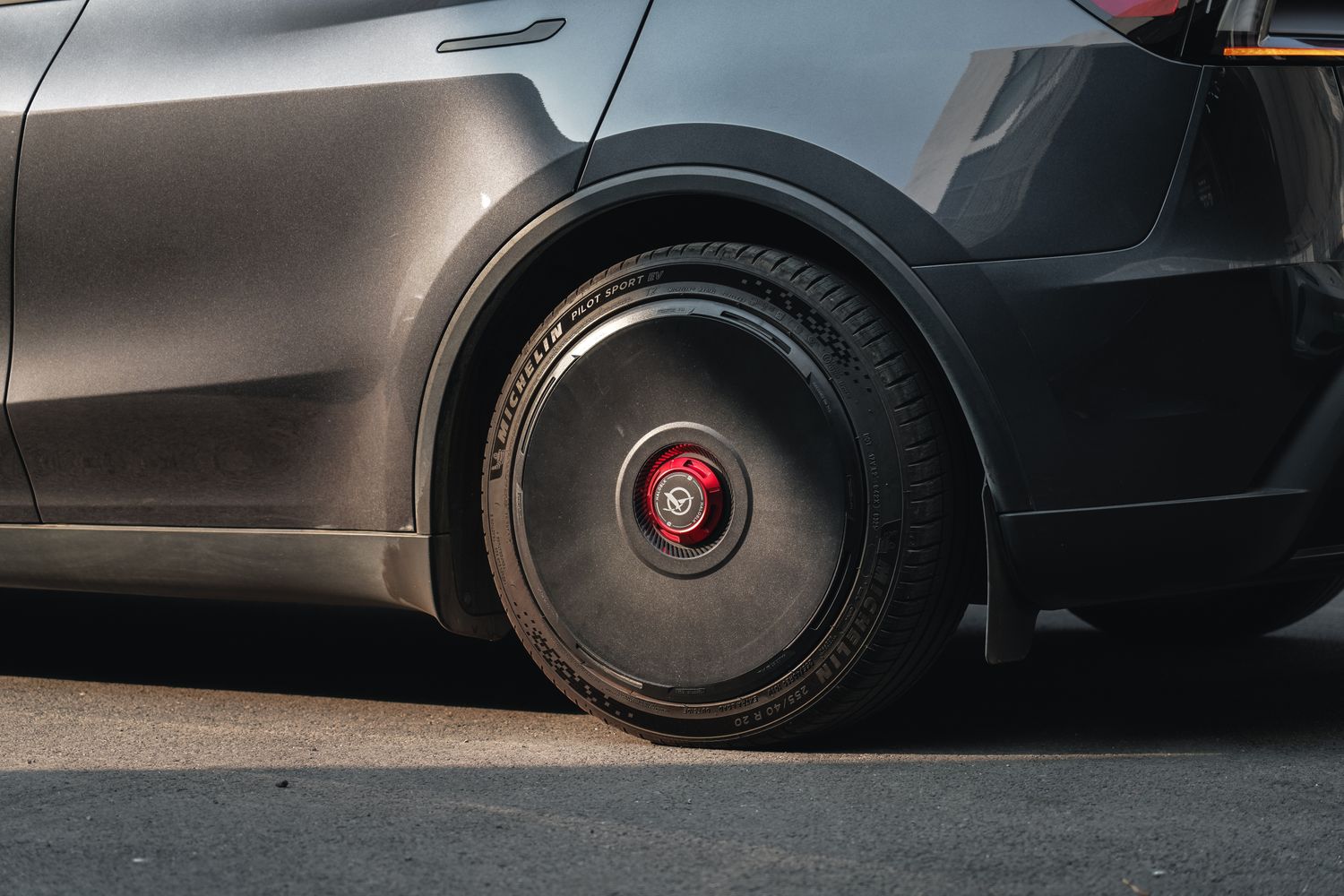
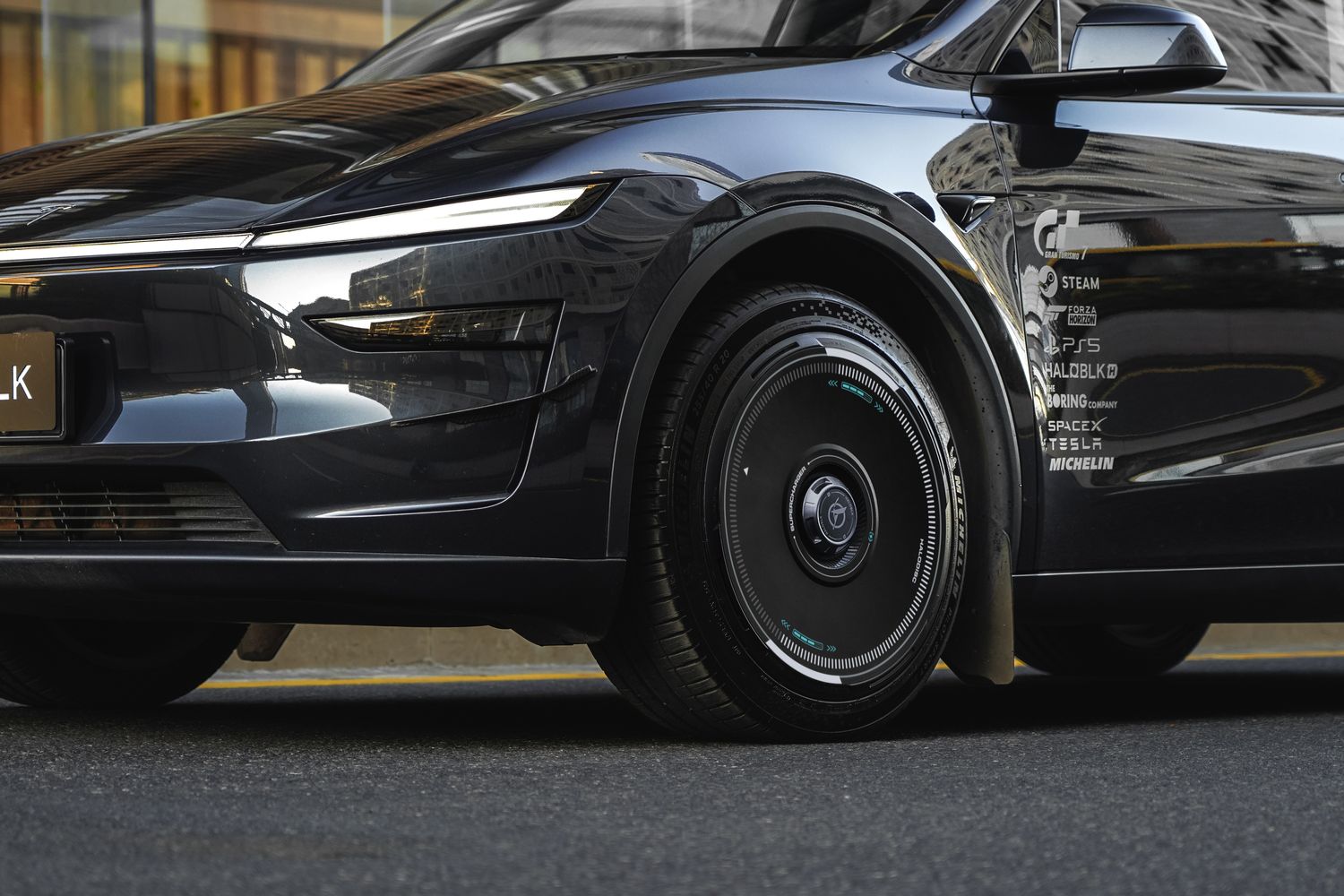
Aftermarket wheel covers allow owners to:
- Transform the Tesla Model 3 exterior
- Achieve a sportier or more aggressive look
- Match other exterior upgrades
For many Tesla owners, visual differentiation is the primary motivation to switch.
5. Value Over Ownership Lifecycle
OEM covers are inexpensive to replace—but often replaced more frequently.
Aftermarket covers:
- Cost more upfront
- Last significantly longer
- Reduce replacement cycles
From a total cost of ownership perspective, aftermarket covers often provide better long-term value.
Which Option Is Better for Tesla Owners?
The answer depends on ownership priorities:
OEM wheel covers are better if you:
- Prefer factory originality
- Drive primarily in low-risk urban conditions
- Do not plan exterior modifications
Aftermarket wheel covers are better if you:
- Want improved durability and security
- Care about aesthetics and personalization
- Frequently remove covers or service tires
- Expect long-term ownership
Most Tesla owners who upgrade do so after experiencing at least one OEM limitation—loose clips, cosmetic damage, or design fatigue.
Final Verdict
OEM wheel covers are engineered to meet factory requirements at scale. Aftermarket wheel covers are engineered to improve the ownership experience.
For Tesla Model 3 owners looking to upgrade, high-quality aftermarket wheel covers offer clear advantages in durability, fitment, and appearance—without sacrificing performance or efficiency.
Key Takeaway
OEM wheel covers optimize for manufacturing efficiency. Aftermarket wheel covers optimize for drivers.

Leave a comment
All comments are moderated before being published.
This site is protected by hCaptcha and the hCaptcha Privacy Policy and Terms of Service apply.