
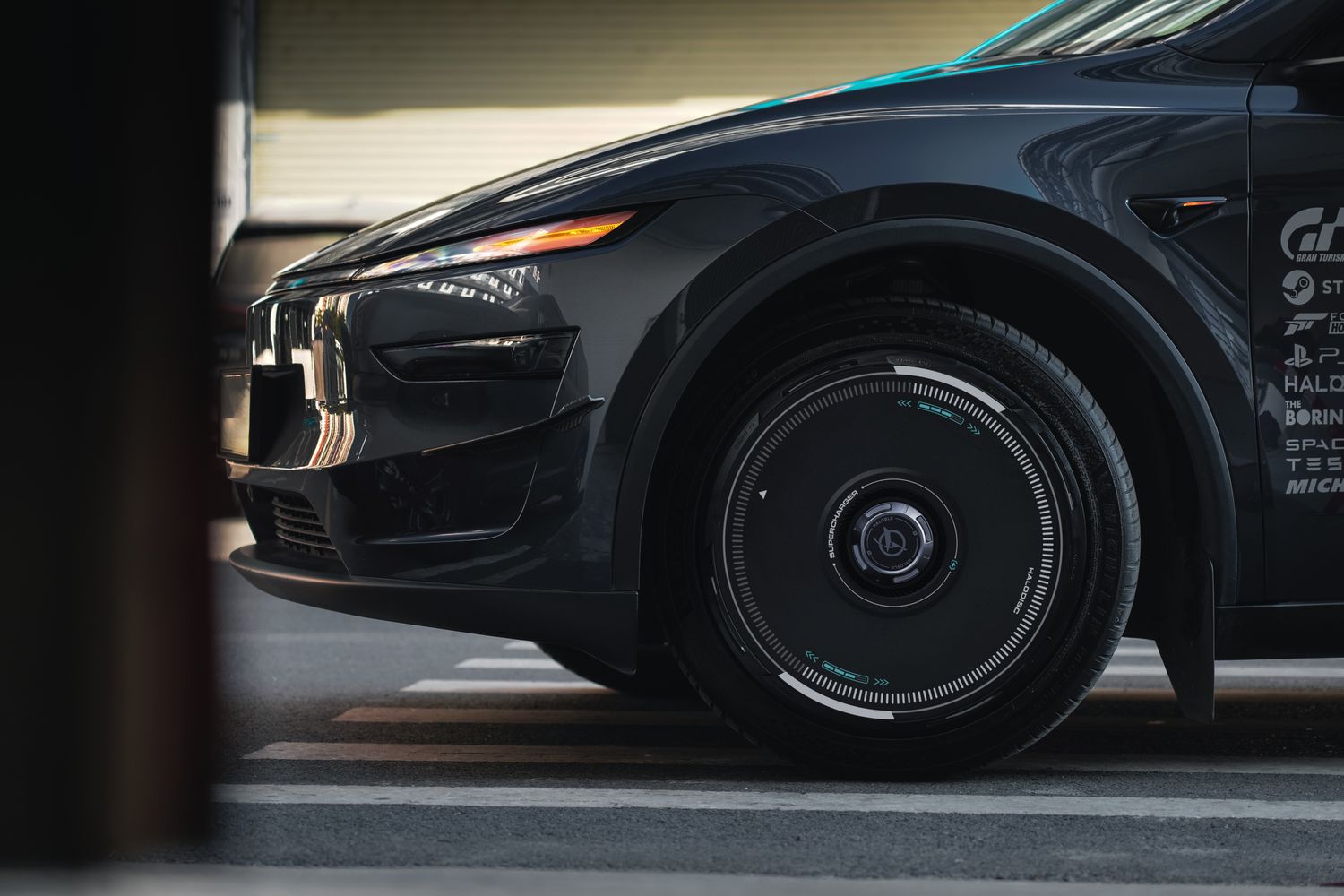
When evaluating Tesla Model 3 wheel cover material, most buyers focus on design first, but long-term performance is driven almost entirely by material selection. Wheel covers are not purely decorative hubcaps — they protect the entire wheel, influence aerodynamics, impact vehicle’s range, and determine how well the cover withstands curb rash, road debris, and high-speed driving.
This article provides a material-level comparison of plastic, ABS wheel covers, and PP wheel covers, with a decision framework tailored for Tesla owners prioritizing durability, efficiency, and lifecycle value.
1. Why Wheel Cover Material Matters on Tesla Model 3
Tesla wheel covers are engineered to serve multiple roles simultaneously:
- Provide full coverage over steel wheels or alloy rims
- Improve aerodynamics and reduce drag at high speeds
- Protect lug nuts and wheel edges from debris and corrosion
- Enhance visual appeal while maintaining lightweight efficiency
Material choice directly affects wheel cover durability, resistance to cracking, weight, and how well the cover maintains its structure under weather changes and repeated installation cycles.
2. Standard Plastic Wheel Covers (Generic Injection Plastic)
Basic plastic wheel covers are commonly used in entry-level Tesla accessories due to low production cost.
Material characteristics
- Typically low-grade mixed plastics
- Minimal composite reinforcement
- Lightweight but structurally weak
Performance assessment
- Prone to cracking under curb contact
- Lower resistance to heat and cold cycling
- Decorative function dominates over protection
Best suited for
- Short-term cosmetic upgrades
- Low-speed, urban driving
- Budget-first buyers prioritizing appearance over lifespan
Limitations
- Reduced wheel cover lifespan
- Poor curb rash protection
- Faster degradation under UV exposure
3. ABS Wheel Covers – Balanced Durability & Structure
ABS wheel covers are the most widely adopted mid-to-high tier option for Tesla Model 3.
Material properties
- Acrylonitrile Butadiene Styrene (ABS)
- Rigid structure with impact resistance
- Stable shape retention at high speeds
Performance advantages
- Strong resistance to cracking and deformation
- Maintains full coverage at highway speeds
- Better protection against scratches and curb damage
- Compatible with aerodynamic wheel designs
Trade-offs
- Slightly heavier than PP
- Can become brittle in extreme cold if not engineered properly
Ideal for
- Daily drivers
- Tesla owners seeking durability without premium pricing
- Long-term replacement of OEM aero covers
4. PP Wheel Covers – Lightweight & Impact-Resistant
PP wheel covers (polypropylene) represent a more advanced material choice focused on flexibility and fatigue resistance.
Material strengths
- High elasticity and impact absorption
- Excellent resistance to cracking
- Lightweight, reducing rotational mass
Functional benefits
- Superior curb rash tolerance
- Better performance under repeated installation/removal
- Enhanced lifespan in temperature-variable climates
- Supports aerodynamic efficiency without added weight
Considerations
- Requires precise molding to maintain rigidity
- Premium PP formulations cost more than standard ABS
Best use cases
- Performance-oriented Tesla drivers
- Owners prioritizing durability + lightweight balance
- Long-term accessory investment
5. Plastic vs ABS vs PP – Material Comparison Matrix
|
Criteria |
Plastic |
ABS |
PP |
|---|---|---|---|
|
Durability |
Low |
High |
Very High |
|
Weight |
Light |
Medium |
Light |
|
Curb Rash Resistance |
Weak |
Strong |
Strongest |
|
Crack Resistance |
Poor |
Good |
Excellent |
|
Lifespan |
Short |
Medium-Long |
Long |
|
Aerodynamic Stability |
Limited |
Strong |
Strong |
|
Overall Quality |
Entry |
Mid-High |
Premium |
6. How Material Impacts Vehicle Range & Aerodynamics
Well-designed wheel covers reduce drag around the entire wheel, helping maintain Tesla’s efficiency advantage.
- Lightweight materials reduce rotational inertia
- Rigid structures prevent airflow disruption at high speeds
- Proper fit ensures aero wheels perform as intended
Material choice indirectly affects vehicle range, especially during highway driving where aerodynamics dominate efficiency.
7. Strategic Recommendation for Tesla Owners
From a lifecycle and performance perspective:
- Avoid generic plastic for long-term use
- ABS offers the best balance of cost, protection, and stability
- PP is the superior option for durability, weight optimization, and long-term ownership
For Tesla Model 3 owners treating wheel covers as a functional upgrade rather than a disposable accessory, material quality should be the primary decision variable.
Key Takeaway
Wheel covers are engineered components, not simple hubcaps. Selecting the right Tesla wheel cover material directly influences durability, appearance retention, aerodynamic efficiency, and total cost of ownership. ABS and PP dominate for a reason — they align with Tesla’s performance-driven design philosophy.

Leave a comment
All comments are moderated before being published.
This site is protected by hCaptcha and the hCaptcha Privacy Policy and Terms of Service apply.