
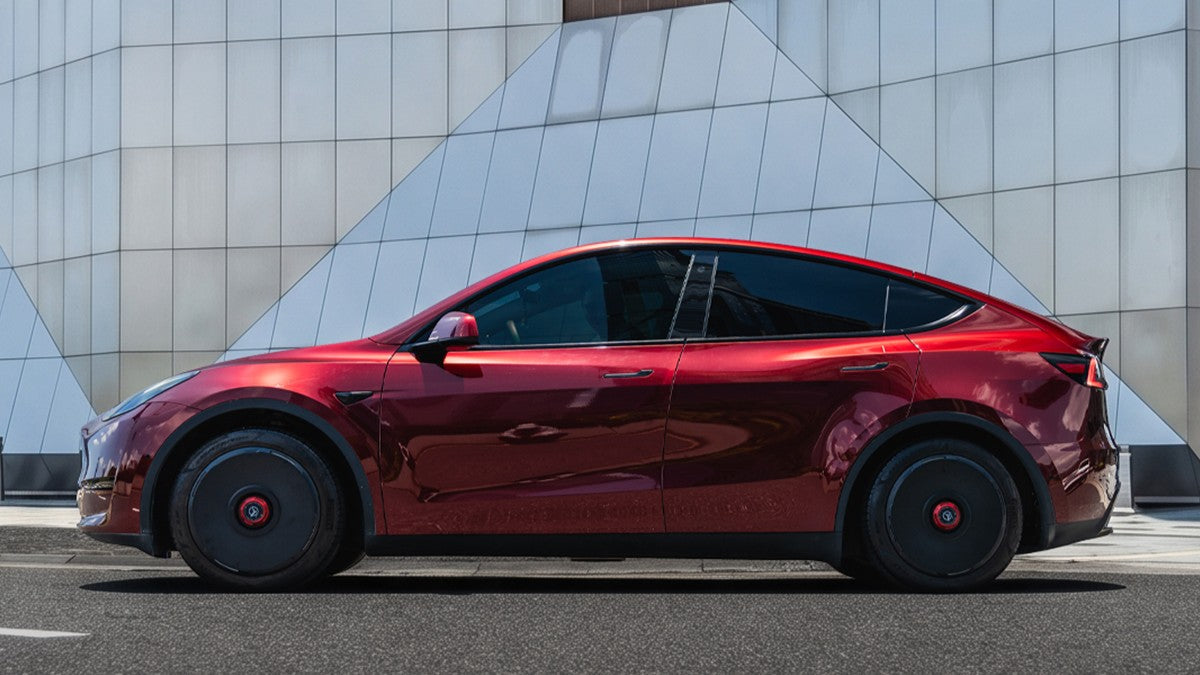
Knowing when to replace Tesla wheel covers is less about following a fixed schedule and more about watching how each cover looks, sounds, and fits. Tesla wheel covers do not come with a universal replacement interval. Some remain secure for years, while others need attention after one hard curb hit, a harsh winter, or repeated removal during tire service.
For most Tesla owners, the right point to replace a damaged cover is when it develops visible cracking, broken clips, persistent noise, or a loose fit. Cosmetic scratches can often wait. A cover that feels unstable, however, should be inspected before the next high-speed drive.
Tesla Wheel Covers Do Not Have a Fixed Lifespan
The life of wheel covers depends on driving conditions, parking habits, climate, installation quality, and how often they are removed. A Tesla Model Y used for highway commuting may experience different wear from a car that spends most of its time parallel parking in a crowded city.
Wheel covers are especially prone to damage from:
- Curbs and tight parking spaces
- Road debris and pothole impacts
- Brake dust buildup
- Rain, snow, salt, and harsh weather conditions
- Incorrect installation
- Repeated removal during tire rotations
- Clips becoming brittle over time
A high-quality full set can maintain its appearance and secure fit for a long distance. Still, routine inspection matters more than age alone.
Replace a Cover When You Notice Cracking
Visible cracking is one of the clearest signs that a wheel cover has reached the end of its useful life. Small cracks often begin near the center, outer edge, clip points, or valve stem opening.
Cracking may appear harmless at first, but vibration from daily driving can cause the damaged area to spread. Heat, cold, winter weather, and repeated impacts can make the material more vulnerable.
Press gently around the damaged surface. If the crack opens, flexes, or makes a clicking noise, the cover should not remain in service. A replacement is usually more practical than trying to repair plastic that is already weakened.
This applies to full wheel covers, aero covers, hub caps, and center caps. A broken center cap may be mostly an appearance issue, but a cracked full cover can affect the way the part stays attached to the wheel.
Persistent Noise Usually Means the Fit Has Changed
A properly installed wheel cover should remain stable and relatively quiet. If you notice rattling, clicking, scraping, or vibration while driving, stop and inspect the cover.
Noise may be caused by:
- A damaged clip
- Debris trapped behind the cover
- Incorrect valve stem alignment
- A warped edge
- The wrong cover for the Tesla model or wheel size
- A cover that was not fully pressed into place
Remove the cover and check the attachment points. Clean away brake dust, stones, or other debris before reinstalling it. Press around the entire edge and center until the clips engage.
When the noise returns after installation, the cover may no longer provide a secure fit. Continuing to use a loose cover increases the chance of it falling off, particularly at high speed.
Severe Curb Rash Can Weaken the Entire Cover
Minor curb rash does not always require immediate action. Light scratches on the surface may only affect the vehicle’s appearance. Many Tesla owners continue using scratched covers when the clips and outer edge remain intact.
Severe rash is different. A strong curb hit can deform the cover, damage hidden clips, or create cracking that is difficult to notice from the front.
Remove the cover after a significant impact and inspect both sides. Focus on the edge that hit the curb, the center mounting area, and every clip. Also check the OEM wheels and tires for visible damage.
Wheel covers provide a useful shield against everyday contact, but they cannot prevent every kind of rim or tire damage. Full-coverage aftermarket covers generally protect more of the rim surface than small hub caps or center caps, which may leave the outer rim exposed.
For drivers worried about ugly curb marks, replacing a damaged cover is often less expensive than restoring or replacing a scratched wheel.
A Loose Cover Should Not Be Ignored
A wheel cover should not move when you lightly press around its outer edge. Movement in one area may mean a clip is not engaged. Movement around the entire cover may indicate incorrect fitment or worn attachment points.
Do not continue driving simply because the cover has not fallen off yet. A loose part can become lost on the road, create additional noise, or strike nearby vehicles.
Before making a new purchase, confirm:
- Your exact Tesla model
- Model year or generation
- Wheel diameter
- OEM wheel design
- Valve stem position
- Whether you need one cover or a full set
Fitment is particularly important for the Tesla Model Y because different years and wheel configurations may not use the same cover design. A Model Y cover should match the specific wheels on the vehicle, not just the model name shown in an online store.
Inspect Wheel Covers During Tire Rotations
Tire rotations are a practical time to test the condition of every cover. Since the covers are already being removed, inspect the clips, center section, surface, and valve stem opening.
Check for:
-
Hairline cracking
-
Missing clips
-
Warping
-
Heavy brake dust
-
Scratches that reach deeply into the material
-
Loose foam or padding
-
Signs of rubbing against the wheels
Clean the rims before reinstalling the covers. Trapped dirt can create noise and may scratch the wheel surface over time.
Most wheel covers can be removed and installed without specialized tools. Follow the product instructions rather than pulling from one point with excessive force. Applying uneven pressure can damage clips that were still in good condition.
Weather Can Shorten Wheel-Cover Life
Tesla vehicles used in areas with heavy snow, rain, road salt, or extreme temperature changes may need more frequent inspection. Cold weather can make some plastic materials brittle, while heat may cause lower-quality covers to warp.
During winter, clear packed snow and ice from the wheels rather than allowing buildup to remain behind the cover. After driving on salted roads, wash the wheel area to reduce dirt accumulation.
Durable aftermarket covers are designed to withstand normal harsh weather conditions, but no cover is immune to repeated physical wear. Climate, driving distance, and road quality all make a difference.
Damaged Covers May Affect Aerodynamic Performance
Aero covers are designed to create a smoother surface around the wheels. Balanced airflow can help reduce wind disturbance and noise during highway driving. Lightweight construction also avoids adding unnecessary weight to the car.
A cracked, warped, or partially detached cover cannot maintain the shape it was designed to create. The real difference in range and efficiency will depend on speed, tires, weather, wheel design, and driving style, so owners should avoid expecting one guaranteed performance result.
The practical focus should be whether the cover remains flat, secure, and properly fitted. High-quality wheel covers provide the greatest benefit when they maintain their intended shape.
Appearance Is Also a Good Reason to Upgrade
Not every owner waits for damage. Some opt for new wheel covers because they want to personalize their Tesla or enhance the vehicle’s appearance.
Black covers can give a Model Y a sportier style, while custom accents can help the car feel less ordinary. A wheel-cover change can make a more noticeable exterior difference than many small interior accessories, without the cost of purchasing new wheels and tires.
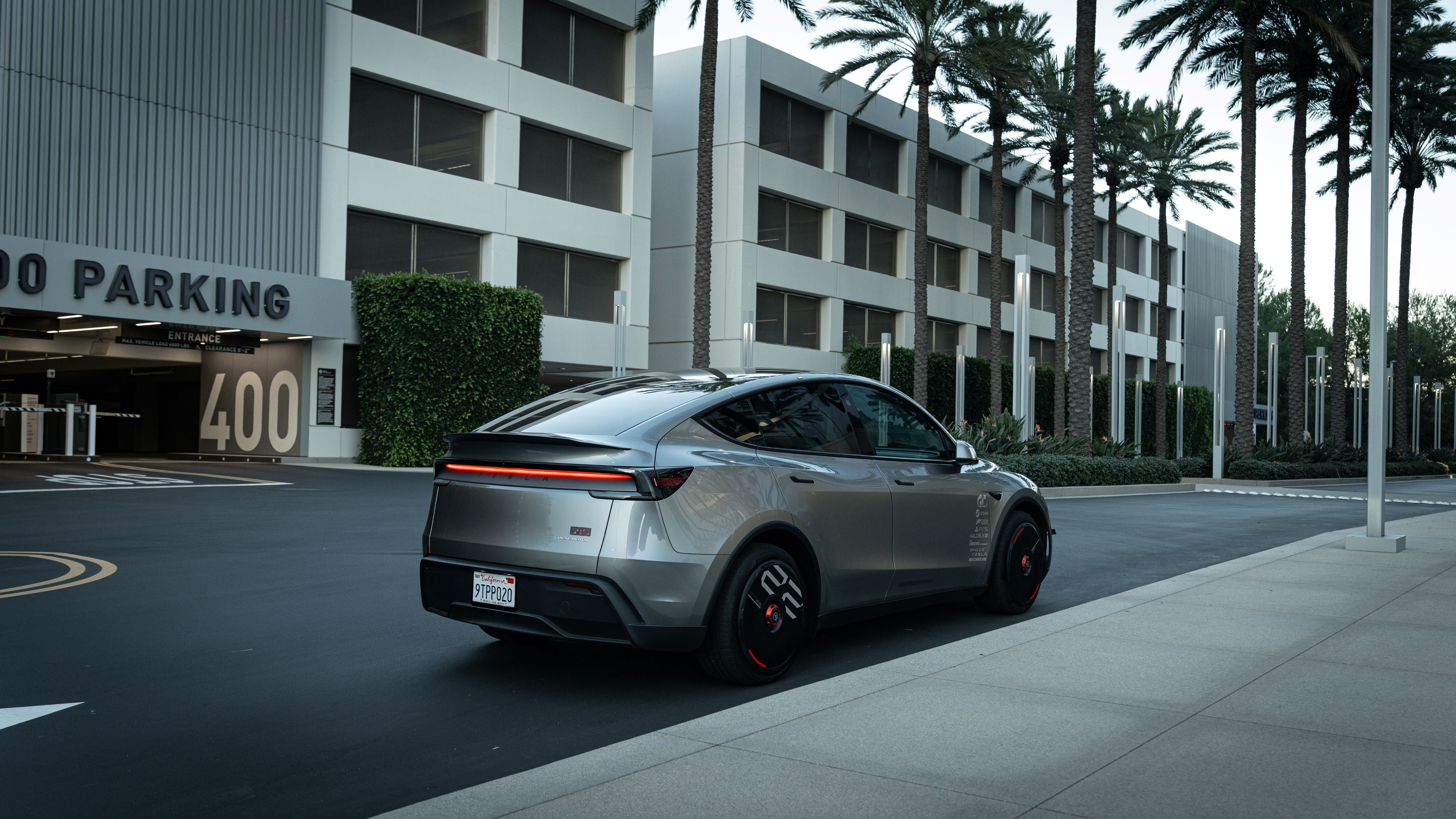
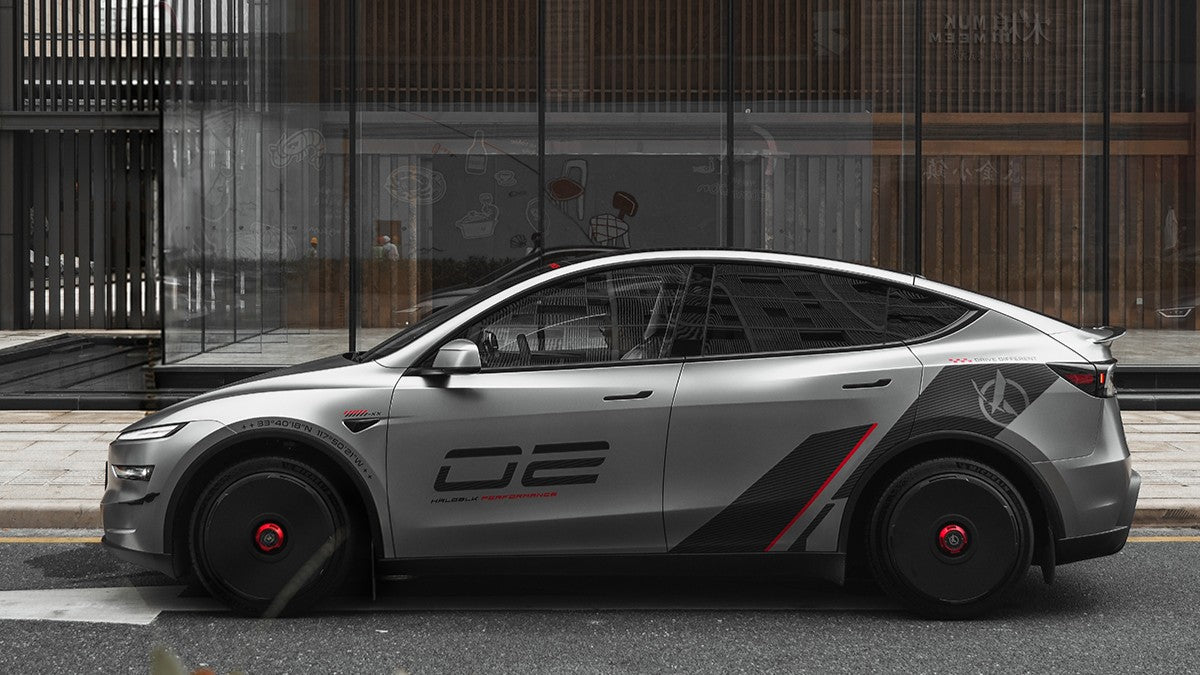
HALOBLK offers Tesla-focused HALODISC 2 designs for compatible Model 3 and Model Y wheels. Available styles may include RTP, Charging, Cyber Track, Supercharger, Arrow, and custom-number options. The full-coverage design is intended to refresh the appearance of OEM wheels while adding another layer of protection against scratches, curb contact, and road debris.
Owners should confirm current compatibility and product details before ordering. A cool design is only a worthwhile upgrade when it matches the exact wheel and installs securely.
The Right Time Depends on Condition
Replace Tesla wheel covers when you see structural cracking, broken clips, severe curb rash, repeated loosening, or persistent noise. Light surface scratches can usually remain in place if the cover still fits correctly.
Inspect each cover after a curb hit, during tire rotations, and before long-distance winter driving. Clean brake dust and debris regularly, confirm valve stem access, and make sure every cover sits flat against the wheel.
The goal is simple: maintain a secure fit, protect the rims, preserve aerodynamic shape, and keep the Tesla looking modern. When a cover can no longer do those jobs, it has reached the right point for replacement.

Featured Tesla Upgrade
HALODISC 2 RTP – Black
From $219 $229
Give your Tesla a cleaner, more distinctive side profile while helping protect the original wheels from everyday curb rash and scratches. Select your Tesla model and wheel size below.
- ✓ Secure center-lock installation
- ✓ Full-rim curb rash protection
- ✓ Set of four wheel covers
- ✓ Fast US shipping on eligible fitments
Not compatible with the 2026 Model 3 Standard 18-inch Prismata, 2026 Model Y Juniper Standard 18-inch Aperture, or 2026 Model Y Juniper 21-inch Arachnid 2.0 wheels.

Leave a comment
All comments are moderated before being published.
This site is protected by hCaptcha and the hCaptcha Privacy Policy and Terms of Service apply.