That scraping sound beside a curb can make any Tesla owner wince. Yet the mark left behind may be nothing more than cosmetic curb rash—or it may be a warning that the wheel, tire, or wheel balance needs attention.
The practical difference is simple: curb rash usually affects the wheel’s finish, while serious wheel damage can affect air pressure, handling, and the wheel’s structural integrity. Scratches and light scuffs can often be repaired. Cracks, bends, missing metal, persistent vibration, or continuing tire-pressure loss call for a professional inspection.
What Is Curb Rash?
Curb rash is localized cosmetic damage caused when a wheel brushes against a curb, usually during parallel parking, a tight turn, or a drive-through maneuver. It commonly appears as scratches, chipped paint, rough edges, or shallow gouges around the rim.
Larger wheels and low-profile tires can leave more of an alloy wheel exposed. That makes aluminum wheels especially vulnerable when the tire provides little cushioning between the curb and the wheel surface.
Most cosmetic curb rash does not change how the vehicle drives. The steering should feel normal, the tire should hold pressure, and there should be no unusual vibration at highway speeds. The main concerns are visual appeal and exposed metal. Once the clear coat or paint has been removed, raw aluminum may be vulnerable to corrosion from moisture, road contaminants, and brake dust.
When Does Curb Rash Become Wheel Damage?
Wheel damage is a broader category that includes structural problems such as bends, cracks, breaks, or missing chunks. These problems are not simply flaws in the wheel’s finish.
A hard curb impact or pothole can bend the inner rim even when the cosmetic curb damage on the outside looks minor. Structural damage may cause:
- Repeated loss of tire pressure
- Vibration through the seat or steering wheel
- Pulling or unstable steering
- New wheel-balance problems
- Visible cracks or deformation
- A tire that no longer seals correctly against the rim
Tesla displays recommended cold tire pressure and pressure information through the vehicle interface on supported configurations. A severe underinflation warning should be treated seriously rather than dismissed as a cosmetic-wheel issue. Tesla also advises owners to use a Tesla Service Center or qualified tire shop when damaged tires require repair or replacement.
A Practical Wheel-Damage Severity Guide
|
Severity |
Typical condition |
Likely action |
Estimated professional cost |
|---|---|---|---|
|
Level 1 |
Surface scratches under 1/16 inch deep |
Cosmetic repair |
$75–$125 |
|
Level 2 |
Noticeable rash, chipped finish, shallow gouges |
Sanding, filling, and refinishing |
$125–$225 |
|
Level 3 |
Deep gouges, exposed metal, damage over several inches |
Professional wheel repair |
$225–$350 |
|
Level 4 |
Cracks, bends, air leaks, or missing material |
Structural evaluation or wheel replacement |
Quote required |
These figures are planning estimates rather than guaranteed repair costs. Professional repair costs may range from approximately $75 to $500 per wheel depending on the wheel material, finish, color match, location, and severity of the rash damage. A powder coat finish or difficult factory paint may create a higher cost than a basic cosmetic repair.
A supplied estimate suggests that around 5% of curb rash incidents involve structural damage. Because no supporting study was provided, that percentage needs verification before publication as an established statistic.
DIY Repair or Professional Repair?
A DIY repair kit may start around $30 and can make sense for light cosmetic curb rash when the wheel remains straight and the tire holds pressure. A typical DIY repair process involves cleaning the wheel, sanding the damaged area, applying repair materials, matching the paint, and restoring the clear coat.
The difficult part is not buying the kit. It is achieving an even surface and convincing color match. Inexperienced DIY attempts can leave sanding marks, uneven paint, or filler that becomes visible after a few washes.
Professional curb rash repair normally begins with a detailed wheel inspection. The technician cleans and sands the damaged area, applies metal filler to deep gouges where appropriate, restores the wheel’s finish, and checks whether the rim shows signs of structural damage.
Cracks, bends, continuing pressure loss, or abnormal vibration are not suitable DIY repair projects. The U.S. Tire Manufacturers Association recommends seeking professional advice when a tire condition is concerning and lists inspection, wheel balancing, rotation, and alignment among appropriate professional services.
New tires will not correct a bent wheel, and a cosmetic repair cannot restore a cracked rim’s structural integrity.
Can HALOBLK Wheel Covers Help?
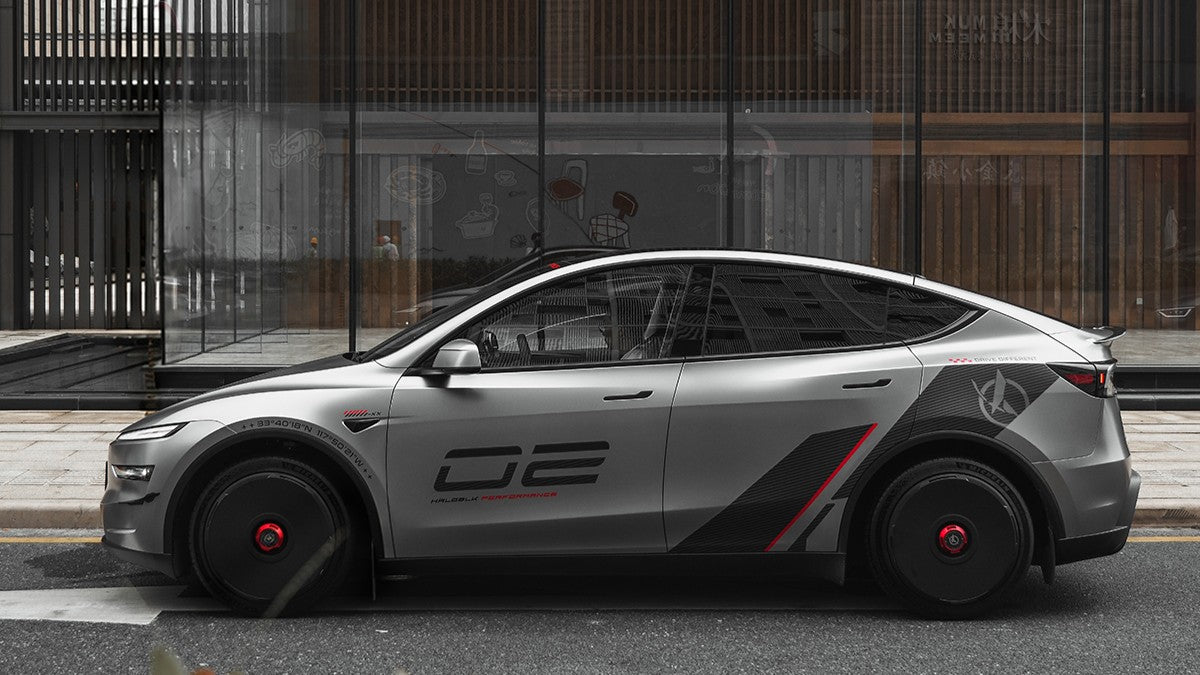
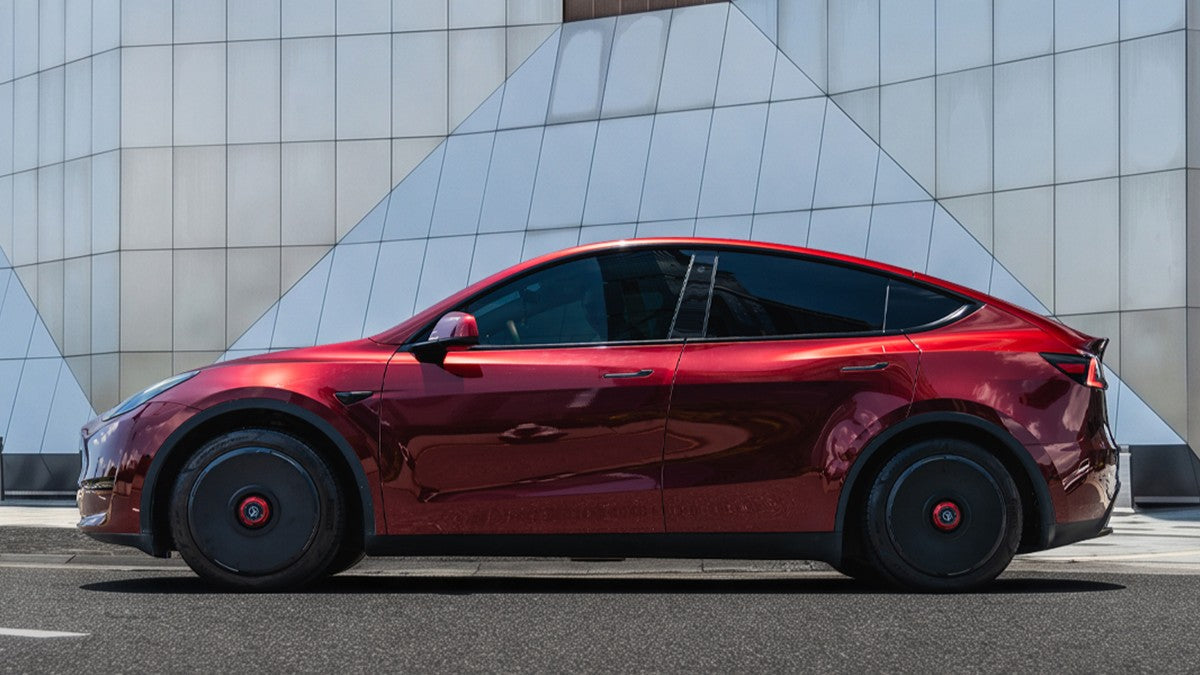
For Tesla owners who regularly park near curbs, prevention may cost less than repeated rash repair. HALOBLK HALODISC 2 wheel covers are designed to refresh the appearance of compatible Tesla factory wheels while providing fuller rim coverage against everyday scratches and scuffs.
HALODISC 2 options include styles such as RTP, Charging, Cyber Track, Supercharger, Arrow, and Custom Number designs. That gives owners a way to change the car’s appearance without paying for an entirely new set of wheels.
A wheel cover may conceal existing cosmetic curb rash and help absorb light parking scrapes, but it cannot fix curb rash that has already caused corrosion. It also cannot make a cracked or bent wheel safe. Any serious damage should be inspected before a cover is installed.
Correct fitment matters as much as style. Tesla owners should confirm the exact vehicle model, model year, factory wheel design, and wheel size before ordering. A poorly fitted cover may become loose or interfere with normal use, while a model-specific cover is intended to provide a more secure fit. Fitment, compatibility, installation evidence, and road-use examples are particularly important trust signals for Tesla accessory content.
The Decision Tesla Owners Should Make
Light scratches, scuffs, and chipped paint with no pressure loss or vibration are usually cosmetic issues. They can often be handled through DIY repair, professional cosmetic repair, or a properly fitted HALOBLK wheel cover after the underlying condition has been checked.
A bent rim, visible crack, recurring pressure warning, unusual steering, or persistent vibration is a different matter. Stop treating it as a cosmetic issue and have the wheel-and-tire assembly inspected.
The goal is not to panic over every curb rash incident. It is to recognize the moment when appearance ends and safety begins.Curb Rash vs Wheel Damage: What Tesla Owners Should Know
A brief scraping sound during parallel parking can ruin a Tesla owner’s day. You step out, look at the wheel, and find scratches, chipped paint, or a rough patch along the rim. The immediate question is not only, “How much will this cost?” It is also, “Is this just curb rash, or is the wheel actually damaged?”
The difference matters. Curb rash is usually cosmetic damage caused by wheel contact with a curb. Wheel damage can involve bends, cracks, breaks, or missing material that may affect tire pressure, handling, wheel balance, and vehicle control.
Most curb rash can be repaired. Structural damage needs professional inspection and may require wheel repair or wheel replacement.
What Is Curb Rash?
Curb rash is localized cosmetic wheel damage caused when the outer edge of a wheel brushes against a curb. It commonly happens during parallel parking, tight turns, drive-through maneuvers, or when judging the curb from the steering wheel is difficult.
Curb rash usually appears as:
- Surface-level scratches and scuffs
- Chipped paint or clear coat
- Shallow or deep gouges
- Rough areas along the rim
- Exposed metal around the wheel edge
Almost every driver experiences a curb rash incident at some point. It is widely considered the most common type of wheel damage, particularly on vehicles with larger wheels, aluminum wheels, or low-profile tires.
In most cases, cosmetic curb rash affects the wheel’s finish and visual appeal rather than the wheel’s structural integrity. The car should continue to steer normally, the tire should maintain pressure, and there should be no persistent vibration at highway speeds.
The damage should not be ignored indefinitely, however. Once the clear coat and paint are removed, raw aluminum may be exposed to moisture, brake dust, road salt, and environmental contaminants. Over time, this exposure can cause corrosion and make a future cosmetic repair more difficult.
Curb Rash vs Wheel Damage
The easiest way to understand curb rash vs wheel damage is to separate appearance problems from structural problems.
|
Condition |
Common signs |
Main concern |
Recommended action |
|---|---|---|---|
|
Cosmetic curb rash |
Scratches, scuffs, chipped paint, shallow gouges |
Appearance and exposed metal |
DIY repair or professional cosmetic repair |
|
Moderate wheel damage |
Deep gouges, recurring pressure loss, noticeable vibration |
Tire seal, wheel balance, handling |
Professional wheel inspection |
|
Structural damage |
Bends, cracks, breaks, or missing chunks |
Air leaks, vehicle control, safety |
Professional repair or wheel replacement |
Moderate to severe wheel damage can affect handling and tire pressure. A bent rim may prevent the tire from sealing correctly, while a crack can allow air to escape. Structural wheel damage can also create vibration through the steering wheel or vehicle body.
Arrange an inspection if the Tesla is showing signs such as:
- Persistent vibration while driving
- Repeated loss of tire pressure
- A steering pull that was not present before
- Visible cracks or bends
- A wheel that appears out of shape
- A tire bead that no longer seals correctly
New tires will not fix a bent alloy wheel, and cosmetic paint cannot restore a cracked wheel’s structural integrity.
Understanding Wheel Damage Severity Levels
Curb rash damage can be grouped into practical severity levels to help owners make informed decisions.
Level 1: Light Surface Damage
Level 1 damage consists of surface scratches less than 1/16 inch deep. The clear coat or paint may be marked, but the underlying alloy wheel is not seriously gouged.
Professional Level 1 rash repair costs commonly range from $75 to $125 per wheel.
Level 2: Moderate Cosmetic Damage
Level 2 damage may include deeper scratches, chipped areas, exposed metal, or cosmetic curb rash extending across several inches of the rim.
Professional repair costs generally range from $125 to $225 per wheel.
Level 3: Deep Curb Rash Damage
Level 3 damage includes deep gouges, extensive rash damage, or a heavily damaged wheel finish. Repair materials and metal filler may be required to rebuild the damaged surface before paint and clear coat are applied.
Professional Level 3 repair costs may range from $225 to $350 per wheel.
Level 4: Structural Wheel Damage
Level 4 damage includes structural issues such as cracks, bends, breaks, air leaks, or missing chunks. This is serious damage rather than a cosmetic issue.
Professional repair costs can range from approximately $75 to $500 per wheel, depending on the wheel material, severity, finish, labor, and whether structural work is possible. Professional curb rash repair alone commonly costs around $75 to $300 per wheel, while severe structural damage may create a higher cost or make replacement the safer choice.
An estimated 5% of curb rash incidents may involve structural damage. This percentage should be independently verified before being used as a definitive industry statistic.
What Happens During Professional Curb Rash Repair?
A proper curb rash repair process begins with a detailed wheel inspection. The technician needs to determine whether the damage is limited to the wheel’s finish or whether the impact has affected the rim, tire seal, wheel balance, or suspension.
Professional repair services commonly include:
- Cleaning the wheel and damaged area
- Inspecting for cracks, bends, and air leaks
- Sanding away rough edges and damaged paint
- Applying metal filler to deep gouges where appropriate
- Smoothing the repaired surface
- Matching the original paint or powder coat
- Applying a protective clear coat
- Checking the finished wheel for balance and visible defects
A good color match requires experience, especially when repairing dark, metallic, or specialty wheel finishes. This is one reason professional repair costs are higher than the price of basic repair materials.
Can You Fix Curb Rash Yourself?
A DIY repair can be practical for light cosmetic damage. DIY curb rash repair kits start around $30 and may include sandpaper, filler, primer, paint, and clear coat.
The owner’s skill level matters. A successful DIY repair requires patience, careful sanding, controlled paint application, and enough time for each layer to cure. Poor DIY attempts may leave visible sanding marks, uneven filler, overspray, or a paint color that does not match the original wheel.
DIY repair is best suited to:
- Level 1 surface scratches
- Small cosmetic scuffs
- Minor chipped paint
- Wheels with no vibration or pressure loss
Do not attempt to fix curb rash yourself when the wheel is cracked, bent, losing air, or causing steering problems. Structural damage requires professional services, even though ordinary cosmetic curb rash may be repaired either professionally or at home.
How Tesla Owners Can Prevent Future Curb Damage
Careful parking remains the most effective form of prevention. Use the side mirrors and camera views during maneuvers, approach curbs slowly, and avoid turning the steering wheel sharply when the tire is already close to the curb.
Maintaining proper tire pressure can also help protect rims from curb impacts. An underinflated tire provides less support between the curb and the wheel edge, although proper pressure cannot prevent every rash incident.
Rim protectors and full-coverage wheel covers may help absorb light scrapes during parking. They do not make a wheel impact-proof, but they can provide an additional protective layer over exposed factory rims.
Where HALOBLK Wheel Covers Fit In
HALOBLK wheel covers are designed for Tesla owners who want to protect their factory wheels while changing the vehicle’s appearance without purchasing new wheels. This is especially relevant for city drivers, daily commuters, and owners who frequently park in tight spaces. HALOBLK’s buyer research identifies curb rash protection, appearance, and lower cost than wheel replacement as major purchase drivers.
HALODISC 2 wheel covers offer fuller rim coverage and multiple visual styles for compatible Tesla Model 3 and Model Y factory wheels. Available design directions include RTP, Charging, Cyber Track, Supercharger, Arrow, and Custom Number options.
A HALOBLK cover can help conceal repaired cosmetic curb rash and provide protection against future light scuffs. It cannot repair corrosion, straighten a bent rim, seal a cracked wheel, or correct suspension damage.
Before installing any cover, check the wheel carefully. Confirm the Tesla model, model year, wheel design, and exact wheel size to ensure a secure fit. Fitment and compatibility are critical trust factors for Tesla wheel accessories.
Know When Appearance Becomes a Safety Issue
A scraped wheel does not automatically mean the Tesla is unsafe. If the damage is limited to light scratches, chipped paint, or cosmetic curb rash, the owner can usually choose between DIY repair, professional cosmetic repair, or a correctly fitted wheel cover.
The decision changes when there is a crack, bend, recurring air loss, unusual steering, or persistent vibration. At that point, stop focusing on paint and visual appeal. Have the wheel, tire, wheel balance, and nearby suspension components checked by a qualified tire shop or wheel repair professional.
Curb rash is usually repairable. Structural wheel damage requires a different level of attention. Knowing the difference can save money, protect the vehicle, and prevent a cosmetic issue from hiding a genuine safety concern.

Featured Tesla Upgrade
HALODISC 2 RTP – Black
From $219 $229
Give your Tesla a cleaner, more distinctive side profile while helping protect the original wheels from everyday curb rash and scratches. Select your Tesla model and wheel size below.
- ✓ Secure center-lock installation
- ✓ Full-rim curb rash protection
- ✓ Set of four wheel covers
- ✓ Fast US shipping on eligible fitments
Not compatible with the 2026 Model 3 Standard 18-inch Prismata, 2026 Model Y Juniper Standard 18-inch Aperture, or 2026 Model Y Juniper 21-inch Arachnid 2.0 wheels.

Leave a comment
All comments are moderated before being published.
This site is protected by hCaptcha and the hCaptcha Privacy Policy and Terms of Service apply.