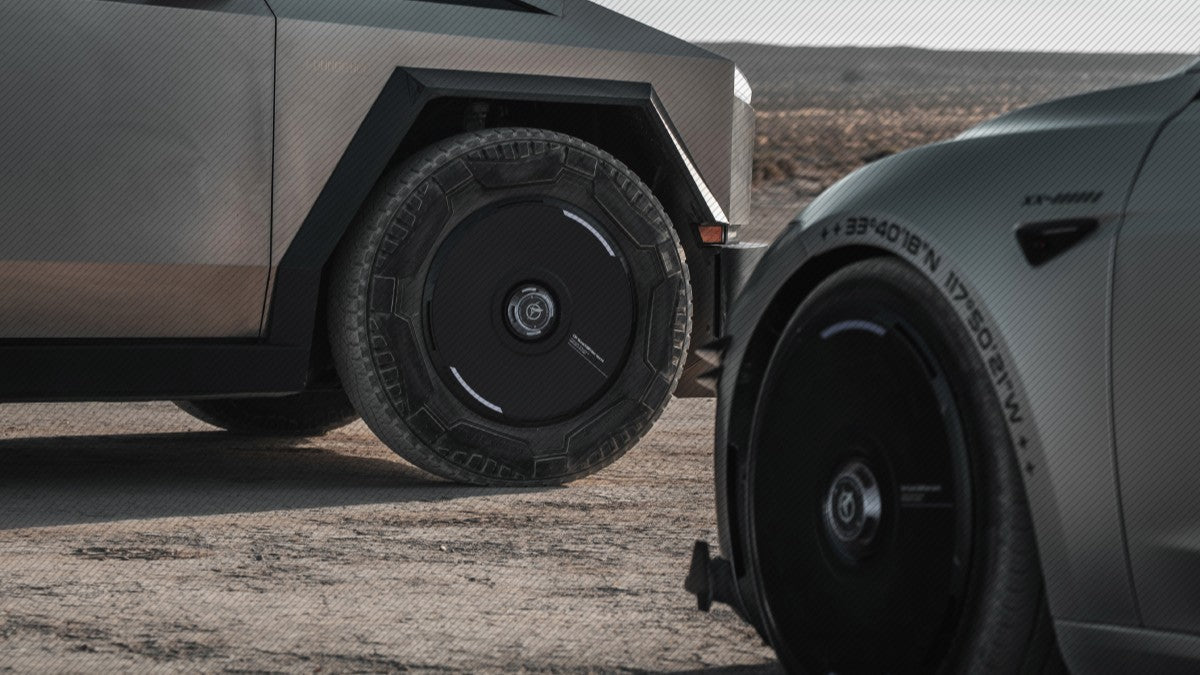
Take the wheel covers off a Tesla and the car can look surprisingly different. The exposed alloy wheels feel sportier, the spokes stand out more, and with a clean center cap and lug nut covers, the whole setup can look more performance-focused.
That is why plenty of Tesla owners remove their stock covers almost immediately.
But once you start driving longer distances, spending more time at highway speeds, or dealing with curb rash and road debris, the question becomes more practical:
What is the real difference between Tesla wheel covers vs bare wheels?
The answer comes down to four things: aerodynamics, efficiency, protection, and style.
Wheel Covers Have the Aerodynamic Advantage
A bare wheel is not especially smooth from an airflow perspective.
The spokes, lug nuts, center area, and open spaces around the wheel all interact with moving air. At higher speeds, this creates turbulence and increases drag.
Aero wheel covers help by creating a flatter, smoother surface across the wheel. This can improve aerodynamics and reduce some of the wind resistance around the rotating wheels.
That does not mean wheel covers suddenly transform a Tesla's range, but the efficiency difference is measurable under the right conditions.
Some Tesla-related test data and owner testing have reported efficiency gains in the range of roughly 3–5% under certain driving conditions, with figures around 3.4% also commonly discussed.
The exact result depends on speed, tires, temperature, wind, road conditions, and driving style.
The main point is simple: aero covers usually matter more at highway speeds than during city driving.
Highway Driving Is Where the Difference Becomes More Noticeable
At lower speeds, aerodynamic drag plays a smaller role in energy consumption.
If you are driving around town, sitting in traffic, making short trips, or constantly accelerating and slowing down, removing the covers may not create a dramatic difference.
At highway speeds, the story changes.
The faster a vehicle moves, the harder it has to push through the air. A smoother wheel surface can help reduce drag, allowing the car to move through the air more efficiently.
Over long trips, that can translate into slightly lower energy consumption and potentially several miles of extra range.
For a driver doing regular long road trips, that extra efficiency may be useful. For someone driving mostly around the city, it may be much less important.
Bare Wheels Still Have One Big Advantage: Style
There is a reason so many owners prefer bare rims.
The exposed alloy wheels can give a Tesla Model 3 a more sporty look. Instead of the smooth surface of factory aero covers, you see the actual wheel design underneath.
For some owners, that appearance matters more than a small efficiency gain.
A clean set of center caps and lug nut covers can make the original wheels look more finished and more premium without replacing them.
So if style is your priority, driving with bare wheels can make perfect sense.
The trade-off is that the original wheels are now fully exposed.
Wheel Protection Is Easy to Overlook
Bare wheels face normal wear every day.
Road debris, scratches, brake dust, road grime, and curb contact all reach the original wheel directly.
Curb rash is probably the biggest concern.
A small parking mistake can leave a visible mark on an otherwise clean alloy rim. Repairing or refinishing a damaged wheel can also cost considerably more than replacing a damaged wheel cover.
Full-coverage Tesla wheel covers create another layer between the original wheel and everyday driving conditions.
They are not designed to prevent serious impact damage, but they can help shield the wheel from minor scratches, road debris, and cosmetic wear.
For drivers who park in tight spaces, use parking garages, or drive in cities regularly, that protection can be just as valuable as the aerodynamic benefit.
Why Some Tesla Owners Switch Between Both Setups
The choice does not have to be permanent.
Some owners keep aero wheel covers installed for highway travel and long road trips, then remove them for local driving when they want the sportier appearance of bare wheels.
Because many covers are easily removed, switching between the two setups is possible without changing tires or replacing the wheels.
This gives drivers a simple compromise:
Use the covers when efficiency matters.
Take them off when appearance matters more.
The only downside is that regular removal and installation means you should keep an eye on clips, mounting points, and overall fit.
Aftermarket Covers Create a Third Option
Factory aero covers and bare wheels are not your only choices.
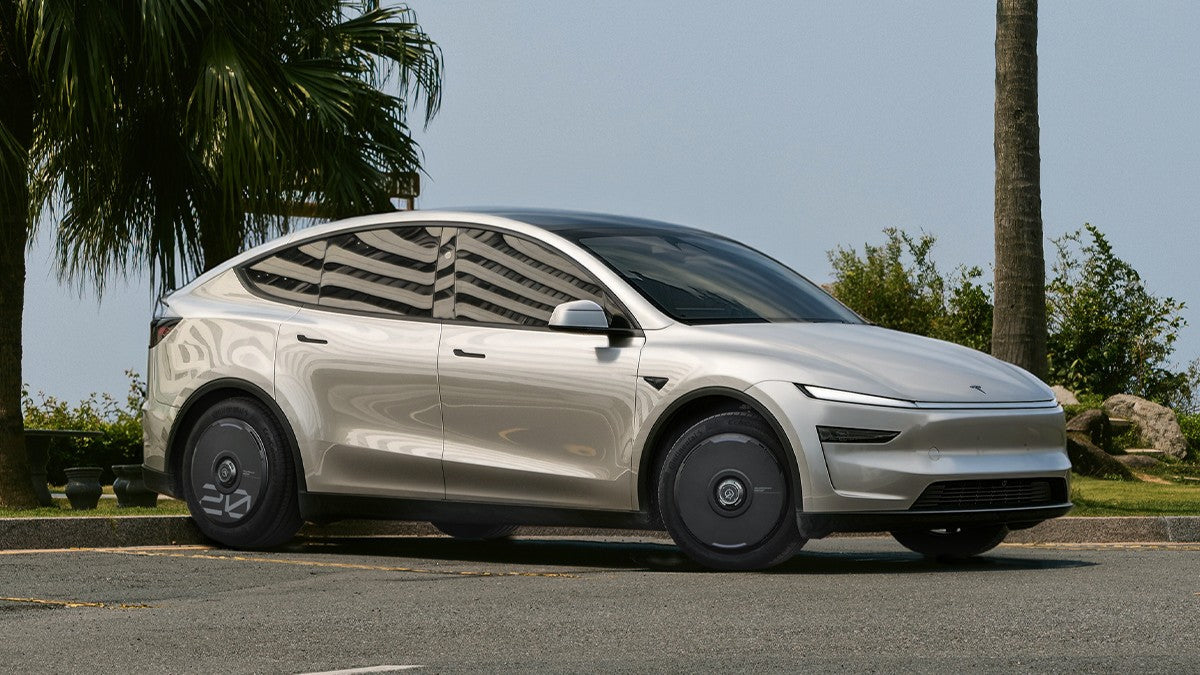
Modern aftermarket covers can combine aerodynamic design with a more customized appearance.
This is where HALOBLK's HALODISC 2 wheel covers fit naturally into the decision.
Instead of simply copying the look of stock covers, HALOBLK offers styles such as RTP, Cyber Track, Charging, Supercharger, Arrow, and Custom Number designs.
The idea is simple: keep the original wheels and tires, but change the part of the wheel people actually see.
A well-fitted aftermarket cover can provide:
- More wheel coverage
- Aero-inspired design
- A sportier or more premium appearance
- Protection from normal wear
- A lower-cost alternative to replacing the wheels
For drivers who like the efficiency logic of aero covers but do not love the factory look, this can be a practical middle ground.
Which Setup Makes More Sense?
If you drive mostly on highways, take frequent road trips, or care about maximizing efficiency, keeping wheel covers installed generally makes sense.
If you mainly drive locally and prefer the appearance of exposed alloy wheels, bare wheels may suit you better.
If you want more protection and a distinctive style without replacing the original wheels, aftermarket covers can offer the best balance.
That is really the biggest difference between Tesla wheel covers vs bare wheels.
It is not just about range.
It is about how you use your car.
Bare wheels give you a sporty, mechanical appearance. Aero wheel covers offer smoother airflow and improved efficiency potential. Full-coverage aftermarket designs add more protection and personalization to the mix.
And sometimes, replacing the wheels is unnecessary.
Before spending money on a completely new wheel setup, try changing the part you actually see first.
Explore HALOBLK HALODISC 2 styles for your Tesla, check the fitment for your exact wheel setup, and see how one simple switch can change the entire look of the car.

Leave a comment
All comments are moderated before being published.
This site is protected by hCaptcha and the hCaptcha Privacy Policy and Terms of Service apply.