
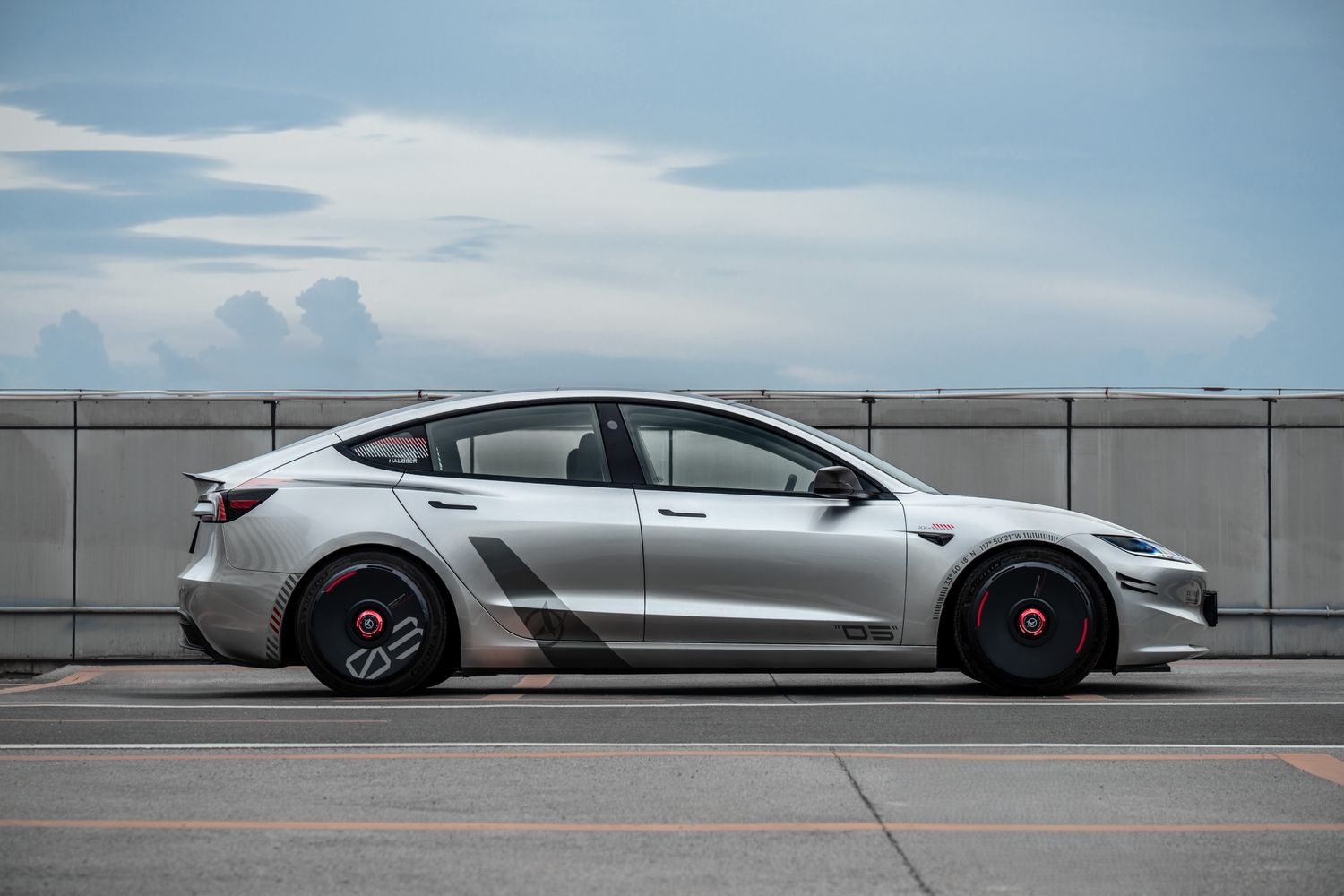
Concerns about Tesla Model 3 wheel covers safety usually start with the same story: a cover partially popping at high speeds, a strange noise from the wheel rim area, or a photo of a missing cover after a highway trip. Some Tesla owners wonder if aero covers, hubcaps, or other Tesla wheel covers are actually safe, or if they put the vehicle, range, or wheels at risk. This article breaks down the real root cause behind failures, how covers are engineered, and what you need to pay attention to when installing and maintaining them.
Why Tesla Model 3 Wheel Covers Raise Safety Questions
Model 3 wheel covers and aero wheels exist to offer protection and improve aerodynamics. They cover the entire wheel surface, shield the wheel rim from curb rash, and smooth airflow around the tires to support better efficiency and highway range. However, safety doubts usually come from real incidents:
- a cover suddenly popping or being lost on the highway
- owners hearing a new noise from the center area of the wheel
- visible scratches or a gap between the rim and cover after parking
- posts and comments describing cracked clips or damaged caps
From the outside, it can look like the cover itself is unsafe. In reality, most problems come down to installation, clip condition, or misalignment rather than a fundamental flaw in how Tesla wheel covers are engineered.
How Tesla Wheel Covers Are Engineered to Stay Secure
A properly designed Tesla model 3 wheel cover is engineered to sit securely on the wheel and stay in place under real driving conditions. Key design elements include:
- a center ring that locks around the hub
- multiple clips that grip the rim evenly
- enough clearance around the lug nut area
- a shape that covers the wheel rim while clearing the tire sidewall
When all of these are aligned correctly, the cover forms a stable, balanced structure around the wheel. The plastic or composite material is selected for durability, flexibility, and impact resistance, so it can deform slightly under stress without cracking.
The goal is simple: at high speeds, during lane changes, or under crosswinds, the cover should stay secure, not shift, not bend away from the rim, and not compromise braking or steering.
The Real Root Cause Behind Popping and Lost Covers
Most failure stories share the same pattern: something was wrong before the moment the cover was “suddenly” lost. If you follow those posts carefully, there is always a root cause:
- a clip already bent, cracked, or missing
- a gap near the rim edge after installation that nobody fixed
- the center ring not fully seated on the hub
- a curb hit that changed the cover’s shape
- pulling the cover off in the wrong way and weakening a clip
When installation is incomplete, or when a damaged clip is reused, the cover is no longer able to maintain full contact with the rim. At that point, high-speed airflow, road vibration, or a sharp bump can finish the job and make the cover pop or fly off.
From the owner’s perspective, it looks like it “suddenly happened.” In engineering terms, the root cause started earlier: the cover was not supposed to be installed with a gap, uneven clip engagement, or a bent cap in the first place.
Installation: The Essential Step for Safety
Correct installation is the single most essential factor in Tesla Model 3 wheel covers safety. A cover that is simply pushed on in a hurry at a tire shop or driveway can look okay but still be unsafe if the clips are not fully engaged.
A safe installation should follow this logic:
-
Inspect the cover first
Check all clips for signs of being cracked, bent, or damaged. If any clip looks wrong, do not install. Replace the cover instead of guessing and hoping for luck.
-
Align the center ring
Place the cover so the center lines up with the hub. The center ring must sit evenly; if the center is slightly off, the whole cover will sit crooked.
-
Check lug nut and tire clearance
Make sure the design does not press into the lug nut area or rub against the tire. Rubbing marks after just a week of driving are a clear sign something is wrong.
-
Press around the entire wheel
Do not just push the middle. Walk your hands around the cover, pressing firmly along the edge until you hear each clip snap over the rim. You should feel a progressive lock, not a soft, uncertain connection.
-
Look for gaps
After installation, visually inspect the cover and note any visible gap between the rim and cover. If you notice a gap, that area must be pressed again or the cover removed and reinstalled.
-
Pull test
Gently pull on different points around the cover. A secure installation will resist pulling with even force. If one side feels loose, that side is not fully seated.
If a tire shop installs the covers, you still pay for the result. It is worth taking a moment to double-check the work before you leave the shop.
Common Problems and What Actually Happened
When owners post about safety issues, the language is often emotional: “suddenly lost a cover,” “no idea what happened,” “guess the clips are weak,” “cover popped on the highway,” and so on. If you pick apart these reactions, you see the same root patterns:
-
Partially popping at high speeds
Usually a combination of one clip not fully engaged and aerodynamic force lifting that area over time.
-
Cover lost on the highway
Often happens after a previous impact with a curb or a parking scrape that quietly bent clips or the rim protector edge.
-
Cover rattling or making noise
A small gap between rim and cover where the clips were not pressed fully into position.
-
Scratches on the wheel rim after using covers
The cover shape or clip position shifted because one area was not seated correctly, causing rubbing against the rim.
-
Difficulty when trying to reinstall
A clip was bent during removal or the cover was pulled off by grabbing only one side, twisting the form.
In each case, what looks like a design failure is, in fact, an installation, maintenance, or inspection failure.
How Wheel Covers Affect Aerodynamics and Range
From a safety perspective, owners also worry whether covers affect aerodynamics and range in a negative way. For Model 3, properly designed aero covers and aero wheels are intended to reduce drag, not increase it.
When the wheel surface is smoothed and the entire wheel is covered, air flows more cleanly around the car. This can provide small but real efficiency gains, especially at highway speed where air resistance dominates energy consumption. A well-installed aero cover:
- supports range rather than hurting it
- maintains stable airflow around the wheel well
- does not block brake cooling in normal driving
- does not interfere with steering or driving behavior
Problems only show up when a cover is misaligned, loose, or vibrating. In that case, both aerodynamics and comfort are affected, and you might hear noises that were not present before.
Protection vs Cosmetic Purposes
Some owners treat covers as purely for cosmetic purposes, but on Tesla model 3 they also have a real protection role. A cover can:
- protect the rim from small curb contacts
- act as a rim protector against light scrapes
- reduce visible scratches on the wheel
- take the damage instead of the expensive alloy beneath
When a cover is damaged, cracked, or deeply scraped, you simply replace that piece. The cost is usually far lower than repairing or refinishing the exposed wheel rim itself.
When You Must Replace a Wheel Cover
Continuing to drive with an obviously damaged cover is unsafe. Replace the cover if you notice:
- cracked or missing clips
- a section of the rim protector bent out of shape
- a persistent gap that cannot be fixed after reinstall
- any part of the cover that rubs on the tire or wheel
- a cover that repeatedly pops after being reinstalled
If you see these symptoms, that cover is no longer able to maintain a secure fit. The safest solution is to stop using it and install a new one rather than waiting to see what happens at speed.
Are Tesla Model 3 Wheel Covers Safe Overall?
If we put all the reactions, comments, tire shop stories, and real incidents into one picture, the conclusion is clear: properly engineered, correctly installed Tesla Model 3 wheel covers are safe. They are supposed to:
- sit aligned on the center ring
- engage clips evenly around the wheel
- offer protection for the wheel rim and tire edge
- maintain stability at high speeds and during highway driving
- support aerodynamics and help maintain range
Safety issues appear when installation is rushed, clips are reused after being bent, or warnings such as noise and gaps are ignored. If you pay attention at installation, respond to early signs (noise, gaps, movement), and do not continue driving with a clearly damaged cover, you dramatically reduce the risk of anything going wrong.
In short, tesla model 3 wheel covers safety is not about luck. It is about engineering plus correct handling. For Tesla owners who follow installation best practices and replace compromised covers instead of waiting, wheel covers remain a safe, practical way to protect rims, control costs, and gain aerodynamic benefits without sacrificing confidence on the road.


Leave a comment
All comments are moderated before being published.
This site is protected by hCaptcha and the hCaptcha Privacy Policy and Terms of Service apply.