
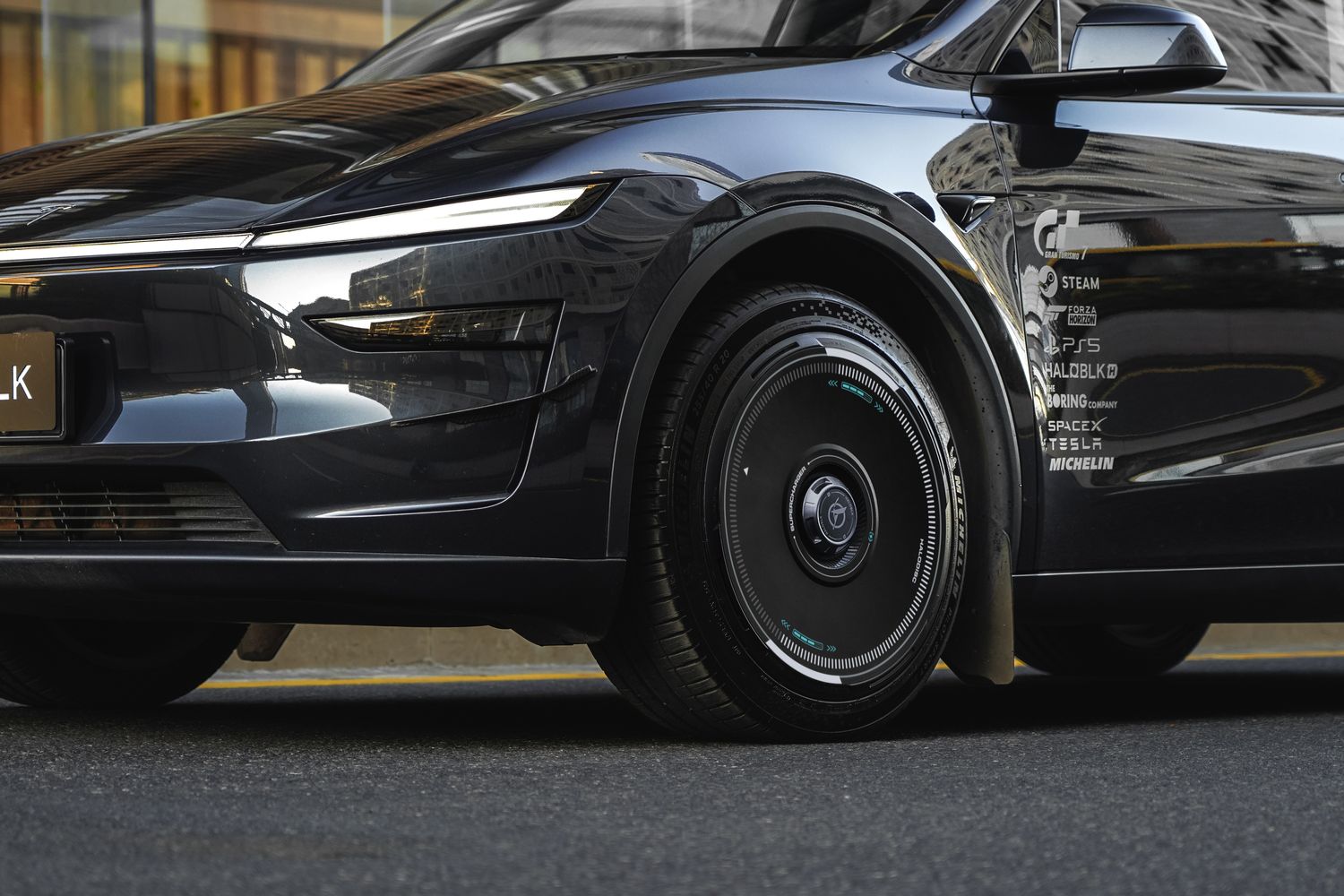
If you search online, you’ll find no shortage of opinions on Tesla wheel covers. Some Tesla owners swear by them for efficiency and protection, while others remove them the day they take delivery. So the real question remains: are Tesla wheel covers worth it, or are they just another accessory that looks good on paper but makes little difference in daily driving?
This article takes a practical, experience-based approach. Instead of focusing on marketing claims, we’ll examine how wheel covers actually affect efficiency, protection, appearance, and long-term ownership costs across different driving scenarios.
What Tesla Wheel Covers Are Designed to Do
Tesla wheel covers, often referred to as aero wheel covers or aero caps, are primarily designed to improve aerodynamics. By smoothing airflow over the vehicle’s wheels, they reduce wind resistance, which in theory leads to lower energy consumption and extra range.
From the factory, Tesla equips several models with stock covers, especially on efficiency-focused trims. These covers sit over the vehicle’s wheels, covering the lug nuts, center cap, and parts of the rim face. Some owners also add lug nut covers or hub caps for a more finished look when covers are removed.
The idea is simple: less turbulence around the vehicle’s wheels equals better efficiency, particularly at highway speeds.
Aero Efficiency and Real-World Results
This is where most debates around “are Tesla wheel covers worth it” begin.
At high speeds and during long trips, aero wheel covers do provide measurable benefits. Multiple independent tests and Tesla owner reports suggest that aero covers can deliver extra efficiency, especially during long road trips and highway driving where wind resistance plays a larger role.
That said, the gains are incremental rather than dramatic. In real-world conditions, the difference often translates to a modest increase in range, not a transformational jump. For city driving, where speeds are lower and stop-and-go traffic dominates, the efficiency difference is minimal.
In practical terms, wheel covers matter most at highway speeds and during long trips, while their impact in city driving is limited.
Stock Covers vs Aftermarket Covers
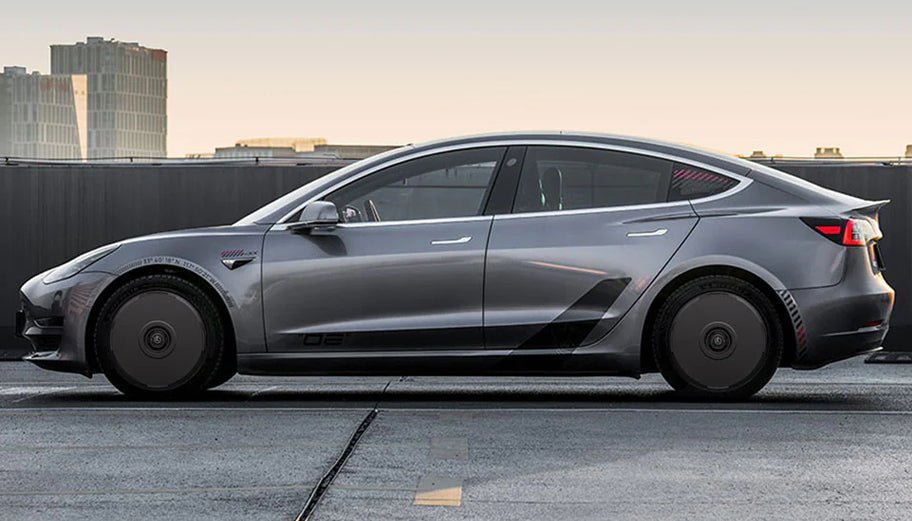
Tesla owners today are not limited to factory options. Aftermarket covers have become increasingly popular, offering variations in sporty style, finish, and rim coverage.
Stock covers prioritize efficiency and cost effectiveness. They are lightweight, functional, and optimized for aerodynamics, but many owners dislike their appearance. Aftermarket covers, by contrast, often aim to combine aesthetic appeal with aerodynamic performance.
Some aftermarket covers are designed to mimic aero wheels or performance rims, while others extend coverage to the wheel edge to reduce curb rash. Choosing between stock covers and aftermarket covers usually depends on whether the owner values efficiency, appearance, or protection most.
Protection Against Curb Rash and Normal Wear
One of the most underrated benefits of wheel covers is protection. Tesla wheels, especially larger rims, are vulnerable to curb rash during city driving, parking, and winter conditions.
Wheel covers act as a sacrificial layer. When installed correctly, they absorb minor edge impacts and scrapes that would otherwise damage the rims themselves. Replacing a cover is significantly cheaper than repairing or refinishing a wheel, making covers a cost-effective form of insurance.
They also help shield wheels from brake dust, road grime, and debris, reducing cleaning frequency and long-term cosmetic wear.
Appearance and Owner Preference
Appearance is where opinions on wheel covers diverge sharply.
Some Tesla owners appreciate the clean, minimalist look of factory aero covers, while others feel they hide the character of the vehicle’s wheels. This is why many drivers remove them immediately and replace them with center caps, lug nut covers, or hubcaps that expose the wheel face.
Aftermarket covers partially bridge this gap by offering more aggressive or premium designs. Still, aesthetic preference is subjective. Some drivers love the smooth aero look, while others strongly dislike it.
Noise, Ride Quality, and Driving Feel
A common concern is whether wheel covers affect noise or ride quality. In normal driving, properly installed covers make little to no difference in steering response or ride comfort.
At highway speeds, some drivers report slightly reduced wind noise due to smoother airflow, while others notice no audible change. Any noise issues are typically caused by poor installation or low-quality aftermarket kits rather than wheel covers themselves.
When installed correctly, wheel covers are largely a low-maintenance accessory.
Seasonal Use and Driving Conditions
Wheel covers tend to provide more value during winter. Snow, road salt, and debris can accelerate wear on exposed wheels and lug nuts. Covers help protect rims during harsh conditions and reduce cosmetic damage.
In summer, particularly for drivers who value appearance or sporty style, removing wheel covers is common. Many owners take a seasonal approach, using covers in winter for protection and efficiency, then switching to exposed wheels in warmer months.
Cost, Value, and Long-Term Ownership
From a cost perspective, wheel covers are one of the most affordable Tesla accessories. Compared to wheels or tires, they represent a small investment.
When deciding whether wheel covers are worth keeping, consider the replacement cost of damaged rims, the efficiency gains over long trips, the added protection during daily driving, and the reduced worry when parking or navigating tight curbs.
For many Tesla owners, these small benefits add up over time.
Final Verdict: Are Tesla Wheel Covers Worth It?
The answer depends on how you use your vehicle.
If you prioritize efficiency, long road trips, and cost control, wheel covers are worth keeping. If appearance matters more than marginal efficiency gains, removing them may bring greater satisfaction.
For most Tesla owners, wheel covers are not essential upgrades, but they are far from pointless. They offer a quiet combination of aerodynamic efficiency, rim protection, and cost effectiveness that improves ownership over time.
In short, Tesla wheel covers are worth it not because they dramatically change the car, but because they reduce wear, protect investment value, and provide efficiency gains that matter in the long run.
Ready to Upgrade Your Tesla?
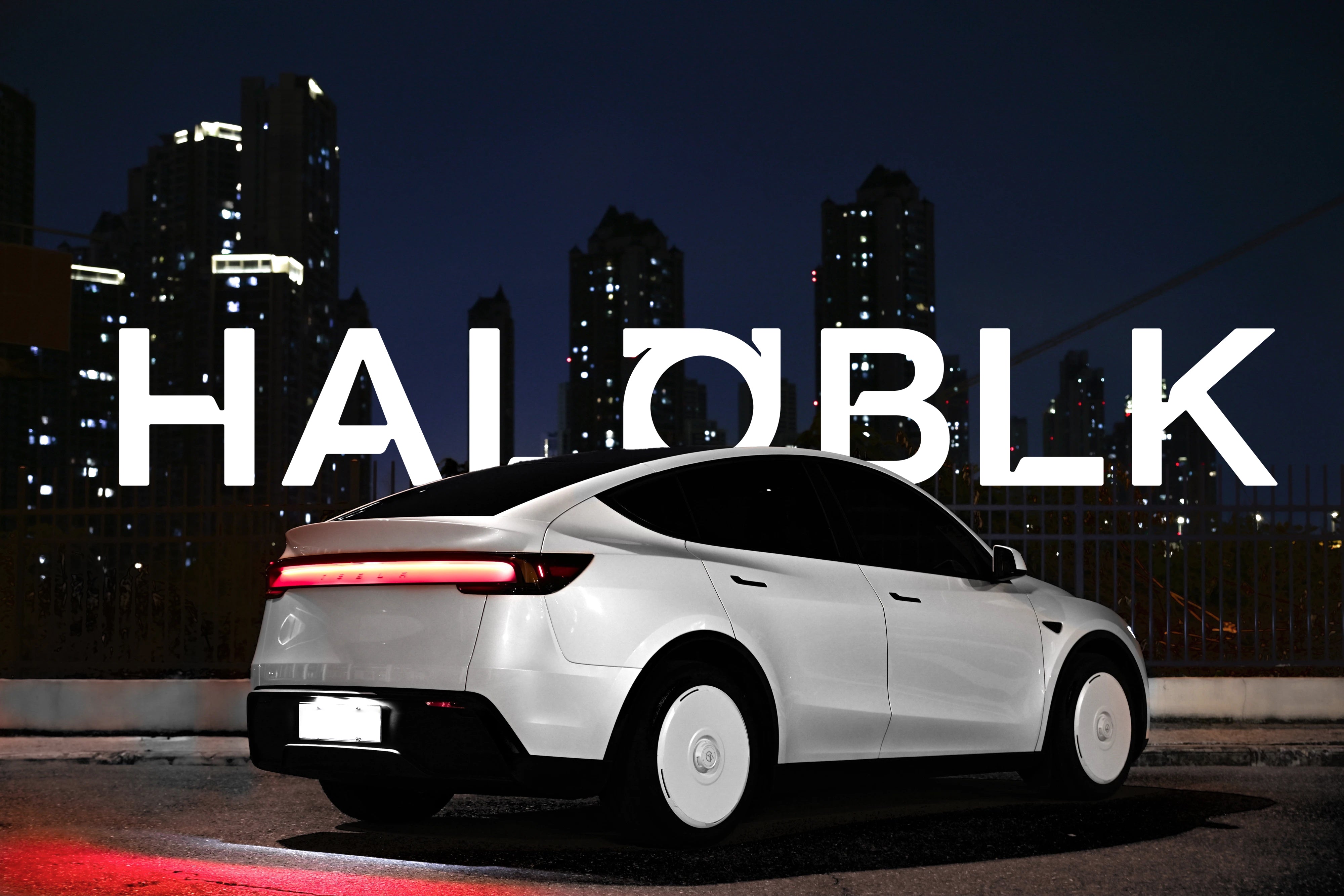
Interested in giving your Tesla a cleaner, more distinctive look? Explore HALOBLK wheel covers designed for Tesla owners who value style, wheel protection, and easy installation.
Find the right design and size for your Tesla in our full collection.

Featured Tesla Upgrade
HALODISC 2 RTP – Black
From $219 $229
Give your Tesla a cleaner, more distinctive side profile while helping protect the original wheels from everyday curb rash and scratches. Select your Tesla model and wheel size below.
- ✓ Secure center-lock installation
- ✓ Full-rim curb rash protection
- ✓ Set of four wheel covers
- ✓ Fast US shipping on eligible fitments
Not compatible with the 2026 Model 3 Standard 18-inch Prismata, 2026 Model Y Juniper Standard 18-inch Aperture, or 2026 Model Y Juniper 21-inch Arachnid 2.0 wheels.

Leave a comment
All comments are moderated before being published.
This site is protected by hCaptcha and the hCaptcha Privacy Policy and Terms of Service apply.