

Tesla Model 3 Hubcaps vs New Wheels: Which Upgrade Makes More Sense?
If you want to change the look of your Tesla Model 3, two upgrades usually come to mind: install a new set of hubcaps or replace the factory wheels completely.
Both can transform the car, but the cost, installation, protection, efficiency, and long-term ownership experience are very different.
So when comparing Tesla Model 3 hubcaps vs new wheels, which upgrade actually makes more sense?
Short answer:
For most Tesla owners who want a visual upgrade, extra rim protection, and better value, wheel covers are the easier middle ground. New wheels make more sense when performance, wheel weight, brake cooling, or a completely different wheel setup is the priority.
Here is how the two options compare.
Tesla Model 3 Hubcaps vs New Wheels: Quick Comparison
|
Feature |
Hubcaps / Wheel Covers |
New Wheels |
|---|---|---|
|
Cost |
Usually much lower |
Often $1,000–$3,500+ |
|
Installation |
Easy DIY |
Professional installation often needed |
|
Style change |
Significant |
Complete transformation |
|
Rim protection |
Helps protect factory rims |
New rims remain exposed |
|
Aerodynamics |
Aero designs can reduce drag |
Depends heavily on wheel design |
|
Range impact |
Can improve efficiency |
May reduce range |
|
Maintenance |
Requires periodic cleaning |
Normal wheel care |
|
Best for |
Style, protection, value |
Performance and major customization |
Why Hubcaps Make Sense for Many Model 3 Owners
Modern hub caps are much more than small decorative pieces.
Full-size Tesla wheel covers cover most of the wheel face while leaving the original wheels installed underneath.
That means you can change your car's style without replacing the wheel, tire, or factory setup.
Good full-coverage covers can also help protect against:
- curb rash
- light scratches
- road debris
- road grime
- brake dust
- minor parking contact
For a daily-driven Model 3, that protection can be useful.
The factory Tesla rims stay underneath in better condition, while the cover takes more of the everyday wear.
Hubcaps Are Much Cheaper Than New Wheels
Cost is one of the biggest differences.
A basic aftermarket set of hubcaps may cost around $100 to $200, although premium or custom-designed options can cost more.
High-quality aftermarket wheels, on the other hand, commonly cost around $1,000 to $3,500 or more for a complete set.
And that may not include:
- tires
- installation
- balancing
- TPMS components
- alignment
- shipping
So if the main goal is simply to change the vehicle's appearance, replacing all four wheels can be an expensive job.
A set of aftermarket wheel covers can create a dramatically different look for much less.
Aero Covers Can Help Maintain Tesla Efficiency
Another advantage of aero wheel covers is aerodynamic efficiency.
At speed, exposed wheel spokes disturb the air flowing around the car. A smoother, more closed aerodynamic design can help reduce drag and wind resistance.
Under favorable driving conditions, Tesla-style aero covers may improve efficiency by roughly 3% to 5%.
Some testing has reported reductions in energy consumption of around:
- 3.1% at 50 mph
- 2.5% at 70 mph
- 4.5% at 90 mph
Actual results will vary with speed, wind, tires, temperature, wheel design, and other driving conditions.
The main point is simple: aerodynamic wheel design becomes more important at high speeds.
For drivers focused on battery efficiency and range, full aero covers can offer an advantage over more open wheel designs.
Can Aero Hubcaps Add Range?
Potentially.
Reduced aerodynamic drag can translate into additional driving range, particularly during highway driving.
Depending on the car and conditions, an efficiency improvement of a few percent may represent roughly 10–15 miles of extra range on a full charge.
That should not be treated as guaranteed.
But for electric vehicles, even modest aerodynamic improvements can be valuable over the long run.
What Do New Wheels Do Better?
New wheels have advantages that hubcaps cannot fully match.
A lightweight aftermarket wheel can improve handling response and reduce unsprung weight.
More open wheel designs may also allow better heat dissipation around the brakes, which can matter for aggressive driving or repeated heavy braking.
New wheels also offer more freedom in:
- diameter
- width
- offset
- finish
- spoke design
- performance setup
If your goal is true performance tuning rather than primarily appearance, new wheels may make more sense.
But New Wheels Can Affect Range
The downside is efficiency.
A new wheel that is heavier, wider, or less aerodynamic than the factory setup may increase aerodynamic drag and rolling resistance.
That can reduce range.
Switching from aerodynamic hubcaps to open aftermarket wheels may result in a small efficiency loss, especially during highway driving.
This is why the best-looking wheel is not always the most efficient wheel.
Tesla owners who drive long distances should consider aerodynamics, weight, and tire choice—not just appearance.
Which Option Protects the Rim Better?
Full-size wheel covers have another practical advantage: protection.
A quality cover can extend close to the rim edge, adding a physical barrier around the factory wheel.
That can help protect against scuffs and scratches during parking.
Center caps, by comparison, only cover the center portion of the wheel and provide very little protection for the outer rim.
New wheels offer no built-in protection either.
If you scrape a new $2,000 wheel set against a curb, the new rim itself takes the damage.
For city driving, that difference matters.
What About Durability and Cleaning?
Hubcaps are typically made from plastic or durable materials such as PC-ABS.
They are lightweight and easy to replace, but they can eventually suffer from:
- scratches
- fading
- cracking
- curb damage
Full covers also require regular cleaning.
Brake dust, dirt, and moisture can collect underneath, so occasional removal helps keep the factory wheel in good condition.
A properly installed cover with a seamless fit should stay secure while driving.
New wheels require normal wheel maintenance but do not have another layer covering the wheel surface.
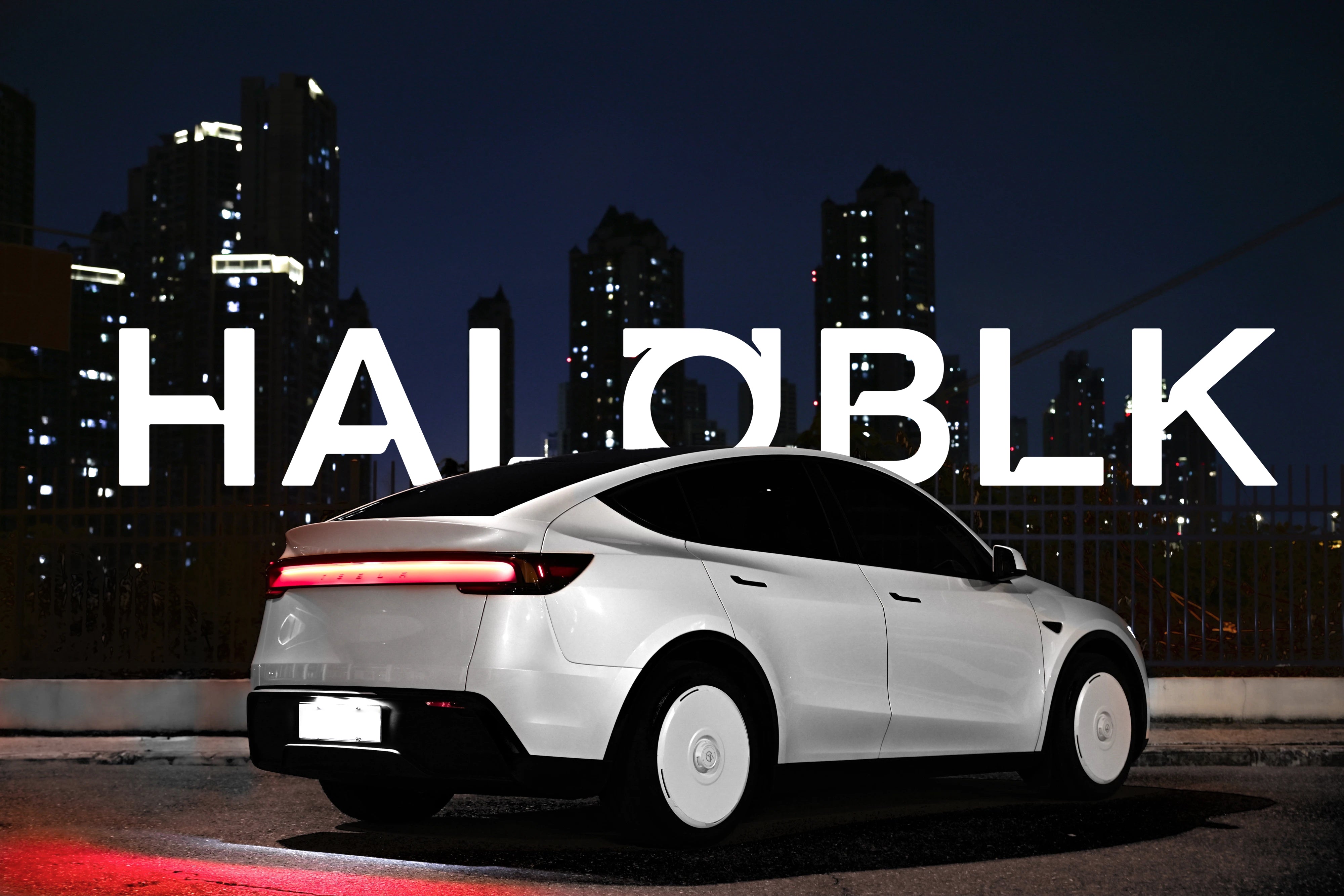
HALOBLK: A Middle Ground Between Stock Covers and New Wheels
For Tesla owners who want something more distinctive without replacing the factory wheels, HALOBLK HALODISC 2 provides another option.
The idea is simple:
keep the original wheels underneath, but completely change what people see.
HALOBLK designs offer full coverage around much of the wheel face, helping combine:
- rim protection
- aerodynamic design
- easy installation
- modern aesthetics
- multiple styles
- a more premium or sporty appearance
Styles such as RTP can give a Model 3 a more performance-inspired look, while other HALODISC 2 designs offer a cleaner or more personalized exterior.
That makes them a practical alternative for owners who think the stock covers look too ordinary but do not want the cost of a full wheel replacement.
So, Hubcaps or New Wheels?
Choose hubcaps or wheel covers if you want:
- a cheaper upgrade
- better rim protection
- easy installation
- aerodynamic efficiency
- quick style changes
- to keep your factory wheels
Choose new wheels if you want:
- performance-focused changes
- different wheel size or width
- lighter-weight construction
- improved brake cooling
- complete wheel customization
For most daily-driven Model 3s, full wheel covers offer the better balance of cost, protection, style, and efficiency.
And the best part?
You can always switch designs later without replacing the wheels again.
If you want your Model 3 to look different while keeping the factory rims protected underneath, explore the HALOBLK HALODISC 2 lineup and choose a design that fits your car's style.
New wheels can change your Tesla. The right wheel covers can do it without changing the wheels at all.

Leave a comment
All comments are moderated before being published.
This site is protected by hCaptcha and the hCaptcha Privacy Policy and Terms of Service apply.