
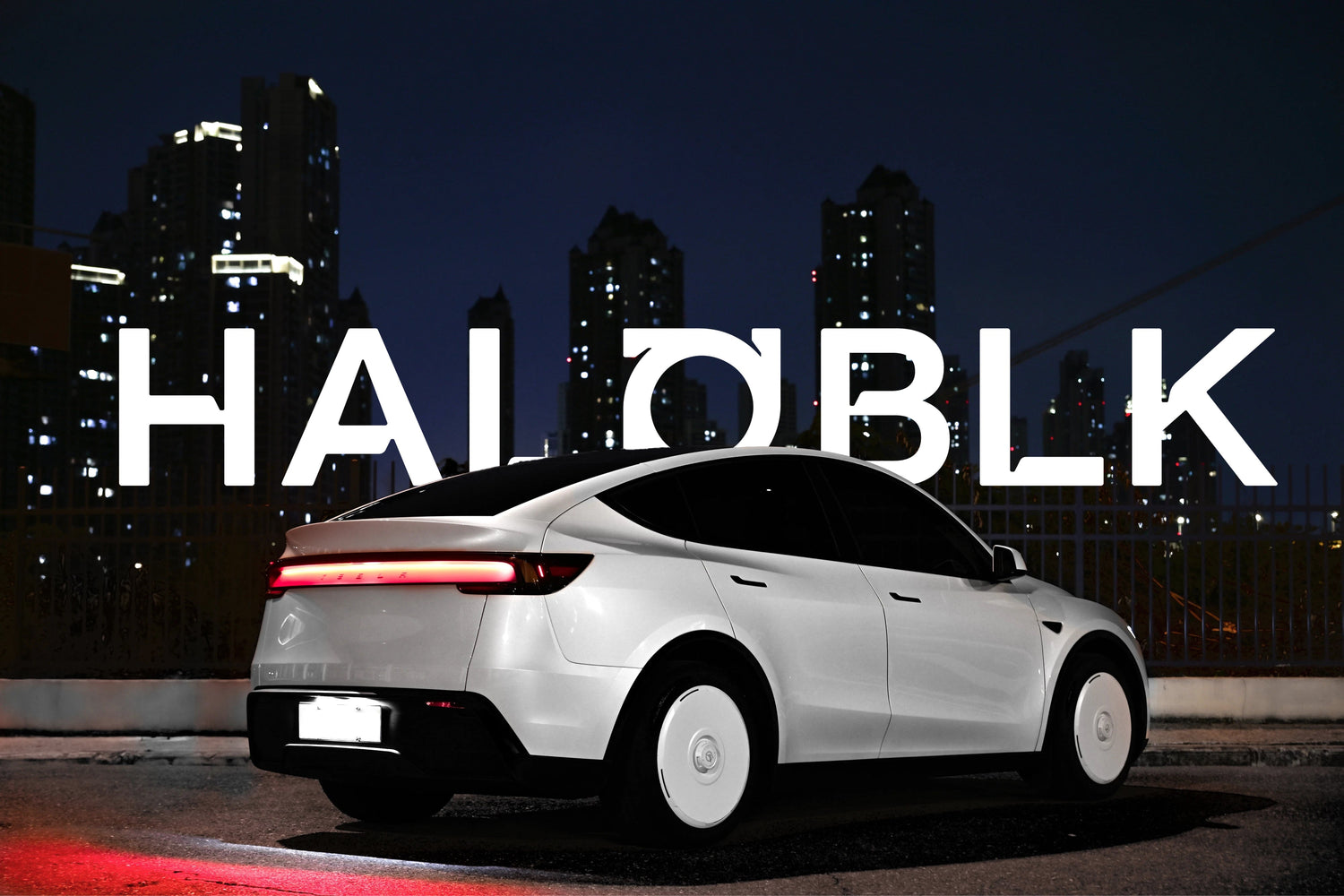
Do Tesla wheel covers improve highway range? Controlled testing suggests that they can. At steady highway speeds, properly designed aero wheel covers may improve efficiency by roughly 2% to 4%. Some testing has recorded an average improvement near 3.4%, with the difference increasing to about 4.5% at very high speed.
For a Tesla driver, that result may mean approximately 7 to 10 extra miles on a longer highway trip. It is not a huge increase, and most owners will not notice a big difference on every drive. However, when the next charging stop is still some distance away, even a small range improvement can be useful.
The important point is context. Aero covers provide their greatest benefit during steady highway driving. During low-speed city driving or short trips across town, their impact is much smaller.
Why Aero Wheel Covers Can Improve Range
A rotating wheel does more than hold a tire. Its spokes interact with air coming around the front and side of the vehicle. Open spokes interrupt smooth airflow and create turbulence around the wheels, tires, and wheel arches.
That turbulence increases aerodynamic drag. Since drag rises quickly at higher speeds, wheel aerodynamics become more important as the car travels faster.
Aero wheel covers create a flatter outer surface over the original wheels. Instead of allowing air to move repeatedly through the spokes, the covers guide more airflow around the wheel. That smoother path can make the vehicle slightly more efficient.
The efficiency increase is small because wheels are only one part of the car’s overall aerodynamics. Body shape, ride height, tires, weather, wind, road surface, and driving behavior also affect the final result. Still, well-designed aero caps can make a measurable difference during longer highway driving.
What Highway Testing Tells Us
Testing Tesla wheel covers requires more than completing one drive with the covers installed and another drive after removing them. Traffic, outside temp, wind, battery condition, tire pressure, and elevation can all change energy consumption.
Reliable testing should use:
- The same Tesla model and battery level
- The same wheels and tires
- The same route
- Similar weather and outside temp
- Consistent tire pressure
- A steady speed
- Repeated runs in both directions
- Covers installed for one set and removed for another set
In one frequently mentioned Model 3 test, the car used less energy with its aero wheel covers installed. The average difference across several highway speeds was approximately 3.4%.
At around 50 mph, the covers improved efficiency by slightly more than 3%. At 70 mph, the difference was closer to 2.5%. At 90 mph, aero covers produced an improvement of roughly 4.5%.
The testing shows two useful things. Tesla wheel covers can improve range, and the aerodynamic benefit often becomes more noticeable at higher speeds. However, driving faster still increases total consumption dramatically. Aero caps cannot make a 90-mph drive more efficient than a 65-mph drive.
Can Tesla Wheel Covers Add 10 Miles of Range?
They can under certain conditions, but 10 miles should not be treated as a guaranteed result.
A 2% to 4% range increase can add several miles to a long highway run. Depending on the vehicle, usable battery capacity, tires, weather, and average speed, owners may see a real-world difference of roughly 7 to 15 miles per full charge.
That range is an estimate rather than a promise. A driver who regularly completes long interstate trips may notice more benefit than someone who mainly drives around town. Cold weather, rain, headwinds, heavy cargo, and aggressive acceleration can easily have a greater impact than the covers.
This means Tesla wheel coversshould be viewed as a small efficiency upgrade, not a major battery replacement or performance modification.
Do Covers Make Much Difference in City Driving?
During city driving, probably not.
At lower speed, aerodynamic drag has less impact on the vehicle. Traffic lights, repeated acceleration, braking, road grades, climate control, and stop-and-go conditions influence efficiency more than aero wheel covers.
A short town trip may show no clear difference at all. The result may even change from one run to the next because of traffic or battery temp.
Owners who spend most of their time in city driving may still choose wheel covers for style and rim protection. Owners who frequently complete longer highway trips have a stronger efficiency reason to keep them installed.
Original Covers Versus Aftermarket Covers
Original covers are designed around specific Tesla wheels. For example, the Model 3 has been offered with 18-inch Aero wheels, while Model Y configurations have used factory covers designed for compatible 19-inch wheels.
Aftermarket covers can offer a different look, more rim coverage, or a more distinctive aerodynamic design. However, not every set fits every Tesla model or wheel style.
Before you buy aftermarket covers, confirm:
- Tesla model and production year
- Wheel diameter
- Original wheel design
- Center cap configuration
- Lug nut covers or exposed lug nuts
- Tire valve access
- Clip placement
- Whether the covers are designed as direct replacement covers
A center cap made for one wheel may not fit another wheel. Lug nut covers can also differ by wheel design. If the clips do not match the original wheels, the covers may not hold securely.
Correct fitment matters more than appearance. A high-quality set should install firmly, remain stable at highway speeds, and allow easy access to the tire valve.
What Else Do Tesla Wheel Covers Do?
Range is only one reason to install wheel covers.
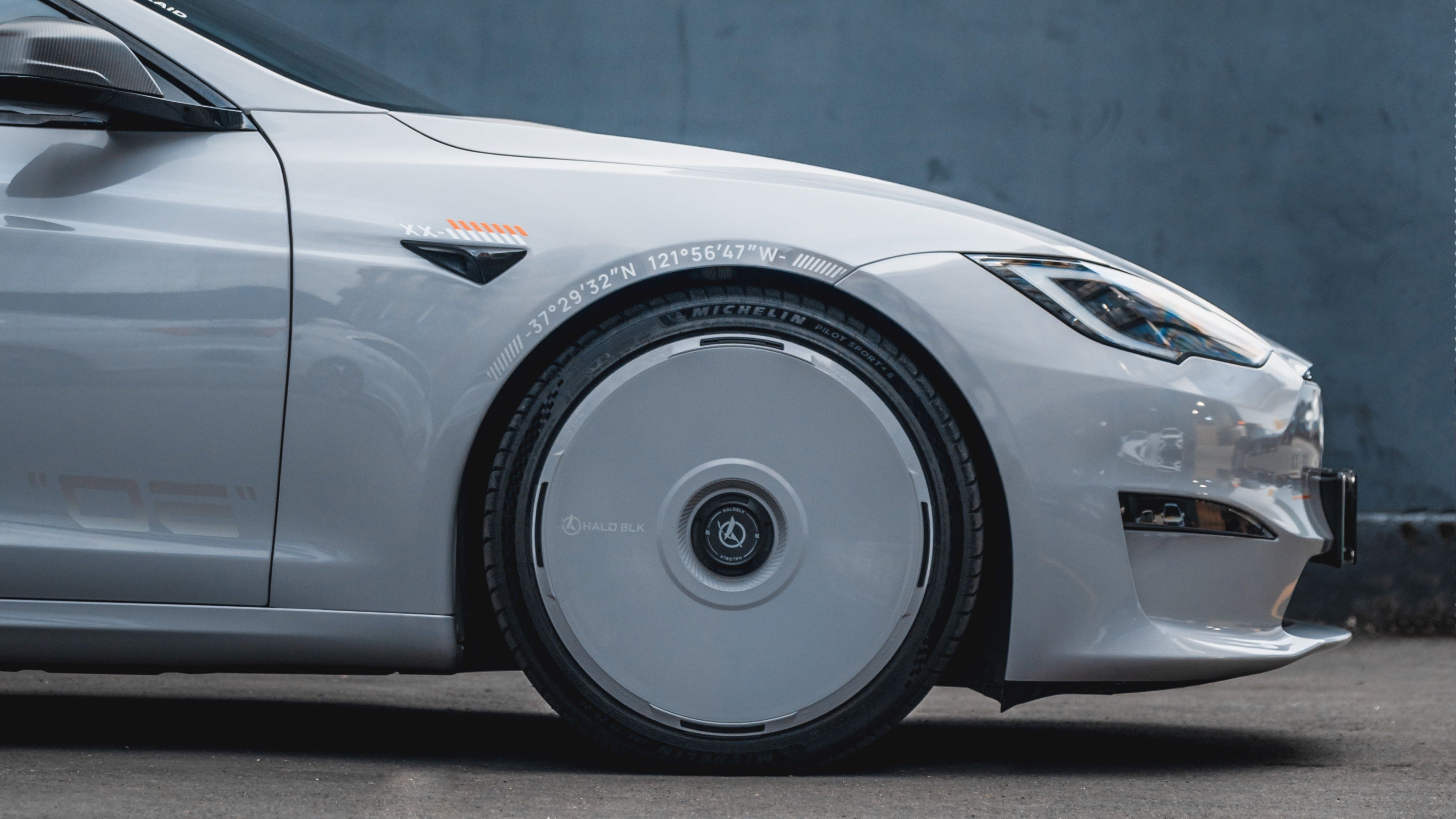
Full-coverage Tesla wheel covers can help protect the visible face and edge of the rims from light curb contact, road dirt, small debris, UV exposure, and corrosive substances. They cannot prevent every form of wheel damage, but they can add a replaceable layer between the original rims and daily road use.
Covers also refresh the look of the car without requiring new wheels or new tires. A wheel replacement can cost significantly more and may affect weight, tire selection, efficiency, and ride quality.
For many owners, wheel covers offer an easier order of priorities:
- Protect the original wheels
- Improve the exterior look
- Add a small aerodynamic benefit
- Avoid the expense of new wheels
That combination may be more valuable than the range increase alone.
How HALOBLK Approaches Aero Wheel Design
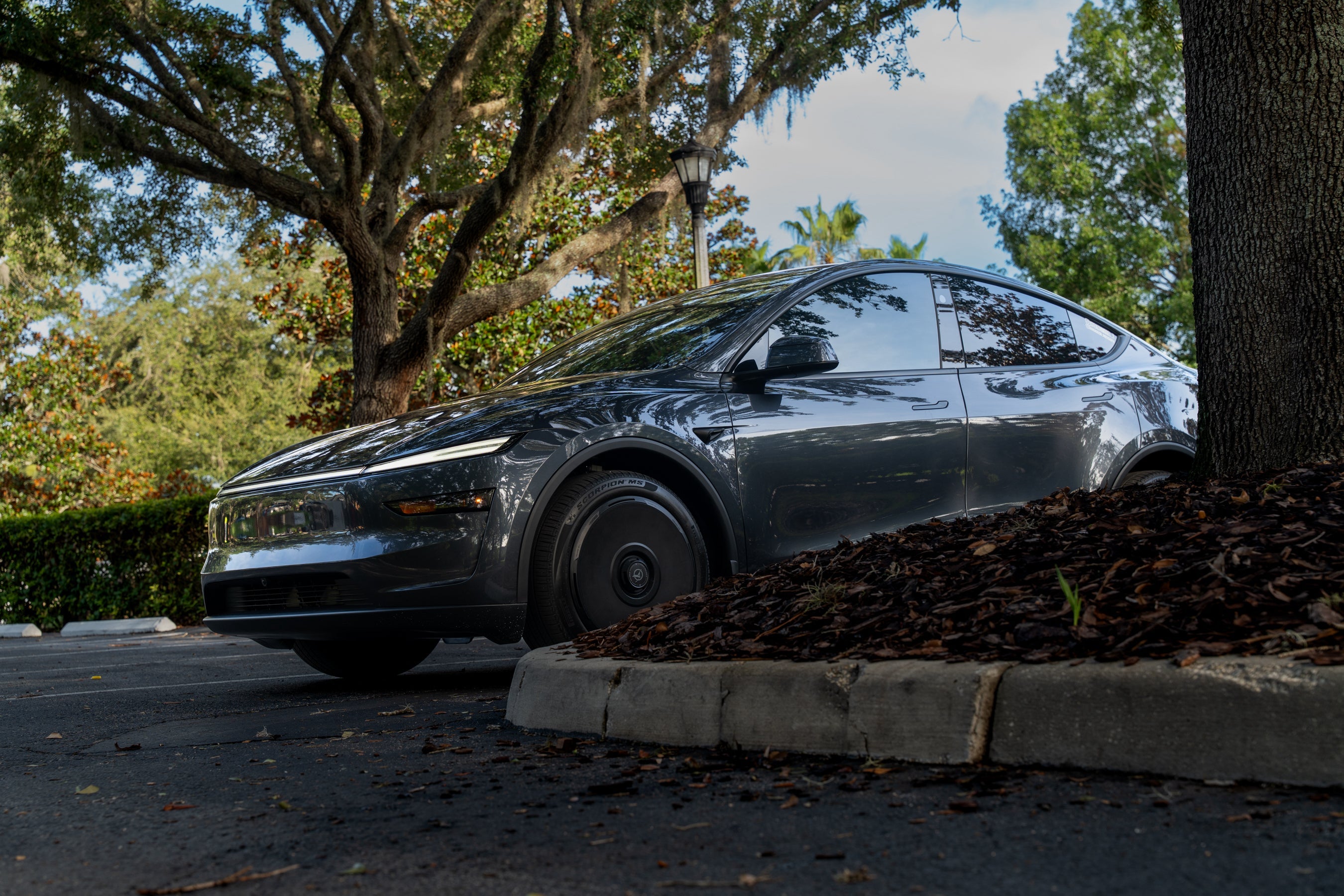
HALOBLK HALODISC 2 wheel covers are designed for compatible Tesla Model 3 and Model Y wheels. The covers combine an aero-inspired profile with fuller rim coverage and multiple visual styles.
This approach is useful for owners who want their Tesla to stand out but do not plan to replace the wheels. Depending on the selected design, HALOBLK covers can create a cleaner, sportier, or more personalized look while covering more of the original rim face.
The company offers styles such as RTP, Charging, Cyber Track, Supercharger, Arrow, and custom-number designs. This gives a driver more freedom to pick a look that suits the car rather than settling for plain original covers.
The efficiency benefit will still depend on the specific model, wheel, tires, speed, and driving conditions. HALOBLK wheel covers should not be presented as a guaranteed range solution. Their broader value comes from combining appearance, protection, fitment-specific design, and aerodynamic intent.
How to Test the Difference on Your Own Tesla
Owners can perform simple personal testing, although it will not be as controlled as professional testing.
Choose a quiet highway route and record:
- Starting battery percentage
- Outside temp
- Tire pressure
- Average speed
- Climate-control setting
- Energy consumption
- Wind and weather
- Total trip distance
Complete several runs with the covers installed, then repeat the test after removing the covers. Use the same route and try to hold the same conditions.
Do not decide from one trip. A single result may reflect traffic or weather rather than the wheel covers. Compare several runs and calculate an average.
When reading forum testing, look beyond reactions or account status. A label such as “well known member” does not prove that a test was controlled. A useful post should mention route, speed, tires, temperature, wind, and testing method.
Even a Nov. road trip can produce a different result from a summer test because cold air, battery temperature, and cabin heating affect efficiency.
Should You Keep Tesla Wheel Covers Installed?
For most highway-focused owners, keeping quality aero wheel covers installed makes sense.
They may provide a small but measurable efficiency increase, help protect the rims, and improve the look of the vehicle. Removing the covers may reduce highway efficiency by approximately 3% to 4%, although the exact difference depends on the car and test conditions.
Drivers who dislike the appearance of the original covers do not necessarily need to buy new wheels. A properly fitted set of aftermarket aero caps can provide a different style while retaining many of the practical advantages of wheel covers.
Before you click buy, check compatibility carefully. The best cover is not simply the one that looks good in a photo. It should fit the exact wheel, install securely, stay clean without excessive effort, and remain stable during a longer drive.
Final Result
Tesla wheel covers can improve highway range, but the increase is usually modest. Controlled testing points to an efficiency gain of roughly 2% to 4%, with the impact becoming more noticeable at higher speeds.
The covers make much less difference during city driving. They also cannot offset the energy penalty caused by excessive speed, cold conditions, low tire pressure, or strong headwinds.
For owners deciding whether to keep the original covers, install aftermarket covers, or buy new wheels, the most balanced choice is often a quality aero wheel cover. It can improve airflow, protect the rims, refresh the look of the car, and add a small amount of range without the cost of a full wheel replacement.

Featured Tesla Upgrade
HALODISC 2 RTP – Black
From $219 $229
Give your Tesla a cleaner, more distinctive side profile while helping protect the original wheels from everyday curb rash and scratches. Select your Tesla model and wheel size below.
- ✓ Secure center-lock installation
- ✓ Full-rim curb rash protection
- ✓ Set of four wheel covers
- ✓ Fast US shipping on eligible fitments
Not compatible with the 2026 Model 3 Standard 18-inch Prismata, 2026 Model Y Juniper Standard 18-inch Aperture, or 2026 Model Y Juniper 21-inch Arachnid 2.0 wheels.

Leave a comment
All comments are moderated before being published.
This site is protected by hCaptcha and the hCaptcha Privacy Policy and Terms of Service apply.