
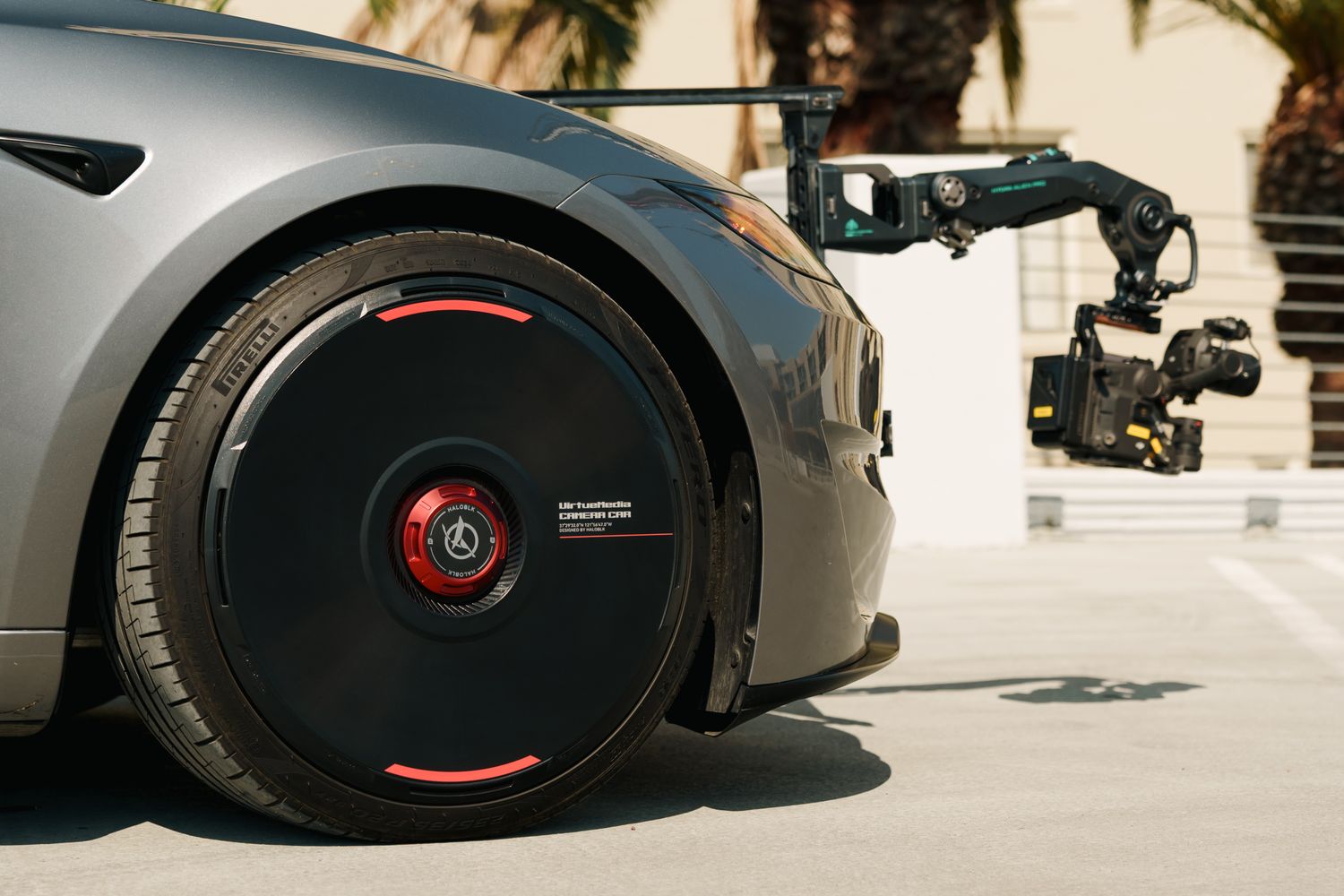
Many Tesla owners notice that their vehicle comes equipped with wheel covers straight from the factory—but not everyone understands why. Some drivers remove them for style, while others keep them on for performance. That raises an important question: how Tesla wheel covers work, and how exactly do they improve driving efficiency?
The answer lies in aerodynamics, airflow management, and smart engineering choices Tesla makes to reduce drag—especially at highway speeds. Let’s break it down in a way that’s easy to understand, whether you drive a Tesla Model 3, Model Y, or are considering an aftermarket upgrade.
The Basics: What Tesla Wheel Covers Actually Do
At a glance, wheel covers may look like simple plastic caps. In reality, Tesla aero wheel covers are carefully designed components that change how air moves around the wheel and tire while driving.
When a car is in motion, the wheels create turbulence as they spin. Exposed spokes and gaps trap air, increasing drag. Tesla’s solution is to use aero covers that smooth the wheel surface and guide airflow more efficiently.
In simple terms:
- Less turbulence = less drag
- Less drag = better efficiency
- Better efficiency = improved range
That’s the core idea behind how Tesla wheel covers work.
Aerodynamics Explained: Why Wheels Matter at Highway Speeds
Aerodynamics isn’t just about the shape of the car body. Wheels are one of the biggest sources of aerodynamic drag on any vehicle.
At highway speeds and higher speeds, spinning wheels:
- Pull air into the wheel well
- Create turbulence around spokes
- Increase overall drag
Tesla wheel covers are designed specifically to reduce this effect. By covering the spokes and smoothing the surface, they help air flow past the wheel instead of getting trapped.
This improvement becomes more noticeable on highways, where speed amplifies aerodynamic losses.
How Tesla Aero Wheel Covers Improve Range
Multiple tests—both Tesla’s internal data and independent testing by owners—show that aero wheel covers can improve range by a small but meaningful percent.
While the exact percent depends on:
- Speed
- Driving conditions
- Tire setup
- Vehicle model
Most Tesla owners report a significant difference during long highway drives compared to driving without covers.
That’s why Tesla includes them as standard equipment: it’s a low-cost way to increase efficiency without changing the car’s powertrain.
Airflow, Drag, and Turbulence: The Engineering Behind It
From an engineering perspective, Tesla wheel covers focus on three things:
1. Reducing Drag
Exposed spokes disrupt airflow. Covers create a flatter surface that lowers drag.
2. Controlling Turbulence
Turbulence around the wheel well increases resistance. Aero covers help air exit smoothly instead of swirling.
3. Managing Airflow
Smooth airflow around the tire improves overall vehicle efficiency, especially at speed.
This is why Tesla wheel covers aren’t decorative—they’re part of the car’s engineering.
OEM vs Aftermarket Aero Wheel Covers
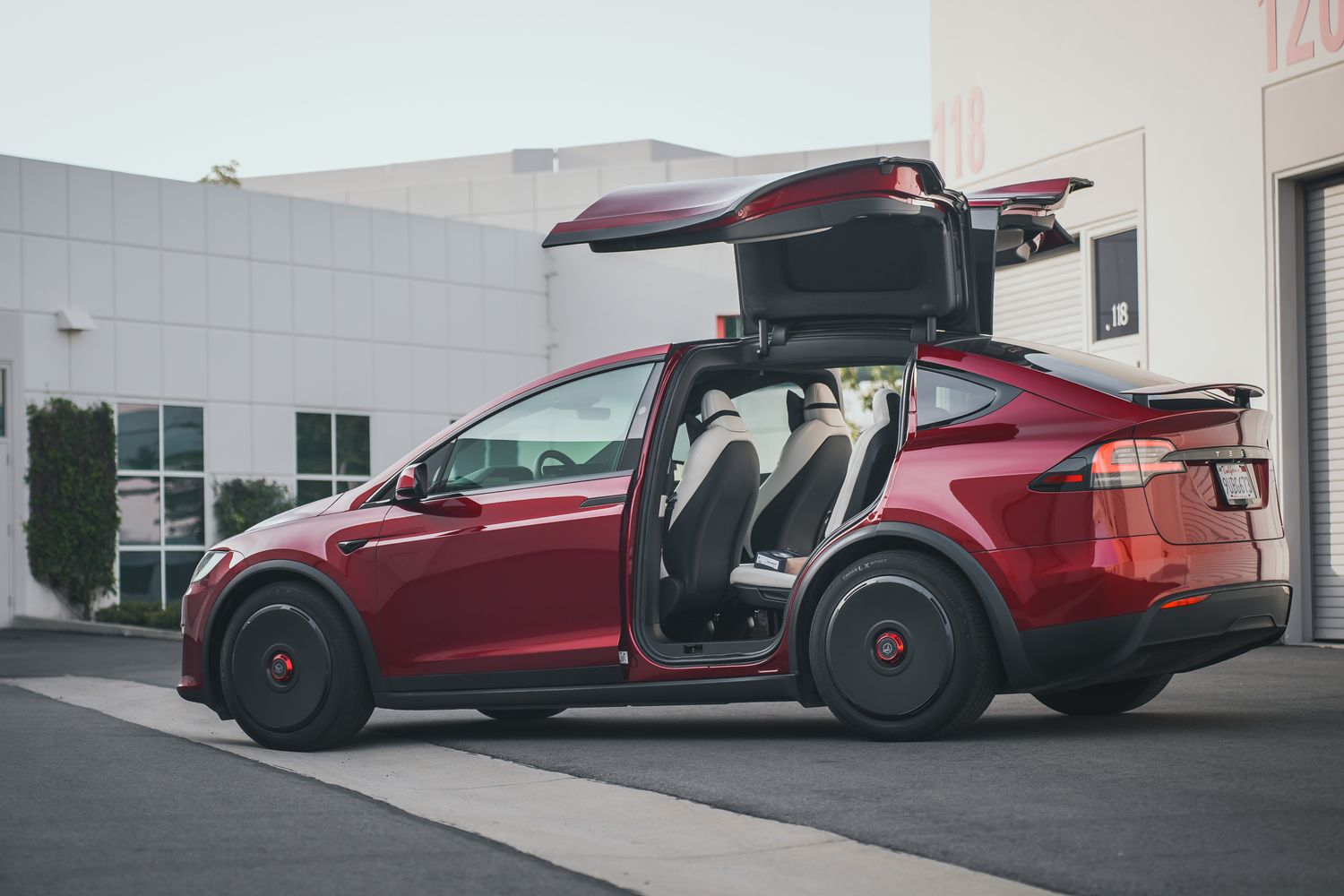
Tesla’s OEM covers are optimized for efficiency, but aftermarket options also exist. Many are designed to match Tesla dimensions while offering different styles or finishes.
When choosing aftermarket wheel covers, confirm:
- Compatibility with your Tesla model
- Proper clip design for a secure fit
- Access to the valve stem
- Alignment with lug nuts and center caps
Well-designed aftermarket covers can still deliver aero benefits while offering a visual upgrade.
Installing Wheel Covers: How They Stay Secure
One common concern among owners is whether wheel covers will stay on at speed. When properly installed, they’re very secure.
Installing wheel covers usually involves:
- Align the wheel cover with the valve stem
- Match clip positions with wheel spokes
- Press evenly around the edge
- Listen for clips engaging
No tools are required, and installation takes only minutes.
Good-quality covers use reinforced clips that prevent loosening, even during highway driving.
Removing and Switching Wheel Covers Safely
Sometimes owners want to switch styles or remove covers entirely.
To remove a wheel cover:
- Pull gently from the edge
- Release clips gradually
- Avoid bending the cover
Removing covers incorrectly can cause scratches to the rim or damage clips. Taking your time helps prevent unnecessary wear.
Protection Benefits Beyond Efficiency
While efficiency is the main goal, wheel covers also act as a shield for your wheels.
They help:
- Protect rims from scratches
- Reduce curb rash
- Block minor debris from direct impact
This added protection extends wheel life and saves money on repairs—another reason many owners keep them installed.
Performance, Noise, and Driving Feel
Do wheel covers affect performance or create noise?
In real-world driving:
- Weight impact is minimal
- No noticeable change in acceleration
- Properly installed covers produce no rattling or vibration
If noise occurs, it’s usually due to:
- Misaligned clips
- Poor-quality materials
- Incorrect installation
High-quality covers, OEM or aftermarket, are tested to perform quietly and reliably.
Style vs Efficiency: Why Some Owners Switch
Some Tesla owners remove stock covers for visual reasons. Exposed wheels often look more aggressive or sporty.
Others prefer aftermarket covers that:
- Enhance style
- Match paint or trim
- Retain aero advantages
Switching covers doesn’t mean sacrificing efficiency—depending on the design, you can often get both performance and appearance benefits.
Understanding the Real Advantage of Tesla Wheel Covers
So, how Tesla wheel covers work comes down to one core advantage: managing airflow where it matters most.
They:
- Reduce aerodynamic drag
- Improve efficiency at highway speeds
- Help extend driving range
- Protect wheels from damage
- Offer a simple, cost-effective upgrade
For most Tesla vehicles,wheel covers remain one of the smartest efficiency features built into the design.
Final Thoughts
Tesla wheel covers aren’t just cosmetic accessories. They’re a carefully engineered solution that helps drivers save energy, reduce drag, and drive more efficiently—especially on the highway.
Whether you stick with OEM covers or choose a quality aftermarket upgrade, understanding how they work allows you to make smarter decisions about performance, protection, and style.
For Tesla owners focused on efficiency, wheel covers aren’t optional—they’re part of the design.


Leave a comment
All comments are moderated before being published.
This site is protected by hCaptcha and the hCaptcha Privacy Policy and Terms of Service apply.