

When people talk about Tesla design, they often focus on batteries, software, or performance. But one subtle component has quietly played a role in Tesla’s efficiency story from the beginning: wheel covers.
From early aerodynamic experiments to today’s refined aero wheel covers, Tesla’s approach to wheel design reflects a clear goal—maximize efficiency without sacrificing usability. Understanding Tesla wheel cover history helps explain why wheel covers remain a core part of Tesla design, especially on the Tesla Model 3 and Model Y.
Early Tesla Design Philosophy: Efficiency First
Tesla’s design philosophy has always been rooted in efficiency. Every part of the vehicle—from body shape to underbody panels—was engineered to reduce energy consumption and improve range.
Wheels were an early focus. Open spokes look sporty, but they create turbulence as air flows through them. At speed, that turbulence increases drag, reducing efficiency.
Tesla engineers saw wheels not just as styling elements, but as aerodynamic components.
The Introduction of Aero Wheels and Stock Covers
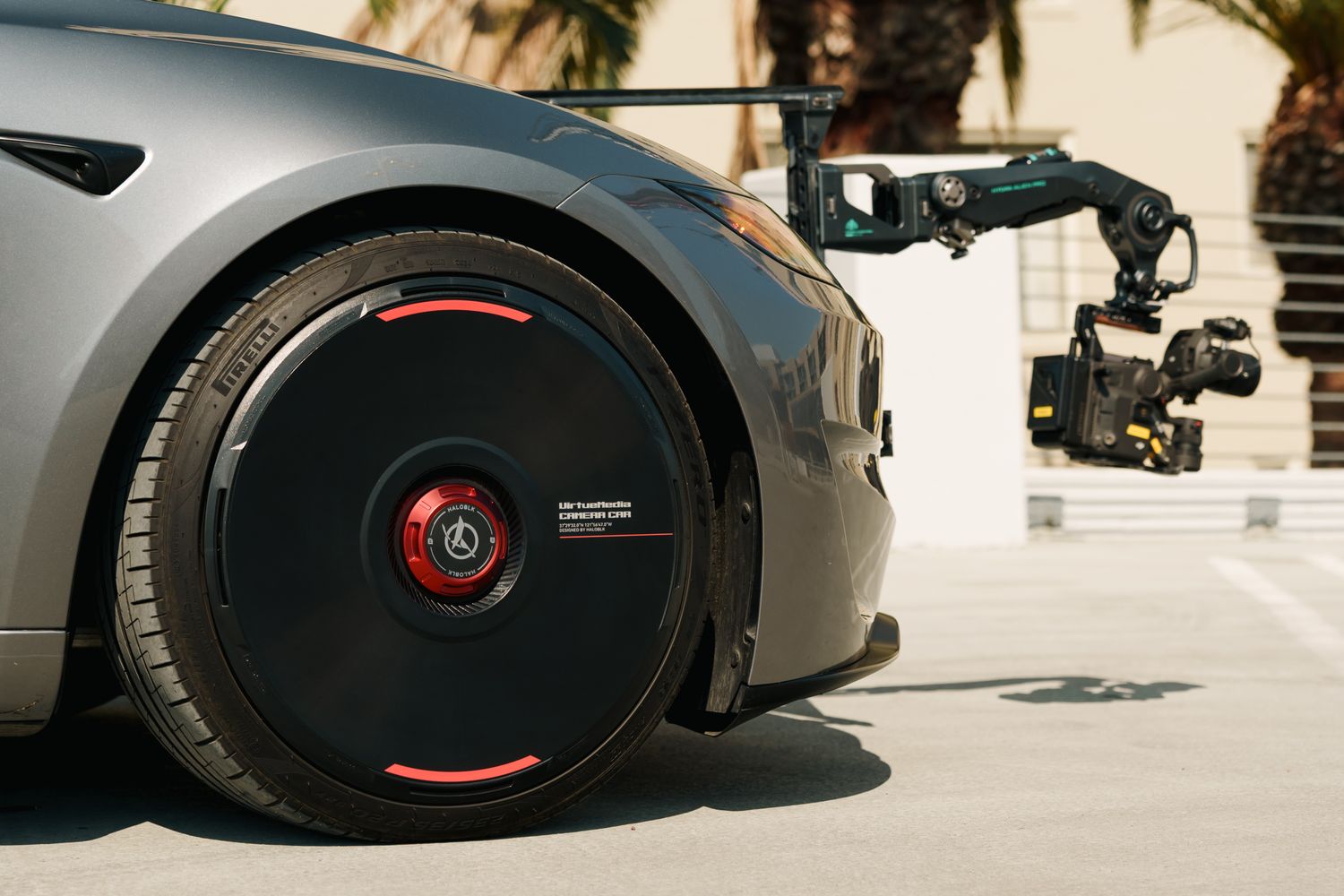
As Tesla expanded production, the company introduced aero wheels paired with removable stock covers. These weren’t cosmetic add-ons—they were functional solutions designed to control airflow around the wheel hub, rim, and tire.
Key ideas behind early stock covers:
- Smooth airflow around the wheel face
- Reduced wind turbulence at speed
- Improved range without changing drivetrain hardware
These early aero covers marked the beginning of Tesla’s long-term strategy to use wheel design as a performance lever.
Tesla Model 3: A Turning Point in Wheel Cover Design
The launch of the Tesla Model 3 represented a major shift. As Tesla’s first mass-market vehicle, the Model 3 had to balance cost, performance, and real-world efficiency.
This is where aero wheel covers became mainstream.
Model 3 stock covers:
- Fully cover wheel spokes
- Use lightweight materials
- Attach with internal clips for easy installation
- Can be removed to reveal the wheel underneath
This dual-purpose design gave owners flexibility while allowing Tesla to optimize efficiency out of the box.
Aerodynamics, Data, and Real-World Testing
Tesla didn’t rely on guesswork. Engineers used wind tunnel testing and real-world data to measure the impact of wheel covers.
Results showed:
- Slight but consistent efficiency gains
- Lower turbulence around the wheels
- Improved performance at highway speed
The difference might seem slightly small per mile, but over thousands of miles, the numbers add up. For Tesla, those results supported the decision to make wheel covers standard on many models.
Wheel Covers as Protection, Not Just Performance
Over time, Tesla owners discovered another benefit: protection.
Wheel covers help:
- Reduce curb rash
- Keep the rim protected from parking mistakes
- Shield wheels from debris
While not indestructible, covers often take damage instead of the wheel itself. For many owners, this added protection became just as important as efficiency.
Center Caps, Hubcaps, and Design Flexibility
Tesla also experimented with center caps and partial hub designs. Some drivers preferred the exposed wheel look with a clean center hub, while others kept full hubcaps installed.
This flexibility allowed owners to:
- Switch between efficiency and style
- Remove covers for cleaning
- Match the look to personal preference
Tesla’s choice to make covers removable was intentional—it respected different owner reactions without compromising the factory efficiency goal.
Noise, Installation, and Owner Feedback
Early in the evolution, some owners worried about noise or fit issues. Tesla addressed this through improved clip design and tighter tolerances.
Over time:
- Installation became easier
- Clips became more secure
- Noise complaints decreased
Owner reviews and community feedback helped refine the design. Tesla often watched how owners removed, cleaned, or reinstalled covers—and adjusted future designs accordingly.
Switching Styles: Why Owners Remove or Replace Covers
As Tesla ownership grew, so did personalization.
Some owners removed covers for:
- A sportier look
- Cleaner wheel spokes
- Visual preference
Others switched to aftermarket covers that retained aero benefits while offering different aesthetics.
Tesla’s design made this possible without forcing a single choice—an approach many owners appreciate.
The Role of Aero Covers in Tesla’s Efficiency Numbers
Tesla’s published efficiency and range numbers often assume the vehicle is in its most efficient configuration—which includes aero wheel covers.
Without them:
- Drag increases
- Efficiency drops
- Range may decrease at higher speeds
That’s why Tesla continues to provide wheel covers as standard equipment on many trims.
Lessons from Tesla Wheel Cover History
Looking back, Tesla’s wheel cover evolution shows a few consistent themes:
- Efficiency drives design decisions
- Aerodynamics matter more than they appear
- Small improvements create meaningful results over time
- User flexibility is part of good design
What might seem like a simple accessory is actually the result of years of testing, refinement, and real-world use.
Where Tesla Wheel Cover Design Is Headed
As Tesla vehicles evolve, wheel design will continue to adapt. New materials, quieter clips, and improved airflow management are all likely directions.
The goal remains the same:
- Reduce drag
- Improve efficiency
- Protect wheels
- Keep ownership simple
From early experiments to modern aero wheels, Tesla wheel covers have become a quiet but important part of Tesla’s design language.
Final Thoughts
The story of Tesla wheel cover history is a reminder that innovation isn’t always flashy. Sometimes it’s a removable cover, shaped by wind, data, and real drivers.
What started as an aerodynamic experiment has become a defining feature of Tesla’s efficiency strategy—and a small detail that continues to make a big difference.

Leave a comment
All comments are moderated before being published.
This site is protected by hCaptcha and the hCaptcha Privacy Policy and Terms of Service apply.