
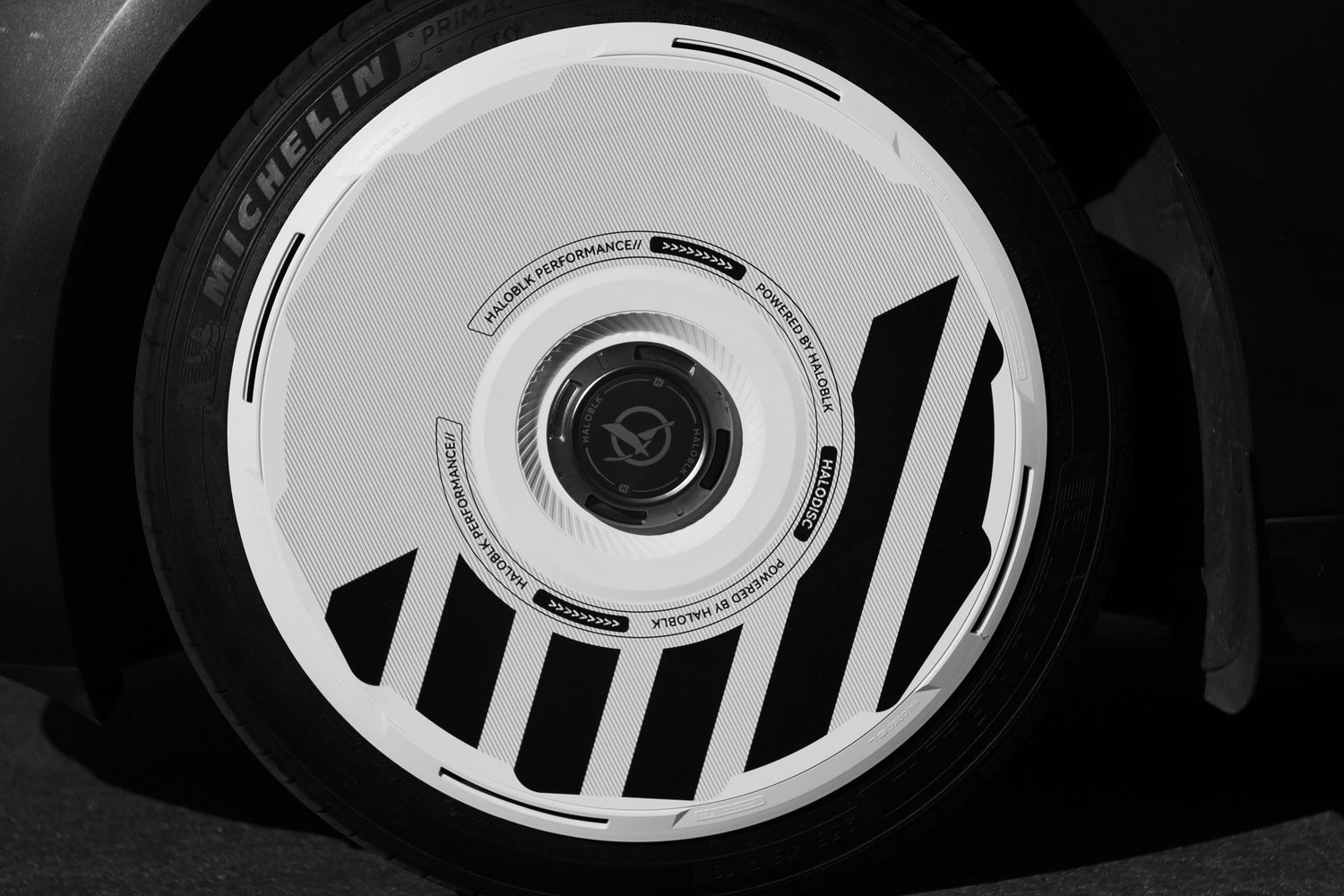
Tesla wheel covers look simple at first glance. Many owners assume you just line them up, press, and drive away. But in reality, Tesla wheel cover install mistakes are extremely common—especially with aftermarket aero covers and upgraded designs.
From loose covers flying off at high speed to damaged clips, scratched rims, and valve stem issues, most problems don’t come from bad products—they come from small installation errors. This guide breaks down the root cause behind those mistakes and shows you how to make sure your Tesla wheel covers are installed correctly the first time.
Whether you drive a Tesla Model Y or another Tesla model, this article will save you frustration, money, and possibly a lost cover on the highway.
Why Wheel Cover Installation Matters More Than You Think
Wheel covers don’t just affect your vehicle’s appearance. On a Tesla, aero wheel covers also play a role in efficiency, protection, and noise reduction.
When a cover isn’t seated properly, several things can happen:
- The cover can pop or falling off while driving
- Metal clips can bend or tear
- The wheel surface or rim can get scratched
- Air access to the valve stem can be blocked
- The cover may become noisy on rough roads
Most of these issues are preventable with proper installation.
Mistake #1: Not Cleaning the Wheel Surface Before Install
This is one of the most overlooked common mistakes.
Dirt, brake dust, or small debris on the wheel surface prevents the mounting ring and clips from locking evenly. Even a tiny buildup can cause:
- A loose cover
- Uneven pressure across clips
- One clip failing before the others
Correct approach:
Before installing wheel covers, wipe the wheel clean—especially around the spokes and center. A quick clean dramatically improves secure fit and reduces clip damage.
Mistake #2: Misaligning the Valve Stem (Wrong Point)
Every Tesla wheel cover has a wrong point—and it’s usually around the valve stem.
If you don’t align the valve opening correctly:
- The cover won’t sit flat
- Clips near the valve get extra stress
- The cover may look installed but isn’t installed correctly
This is a common issue with Model Y owners, especially first-time installers.
Correct installation tip:
Always line up the valve stem cutout first. That’s your one point of reference. Everything else aligns from there.
Mistake #3: Pressing Only One Side Instead of the Center
Many Tesla owners push the cover from the edge or try to snap one clip at a time.
That’s a mistake.
Pressing unevenly causes:
- Clip damage
- Bent or damaged clips
- A cover that looks secure but isn’t seated properly
Correct method:
Start from the center, then press outward evenly. Use firm, controlled pressure until you hear or feel each clip lock.
Mistake #4: Ignoring Clip Resistance (Forcing the Install)
If a wheel cover doesn’t want to go on, something is wrong.
Forcing it can:
- Tear plastic clips
- Bend a metal clip
- Crack the center cap
- Lead to a damaged cover
The root cause is usually misalignment, dirt, or incorrect orientation.
Rule of thumb:
If you need excessive force, stop. Pull the cover off, check alignment, and try again.
Mistake #5: Not Checking for a Secure Fit After Installation
A cover that looks good while parked can still fail at high speed.
After installing wheel covers, many owners skip the final check:
- Light pull test
- Edge inspection
- Clip seating confirmation
That’s why covers sometimes slide, pop, or get lost after a few miles.
Quick test:
Gently pull around the edge. A properly installed wheel cover shouldn’t move or flex easily.
Mistake #6: Driving Immediately Without a Short Test Run
This is another underrated step.
A short test drive helps you catch:
- Rattling sounds
- Pressure imbalance
- Clips not fully locked
- Valve stem access issues
Skipping this step increases the chance of the cover falling off during normal driving.
Mistake #7: Improper Removal Causing Clip Damage
Many problems start during removal—not installation.
Using the wrong technique can:
- Break clips
- Scratch the rim
- Bend the mounting ring
- Damage replacement clips later
Correct removal:
Pull evenly from multiple points. Don’t yank from one edge. Avoid tools unless recommended.
Knowing correct removal is just as important as installation.
Mistake #8: Reinstalling Covers With Damaged Clips
If a clip is bent, cracked, or missing, reinstalling the cover is risky.
Even one clip failure can:
- Reduce overall secure fit
- Cause imbalance
- Lead to the cover popping off
If you notice damaged clips, don’t ignore them. Use replacement clips or replace the cover entirely.
Mistake #9: Forgetting Tire Pressure Access
Some wheel covers block easy access to tire pressure checks.
Owners then:
- Pry the cover
- Twist it slightly
- Create clip stress over time
That’s how covers get damaged slowly without you noticing.
Best practice:
Know how to access the valve stem without stressing the cover—or remove it properly before visiting a tire shop or service center.
Mistake #10: Assuming All Tesla Wheel Covers Install the Same
Not all aftermarket wheel covers are designed identically.
Differences can include:
- Clip design
- Mounting ring structure
- Center cap depth
- Material flexibility
Always follow product-specific install guidance—even if you’ve installed Tesla wheel covers before.
How to Tell If Your Wheel Cover Is Installed Correctly
A cover that’s installed correctly should:
- Sit flush against the rim
- Have no visible gaps
- Not move when lightly pulled
- Stay silent on rough roads
- Maintain alignment at high speed
If it fails any of these, something went wrong during installation.
Final Verdict
Most Tesla wheel cover problems don’t come from bad products—they come from common installation mistakes.
By cleaning the wheel, aligning the valve stem, pressing evenly from the center, and checking clip engagement, Tesla owners can avoid:
- Lost covers
- Scratches
- Bent clips
- Costly replacements
Take your time, follow proper installation steps, and your wheel covers will stay secure, quiet, and visually clean—no matter how fast or far you drive.
If you’re unsure, watch an install video, double-check alignment, and don’t rush. A few extra minutes upfront can save you a lot of frustration later.
Ready to Upgrade Your Tesla?
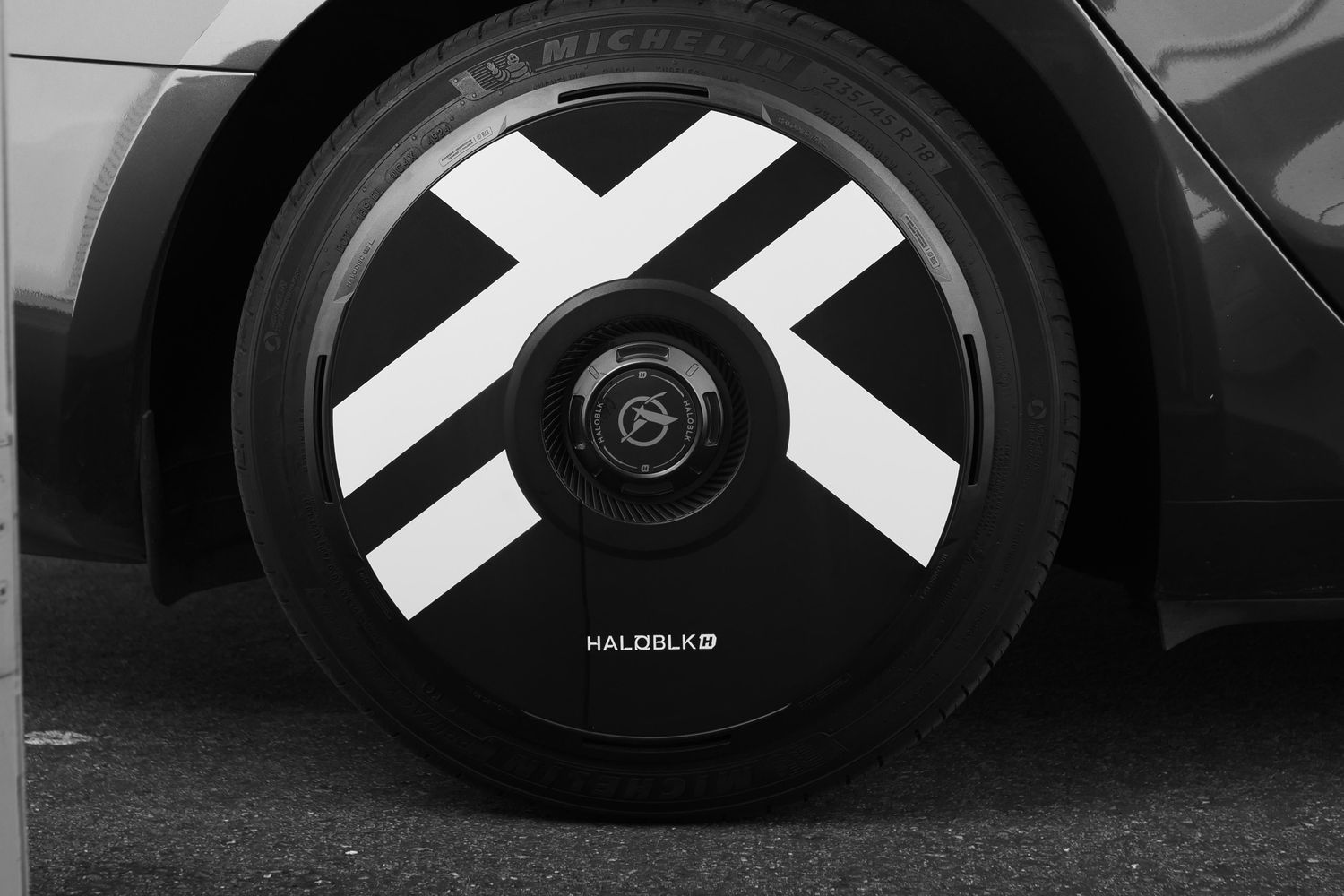
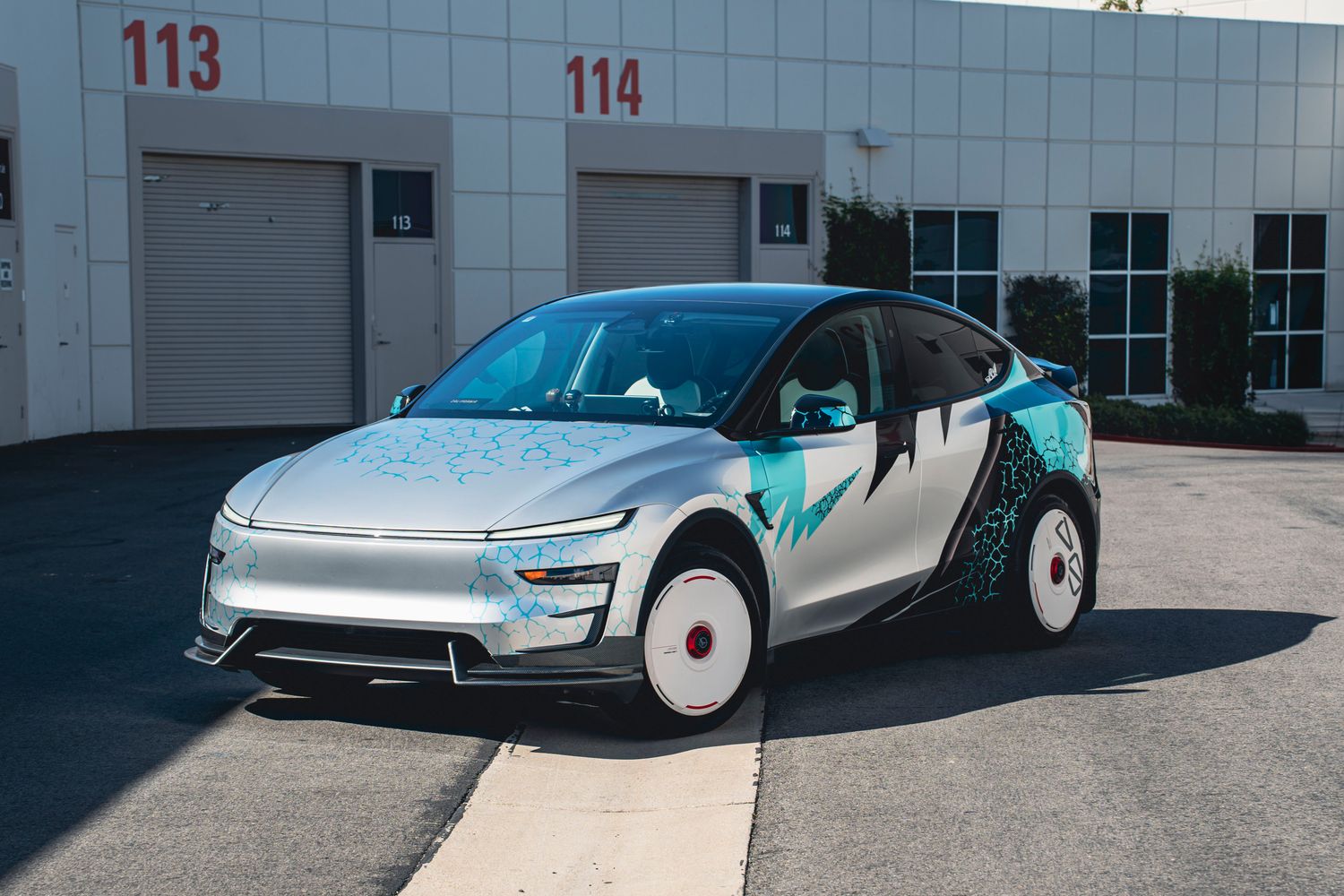
Interested in giving your Tesla a cleaner, more distinctive look? Explore HALOBLK wheel covers designed for Tesla owners who value style, wheel protection, and easy installation.
Find the right design and size for your Tesla in our full collection.

Featured Tesla Upgrade
HALODISC 2 RTP – Black
From $219 $229
Give your Tesla a cleaner, more distinctive side profile while helping protect the original wheels from everyday curb rash and scratches. Select your Tesla model and wheel size below.
- ✓ Secure center-lock installation
- ✓ Full-rim curb rash protection
- ✓ Set of four wheel covers
- ✓ Fast US shipping on eligible fitments
Not compatible with the 2026 Model 3 Standard 18-inch Prismata, 2026 Model Y Juniper Standard 18-inch Aperture, or 2026 Model Y Juniper 21-inch Arachnid 2.0 wheels.

Leave a comment
All comments are moderated before being published.
This site is protected by hCaptcha and the hCaptcha Privacy Policy and Terms of Service apply.