
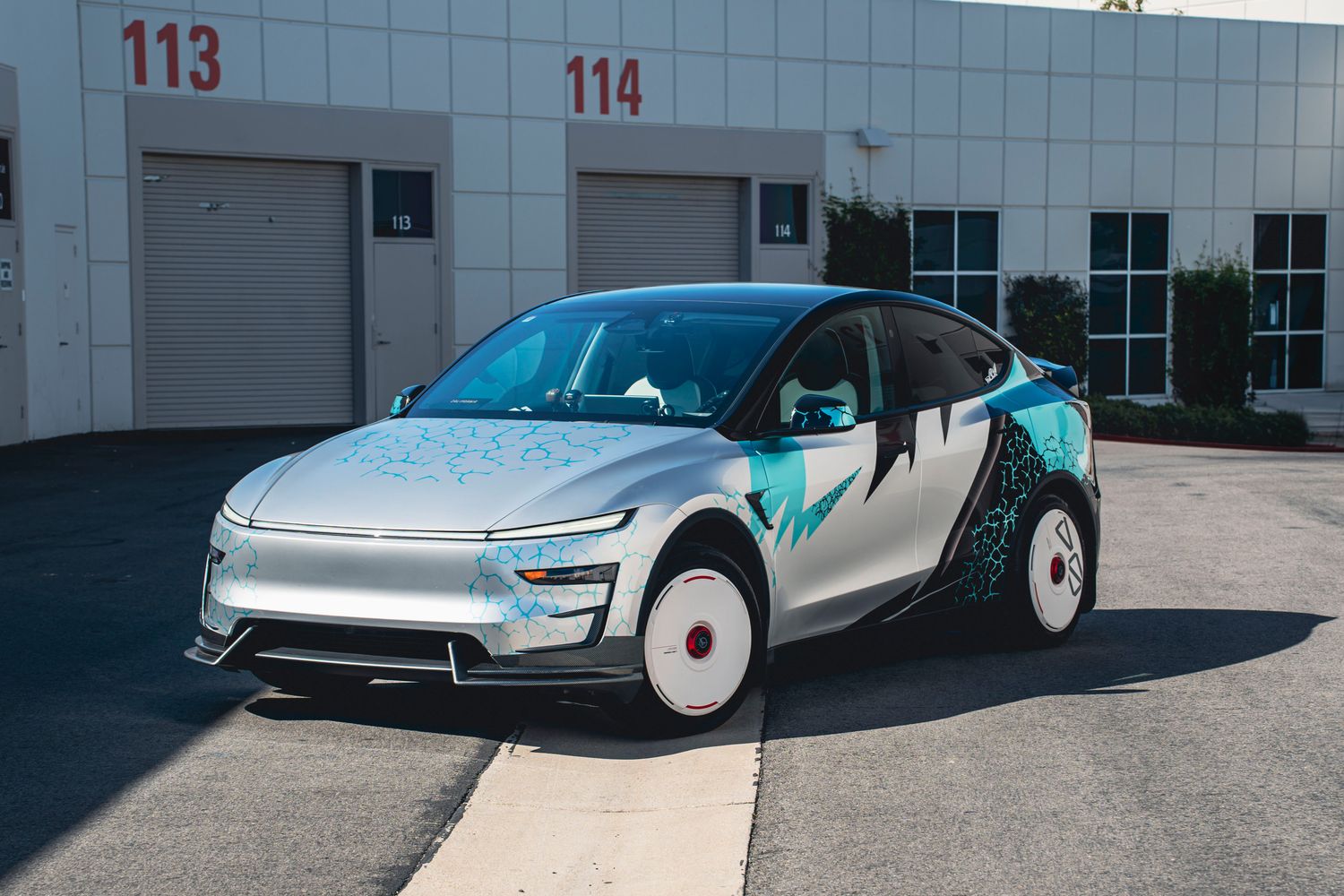
When Tesla owners shop for aftermarket wheel covers, one question comes up again and again:
ABS plastic or aluminum — which material is actually better for Tesla wheel covers?
At first glance, both options promise improved appearance, protection, and even better efficiency. But once you factor in real-world driving, harsh weather conditions, road debris, curb rash, and long-term durability, the choice becomes less obvious.
This guide breaks down wheel cover material for Tesla vehicles in a practical, no-nonsense way — so you can choose what actually works for your car, your driving habits, and your expectations.
Why Wheel Cover Material Matters for Tesla Owners
Wheel covers are not just cosmetic accessories on electric vehicles like Tesla. They affect:
- Aerodynamic efficiency and drag
- Overall vehicle performance and range
- Protection against curb rash, scratches, and road debris
- Noise, vibration, and ride feel
- How well the cover holds up in sun, rain, snow, and road salt
In other words, material selection impacts far more than looks.
For Tesla Model 3 and Model Y owners especially, wheel covers often protect the entire wheel, not just the rim edge. That makes material choice even more important.
The Two Most Common Materials: ABS vs Aluminum
Most Tesla wheel covers on the market fall into two categories:
- ABS plastic wheel covers
- Aluminum (alloy) wheel covers
Both are commonly used in hubcaps and aero wheels, but they behave very differently over time.
Let’s break them down.
ABS Plastic Wheel Covers: Lightweight and Practical
ABS is a type of engineered plastic commonly used in automotive parts. You’ll see it everywhere — from interior panels to exterior trim — because it balances flexibility, strength, and cost.
Key Advantages of ABS Wheel Covers
1. Lightweight materials improve efficiency
ABS wheel covers are significantly lighter than aluminum. Less weight on the wheel means:
- Reduced rotational mass
- Better efficiency
- Potentially improved range, especially at high speeds
For Tesla owners focused on aerodynamics and reduce drag, this matters.
2. Better impact resistance
ABS plastic handles small impacts well. When hit by road debris or a curb:
- ABS tends to flex instead of crack
- Scratches are more common than structural damage
This makes ABS a solid option for better protection in daily driving.
3. Resistant to corrosion
Unlike metal, ABS does not rust or corrode. That’s especially important in:
- Snowy regions
- Areas with heavy road salt
- Coastal or rainy climates
For many USA customers, this alone makes ABS appealing in the long run.
4. Easier installation and secure fit
ABS covers are designed to snap on with clips and a mounting system that provides a secure fit without stressing the wheel. They’re easier to install, remove, and replace.
Downsides of ABS Plastic
- Can fade or lose gloss under prolonged sun exposure
- Lower perceived “premium” feel compared to metal
- May deform if exposed to extreme heat over time
Still, for most people, these downsides are minor compared to the benefits.
Aluminum Wheel Covers: Premium Look, Heavier Reality
Aluminum wheel covers are often marketed as a high-end accessory. They look solid, metallic, and “sporty” — but looks don’t tell the whole story.
Advantages of Aluminum Wheel Covers
1. Sporty style and premium appearance
Aluminum undeniably looks cool. It gives Tesla vehicles a:
- More aggressive, sporty style
- Metallic finish that matches alloy rims
For owners focused heavily on appearance and style, this can be a big draw.
2. High heat tolerance
Aluminum handles heat better than plastic, which matters for aggressive driving or repeated braking at high speeds.
Drawbacks of Aluminum Wheel Covers
1. Added weight affects performance
Aluminum is heavier than ABS. That extra weight on the wheel can:
- Increase drag
- Reduce efficiency
- Slightly impact range over time
On electric vehicles, small inefficiencies add up in the long run.
2. More vulnerable to curb rash
When aluminum hits a curb:
- It scratches deeply
- It dents instead of flexing
- Damage is usually permanent
That’s bad news for Tesla owners dealing with tight parking or city driving.
3. Corrosion and long-term wear
Aluminum alloy can corrode, especially when exposed to:
- Road salt
- Snow and moisture
- Poor drainage behind the cover
Once corrosion starts, replacing the cover is often the only option.
4. Higher cost, harder replacing
Aluminum wheel covers cost more upfront and are more expensive to replace if damaged.
ABS vs Aluminum: Real-World Comparison
|
Factor |
ABS Plastic |
Aluminum |
|---|---|---|
|
Weight |
Very lightweight |
Heavier |
|
Aerodynamic efficiency |
Excellent |
Moderate |
|
Impact resistance |
High |
Lower |
|
Curb rash protection |
Better |
Worse |
|
Corrosion resistance |
Excellent |
Moderate |
|
Harsh weather durability |
Strong |
Variable |
|
Cost |
Lower |
Higher |
|
Ease of install |
Easy |
More complex |
Which Material Is Better for Tesla Model 3 and Model Y?
For Tesla Model 3 and Model Y drivers, ABS plastic tends to perform better overall.
Why?
- These models prioritize efficiency and range
- Aero wheels benefit from lightweight materials
- Daily driving exposes wheels to curbs, debris, and weather
ABS wheel covers protect the tesla wheel, maintain efficiency, and reduce long-term maintenance headaches.
Aluminum makes more sense if:
- Style is your top priority
- You drive mainly in dry, mild conditions
- You’re willing to trade efficiency for appearance
Noise, Airflow, and Driving Comfort
Material also affects noise and airflow.
ABS plastic absorbs vibration better, reducing rattles and road noise. Aluminum transmits vibration more directly, which can increase noise over rough roads.
From an aerodynamics standpoint, ABS allows more complex shapes that help reduce drag and smooth airflow around the wheel and tire.
Cost, Waste, and Long-Term Ownership
From a sustainability and ownership perspective:
- ABS produces less waste when replacing damaged covers
- Plastic covers are easier to recycle
- Lower replacement cost means fewer discarded accessories
Over the long run, ABS often makes more sense financially and practically.
Final Verdict: ABS or Aluminum?
There’s no universal answer — but for most Tesla owners, ABS plastic wheel covers are the smarter choice.
They’re:
- Lighter
- More durable in real-world conditions
- Better at protecting against curb rash and debris
- More efficient for electric vehicles
- Easier and cheaper to maintain
Aluminum wheel covers look great, but they demand more care and compromise efficiency.
If your focus is performance, protection, efficiency, and long-term durability, ABS wins.
If your focus is purely style and premium feel, aluminum may still appeal — just know the trade-offs.
Choosing the right wheel cover material for Tesla isn’t about hype. It’s about how your car actually lives on the road.

Leave a comment
All comments are moderated before being published.
This site is protected by hCaptcha and the hCaptcha Privacy Policy and Terms of Service apply.