A scraped wheel can turn an ordinary parking mistake into an unexpectedly expensive decision. Do you pay a wheel repair shop to restore the original finish, buy a replacement rim, or simply install wheel covers over the cosmetic damage?
For minor curb rash, faded paint, or unattractive basic steel wheels, wheel covers are usually the more cost-effective solution. A professional wheel repair makes more sense when you want to restore OEM wheels, preserve resale value, or address damage that cannot safely be covered. When a damaged wheel is bent, cracked, leaking air, or causing steering wheel vibration, appearance should take a back seat to long-term safety.
Quick Cost Comparison
|
Option |
Typical Cost |
Best For |
Main Limitation |
|---|---|---|---|
|
Varies by design and vehicle |
Small scratches, worn finishes, basic steel wheels, style changes |
Cannot repair structural damage |
|
|
Cosmetic wheel repair |
$50–$150 per wheel |
Minor curb rash, clear coat damage, shallow gouges |
Finish matching may add cost |
|
Complex rim repair |
Up to $400–$500 for one wheel |
Minor bends, extensive rash, powder coating |
May approach replacement cost |
|
OEM replacement rim |
Around $120–$500 each |
Severe damage or exact OEM restoration |
Premium wheels may cost much more |
|
Premium wheel replacement |
Can exceed $1,000 |
High-end or performance wheels |
Highest overall expense |
These figures are general market estimates rather than fixed prices. Repair costs depend on the damage type, wheel material, wheel size, finish, labor rates, and whether the shop must remove and reinstall the tire.
When Wheel Covers Cost Less
Wheel covers make the most sense when the underlying wheel is still safe and the problem is mainly visual. Minor curb rash commonly appears as scratches, abrasions, or gouges caused by rubbing a curb during low-speed parking. Light curb rash and finish problems can often be refinished professionally, but they do not always require immediate restoration.
A set of new covers can hide small scratches, faded paint, brake dust stains, or rust on structurally sound steel rims. Covers also provide a faster way to change the vehicle’s appearance without buying new wheels or paying for powder coating.
That value proposition is especially relevant to urban Tesla owners. HALOBLK’s audience research identifies curb rash protection, a better Tesla appearance, and lower cost than new wheels as its strongest customer priorities.
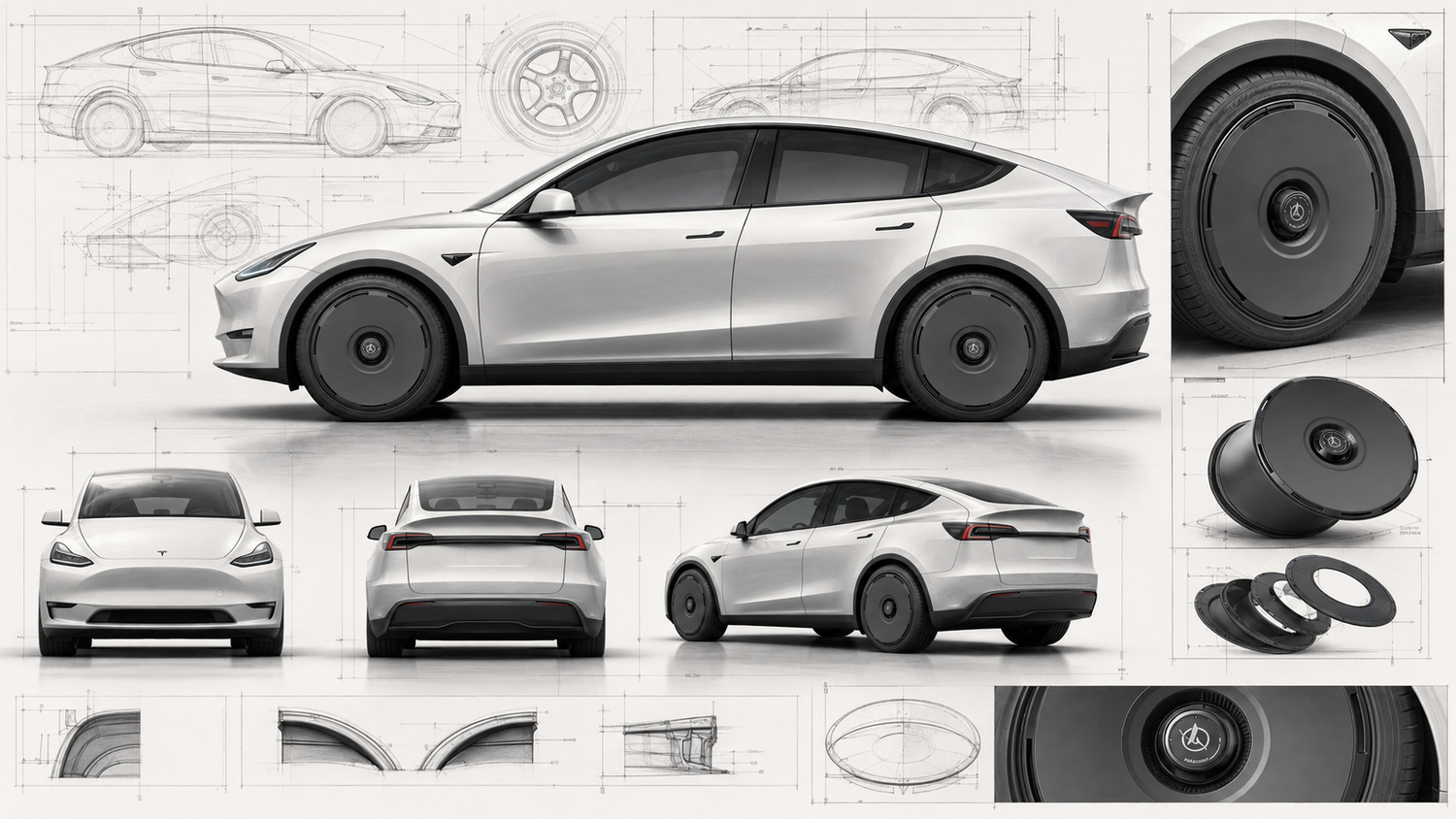
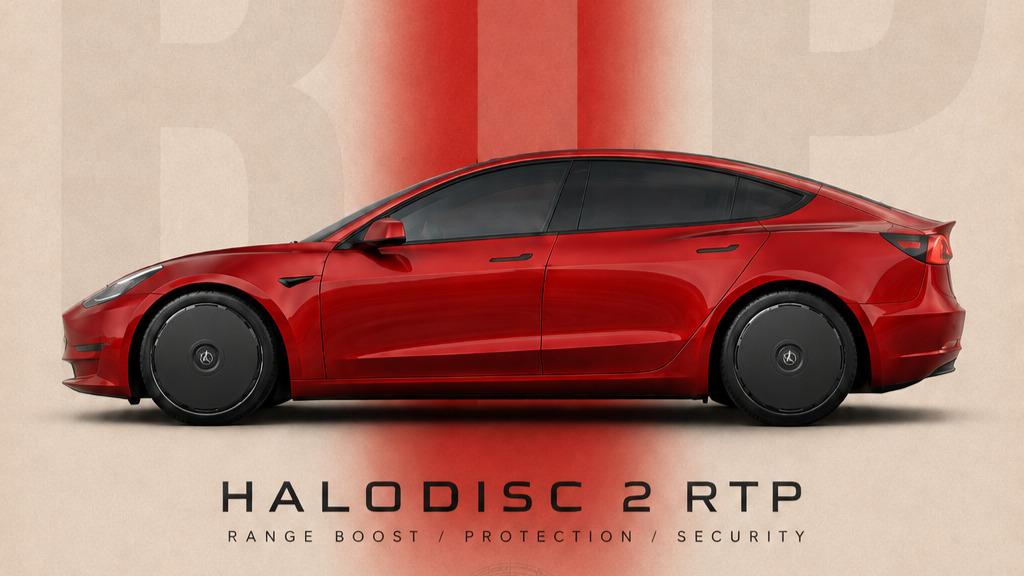
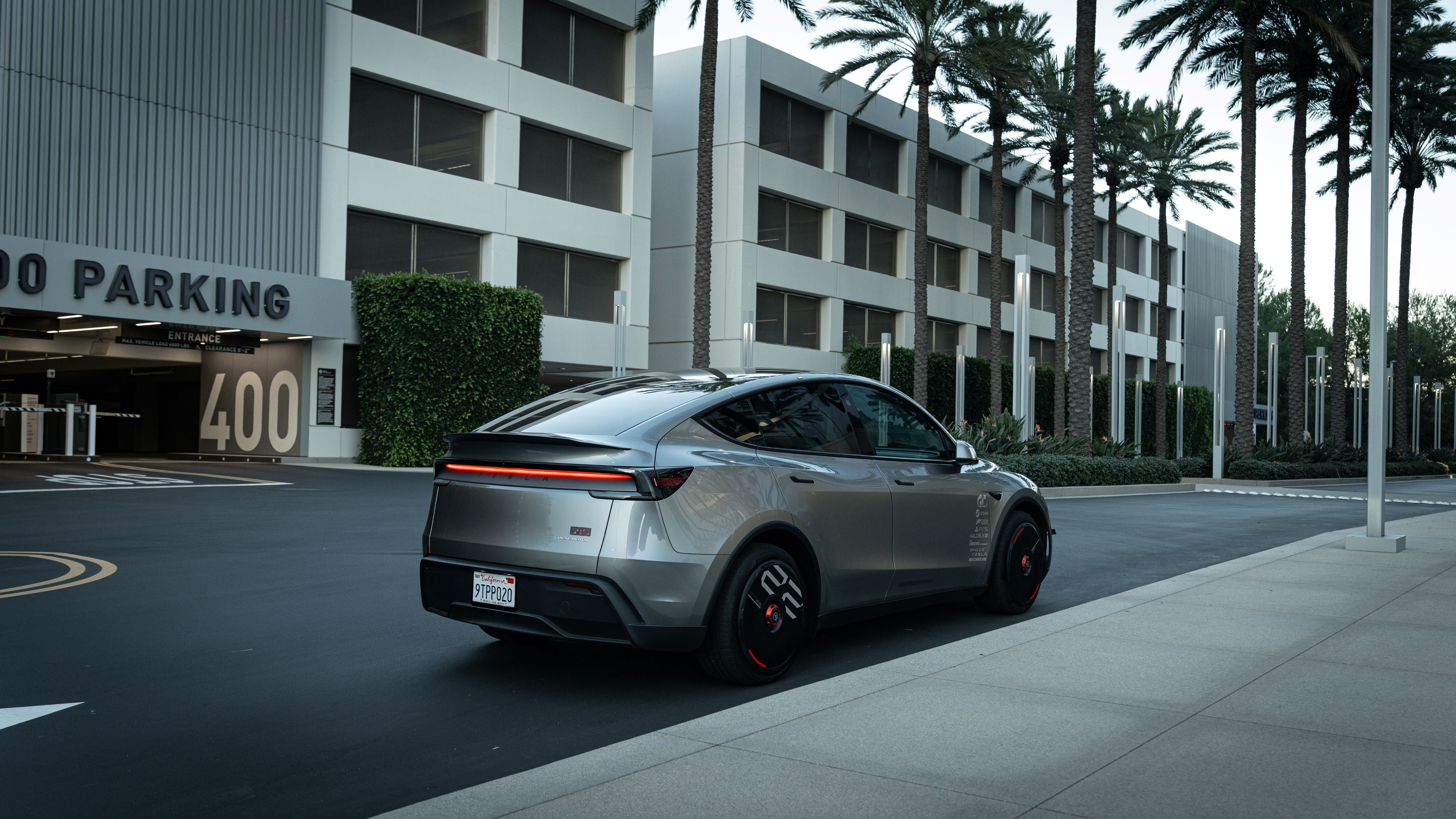
HALOBLK’s HALODISC 2 wheel covers are positioned as a Tesla-focused upgrade for compatible Model 3 and Model Y wheels. They are designed to refresh OEM wheels, add a more distinctive look, and provide additional coverage against everyday scratches and scuffs. HALOBLK also offers several visual styles, allowing owners to personalize their cars while keeping the original wheels underneath.
For drivers who regularly parallel park or travel through debris-filled streets, installing high-quality covers before damage occurs may save money over repeated curb rash repair.
When Rim Repair Is Worth Paying For
Covering damage is not the same as restoring it. Professional rim repair is the better choice when the original alloy rims contribute to the car’s resale value or when the owner wants the wheel surface returned to its original condition.
A basic curb rash repair may start near $50, while a more involved job with sanding, paint matching, clear coat application, machining, or powder coating may cost considerably more. Larger alloy wheels and performance wheels generally cost more to restore because their finishes and shapes are more complex.
Repair also makes more sense when only one wheel is damaged and the other OEM wheels remain in excellent condition. An experienced technician may be able to restore that specific wheel for less than the replacement cost of a matching OEM rim.
However, compare the estimate carefully. When repair costs reach roughly 70–80% of a replacement rim’s price, replacement may offer better long-term value—particularly if the wheel has already been repaired before.
Damage That a Wheel Cover Must Never Hide
A wheel cover is a cosmetic and preventive accessory. It cannot correct a bent rim, cracked alloy, damaged bead seat, flat spots, recurring air leak, or weakened wheel structure.
Stop driving and arrange an inspection when you notice:
- Vibration through the steering wheel, seat, or floor
- Repeated tire-pressure loss
- Pulling, thumping, or unusual road noise
- Visible cracks or severe bends
- Damage around the tire bead seat
- A wheel that no longer rotates evenly
Professional guidance warns that driving on a bent wheel can worsen the damage, cause air loss, affect handling, and increase the risk of tire failure. Minor bends may sometimes be safely repaired after inspection, but cracks or damage in critical areas can require wheel replacement.
Do not install covers to disguise these symptoms. Remove any existing cover and let a qualified wheel repair shop inspect the entire rim and tire. The technician should confirm that the wheel can meet the vehicle’s specifications and safely handle daily driving and highway speeds.
Steel Wheels, Alloy Wheels, and Replacement Cost
Wheel material plays a major role in the final bill. Basic steel wheels are usually cheaper to replace and can sometimes be straightened after minor bends. Covers are also particularly effective on steel wheels because they can conceal a plain or weathered surface at relatively low cost.
Alloy wheels are lighter and more visually detailed, but alloy rim repair often requires specialized equipment and finish matching. Deep gouges, cracks, or severe deformation may make replacement more sensible than repair.
Whether replacing steel wheels or alloy wheels, fitment must match the vehicle. Diameter, width, offset, hub bore, bolt pattern, brake clearance, tire size, and load requirements all matter. A low price is not a bargain if the replacement wheel does not fit correctly.
The same principle applies to wheel covers. HALOBLK recommends confirming the Tesla model, wheel design, and exact wheel size before ordering. Correct fitment helps create a secure fit and reduces the chance of looseness during driving.
Which Option Saves More Money?
Choose wheel covers when the wheel is structurally sound and your main goal is to hide minor curb rash, cover worn steel rims, prevent everyday wear, or update the car’s style.
Choose professional wheel repair when you want to restore the original finish, protect resale value, or correct safely repairable rim damage.
Choose wheel replacement in severe cases involving cracks, major bends, bead-seat damage, recurring air loss, or repair costs close to the price of a replacement rim.
For many Tesla owners, a product such as HALODISC 2 occupies a useful middle ground. It keeps the OEM wheels in place, gives the vehicle a new look, and adds a protective layer without the cost of new wheels. Aero-inspired covers may also support smoother airflow, although any efficiency difference will vary with wheel design, vehicle speed, tires, weather, and driving conditions.
The cheapest option is only the right option when it is also safe. Covers can solve an appearance problem. Repair can restore a damaged surface. Neither should be used to postpone replacement when the wheel’s structural integrity is in doubt.

Featured Tesla Upgrade
HALODISC 2 RTP – Black
From $219 $229
Give your Tesla a cleaner, more distinctive side profile while helping protect the original wheels from everyday curb rash and scratches. Select your Tesla model and wheel size below.
- ✓ Secure center-lock installation
- ✓ Full-rim curb rash protection
- ✓ Set of four wheel covers
- ✓ Fast US shipping on eligible fitments
Not compatible with the 2026 Model 3 Standard 18-inch Prismata, 2026 Model Y Juniper Standard 18-inch Aperture, or 2026 Model Y Juniper 21-inch Arachnid 2.0 wheels.

Leave a comment
All comments are moderated before being published.
This site is protected by hCaptcha and the hCaptcha Privacy Policy and Terms of Service apply.