
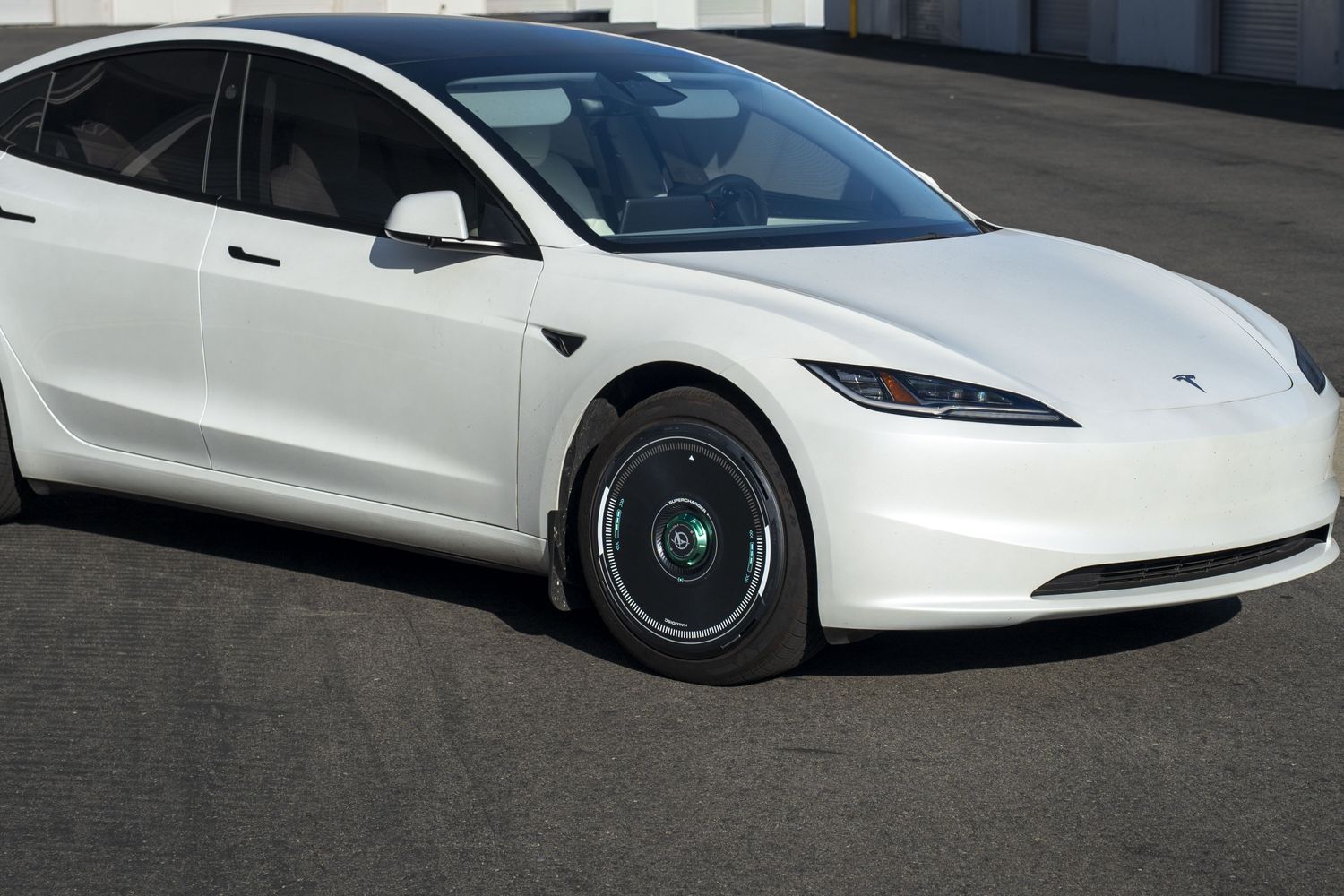
When people shop for Tesla center caps, most focus on style—black vs silver, logo vs minimal. But one factor that often gets overlooked is the tesla center caps material itself.
And that actually matters more than you think.
The material affects durability, fit, long-term performance, and even how well your caps protect the wheel center from dust and wear. Whether you’re driving a Tesla Model 3, Model Y, or Model S, choosing the right center cap material helps you avoid common issues down the road.
What Are Tesla Center Caps Made Of?
Most tesla center caps fall into two main material types:
- Plastic caps (ABS or composite)
- Aluminum center caps
You’ll also see variations in coatings, finishes, and build quality depending on whether they are OEM or aftermarket products.
Plastic Tesla Center Caps: The Most Common Option
Why Plastic Is Widely Used
Most OEM Tesla center caps—especially those used on Gemini wheels—are made from high-quality plastic.
Why? Because plastic offers:
- Lightweight construction
- Cost efficiency
- Easy manufacturing
- Good compatibility across models
That’s why you’ll often see plastic caps included in factory setups or entry-level replacement kits.
Pros of Plastic Caps
- Easy to install and remove
- Lower cost when you purchase a full set
- Flexible material helps ensure a secure fit
- Works well for daily driving
For example, many Model Y Gemini wheels use plastic-based wheel center caps that are designed specifically for that diameter and hub size.
Cons of Plastic Caps
- Can wear faster over time
- Less resistant to extreme heat or cold
- Finish may fade with long-term exposure
- Lower perceived premium feel
For some Tesla owners, plastic caps are perfectly fine. But if you’re upgrading your modified wheels, you may want something more durable.
Aluminum Tesla Center Caps: Premium Upgrade Option
If you’re looking for a more premium solution, aluminum center caps are the go-to upgrade.
These are commonly found in higher-end aftermarket options.
Benefits of Aluminum Caps
- Stronger and more durable than plastic
- Better resistance to heat, dust, and weather
- More refined appearance and style
- Matches performance-focused setups
Aluminum caps are especially popular for:
- Model S performance builds
- Upgraded Tesla wheels
- Custom setups with black or silver finishes
When Aluminum Makes Sense
You should consider aluminum if:
- You want long-term durability
- You’ve upgraded to aftermarket wheels
- You care about a premium look
- You drive frequently in harsh conditions
It’s a small upgrade—but one that makes a noticeable difference over time.
What About Lug Nut Caps and Covers?
When upgrading your tesla center caps, don’t forget about:
- Lug nut caps
- Lug nut covers
These are often included in a full set and are usually made from plastic.
They help:
- Protect lug nuts from dust and corrosion
- Create a clean, uniform look
- Match the center cap style
If you’re customizing your wheels, these small items complete the overall setup.
Fitment: Why Material Alone Isn’t Enough
Even the best material won’t matter if the cap doesn’t fit properly.
Before you add to cart, always:
- Check diameter and size
- Verify compatibility with your Tesla model
- Confirm the caps are designed specifically for your wheels
This is especially important for:
- Model Y (including Highland / refreshed versions)
- Gemini wheels vs modified wheels
- Different year variations
Quick Fitment Checklist
Before you checkout, ask:
- Does it match my Tesla model?
- Is it compatible with my current wheels?
- Does the product list correct diameter and hub size?
- Are there customer reviews or photos?
Taking a minute to verify can save you from a return later.
OEM vs Aftermarket Materials
OEM Tesla Center Caps
- Usually plastic
- Clean, minimalist design
- Guaranteed fit
Aftermarket Tesla Center Caps
- Available in plastic or aluminum
- More options to customize style
- May offer better durability
Many Tesla owners prefer aftermarket options because they can better match wheel covers, finishes, and personal style.
Real-World Example
Let’s say you drive a Tesla Model Y with Gemini wheels.
- OEM setup → plastic caps, simple look
- Upgrade option → aluminum caps + lug nut covers
Result:
- Cleaner wheel center
- More cohesive design
- Better long-term resistance to wear
Small change, but noticeable every time you look at your car.
Ordering Tips (Avoid Common Mistakes)
Before placing your order, keep these in mind:
- Always double-check compatibility before you submit order
- Look at real customer photos
- Compare products across platforms like Amazon or official stores
- Review shipping, return, and terms
Also note:
- Some countries may charge extra fees during shipping
- Make sure you understand return policies before checkout
Final Thoughts: Which Material Should You Choose?
If you want a simple answer:
- Plastic caps → best for budget, daily driving, and OEM replacement
- Aluminum caps → best for durability, premium look, and performance setups
For most Tesla owners, both options can work. The key is choosing a product that fits your model, wheels, and driving needs.
One Last Note
When choosing tesla center caps material, don’t just focus on price or style.
Think about:
- Fit and compatibility
- Driving conditions
- Long-term durability
- Overall wheel appearance
That’s how you make a small upgrade actually worth it.

Leave a comment
All comments are moderated before being published.
This site is protected by hCaptcha and the hCaptcha Privacy Policy and Terms of Service apply.