
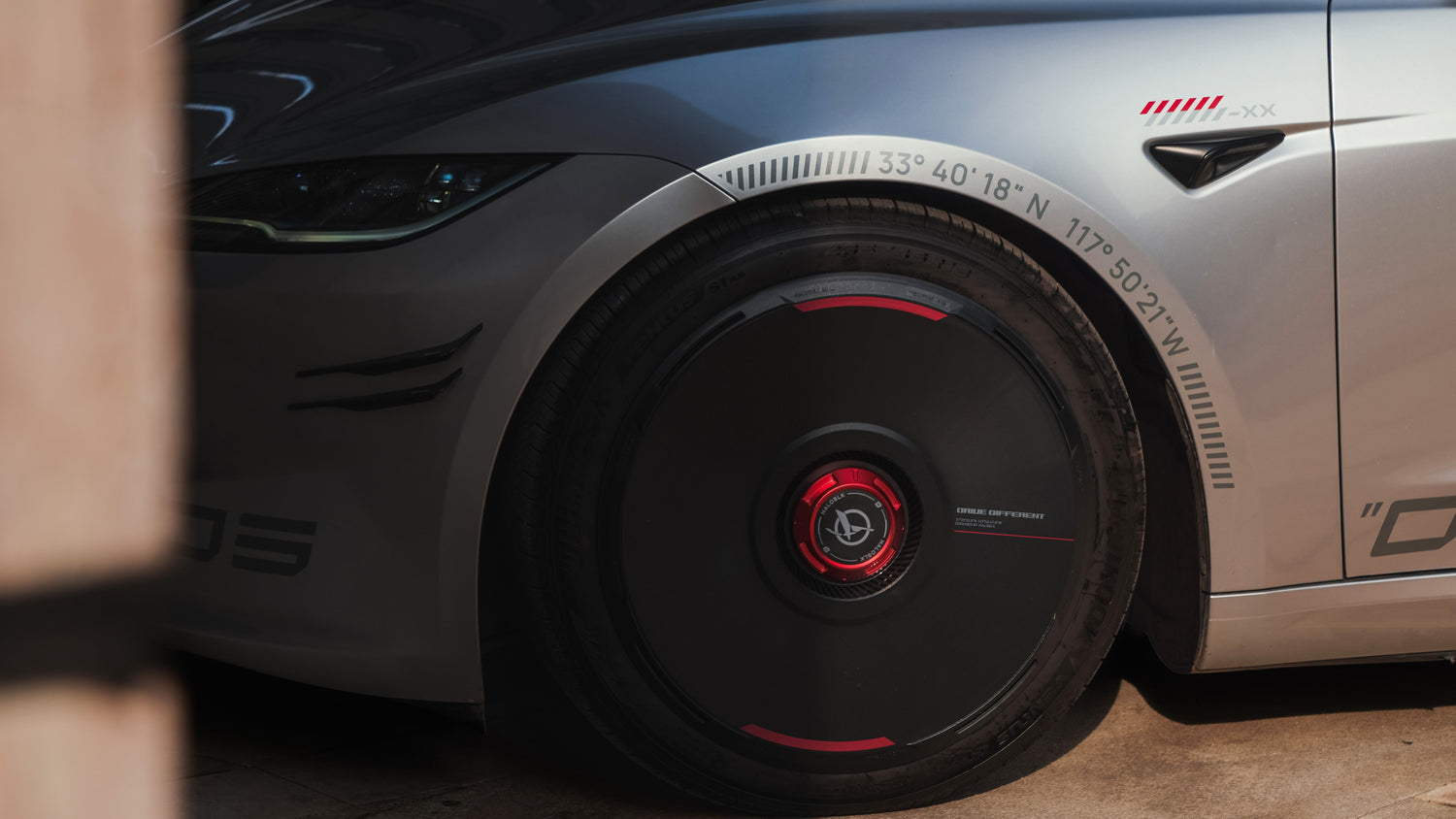
For many Tesla owners, wheel covers are one of the easiest ways to upgrade a car without changing the wheels. They can improve the vehicle’s appearance, protect the rims from curb rash, and in some cases support better efficiency through a smoother aero design.
This model 3 wheel covers ownership guide explains what Tesla Model 3 owners should know before buying, installing, maintaining, or replacing wheel covers. Whether you use OEM covers, aftermarket Tesla wheel covers, or a new model 3 wheel cover set, the goal is simple: choose the right wheel cover, install it correctly, and keep it in good condition during normal driving.
Why Model 3 Owners Use Wheel Covers
Tesla Model 3 wheel covers are not only for style. They also have practical value.
First, they help protect the wheels and rims. Parking too close to a curb can leave curb rash, scratches, or small edge damage. A well-designed cover can act as a shield and reduce direct contact with the rim.
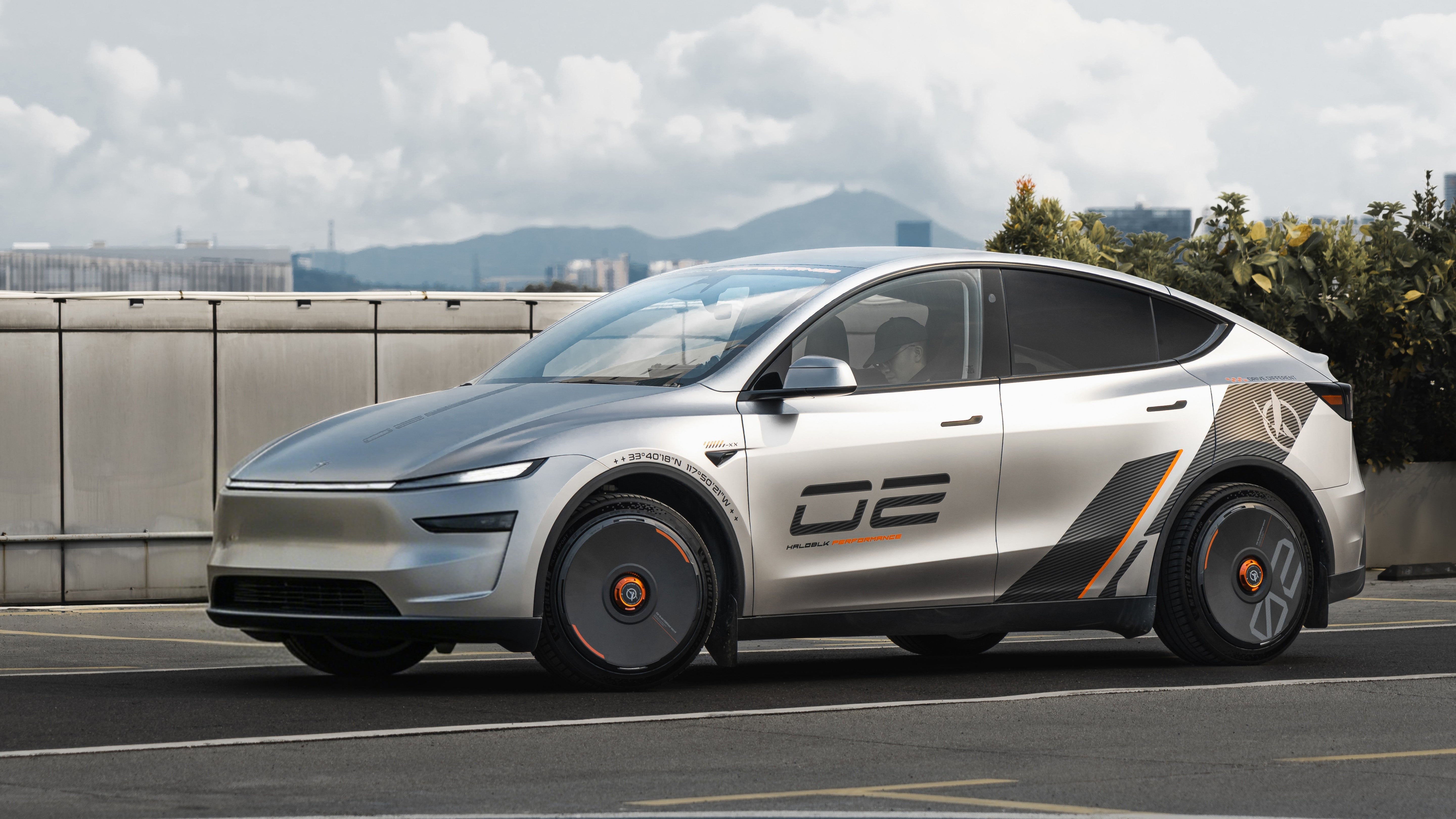
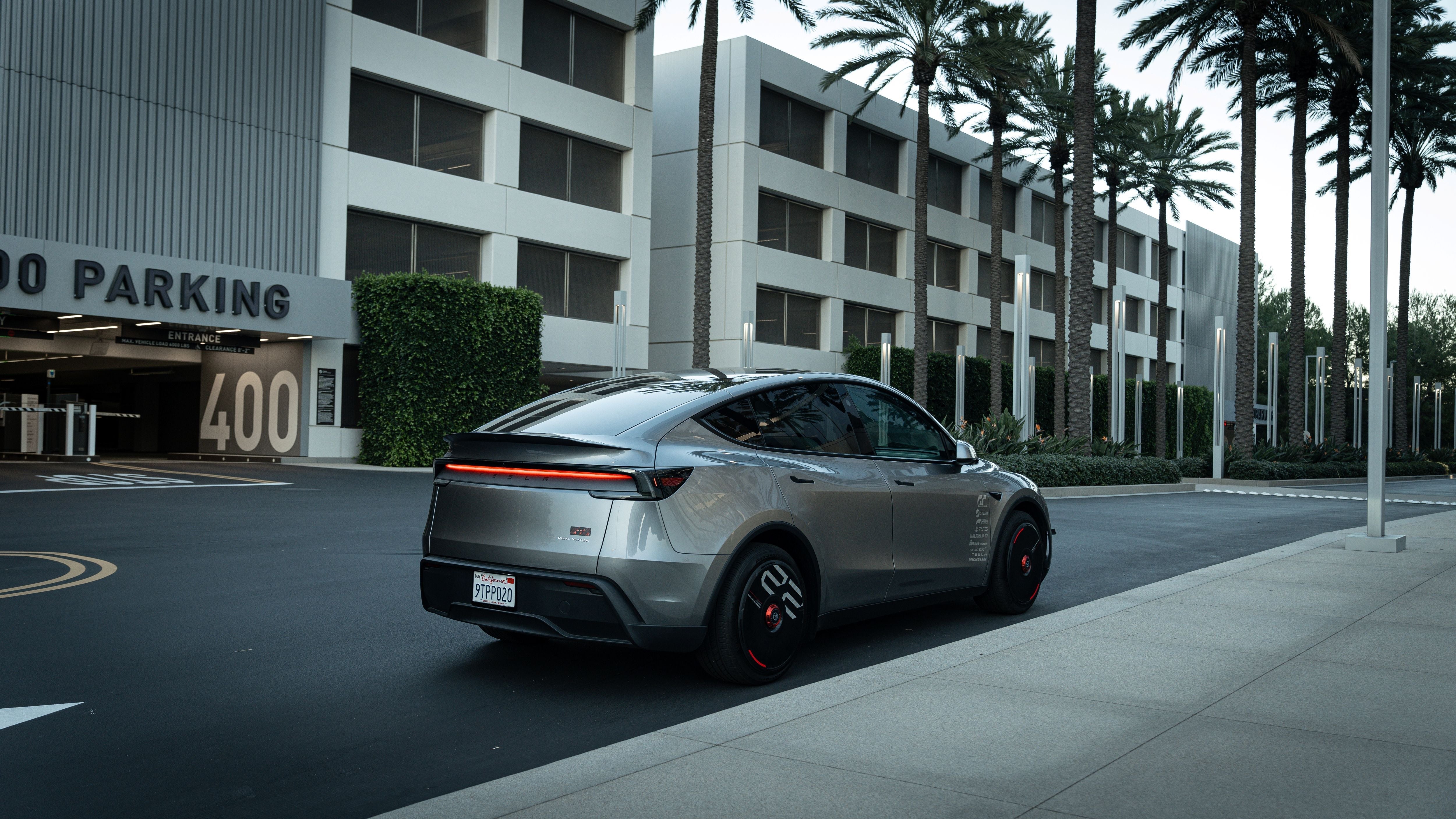
Second, wheel covers can change the look of the car. Some owners prefer the clean factory style of OEM covers, while others want a more modern aftermarket look. For many Tesla Model 3 owners, replacing the stock look with new covers is a simple way to make the car feel more personal.
Third, aero covers may provide aerodynamic benefits. A smoother wheel surface can help reduce air resistance and drag, which may support better efficiency during highway driving. The exact range impact depends on speed, tires, road conditions, and driving habits, but aerodynamics still play an important role in Tesla wheel cover design.
OEM Covers vs Aftermarket Tesla Wheel Covers
OEM covers are made for Tesla factory wheels, so they usually offer reliable fitment. They are a safe choice for owners who like the original look and want a straightforward replacement.
Aftermarket Tesla wheel covers usually offer more style options. They may provide a sleeker appearance, stronger rim protection, or a more aggressive design. Some are specifically designed to cover more of the wheel edge, which can help protect against curb rash.
The key is quality. A good aftermarket cover should use durable materials, fit the right wheel size, and install securely with strong clips. Poor-quality covers may look fine in product posts, but they can become loose, rub against the rim, or make noise at highway speeds.
Before buying, double check that the covers are made for your Tesla Model 3 wheel size and year. Do not assume a cover made for Tesla Model Y will fit a Tesla Model 3. Model 3 wheel and Model Y wheel designs can be different, even if they look similar at first.
Check Wheel Size Before Purchase
Wheel size is one of the most important details. A perfect fit depends on choosing covers designed for the right wheel.
Before purchase, check your Tesla Model 3 wheel size and confirm whether the product matches it. If the size is wrong, the cover may not align with the center, clips, or outer edge. It may feel loose, press against the wrong area, or fail to stay fixed during normal driving.
A wrong fit can also cause damage. If the cover rubs against the rim or tire, it may create scratches or wear. If it is too loose, it may come off and become a damaged cover or even get lost on the road.
A simple note for owners: always double check fitment before adding covers to cart. It can save cost, time, and frustration later.
Installation: How to Get a Secure Fit
Installing Tesla Model 3 wheel covers is usually easy, but it still needs care. Most covers are designed to press into place using clips around the wheel.
Before installing, clean the wheel with a soft cloth. Remove dirt, brake dust, or small debris from the rim area. This helps the cover sit flat and reduces the chance of scratches.
When installing, align the tire valve area first if the cover has a valve opening. Then line up the center and press evenly around the edge until the clips lock in place. Do not force the cover if it feels wrong. A properly designed cover should fit firmly without excessive pressure.
After installation, inspect the cover. Make sure every clip is secured, the center sits flat, and the edge does not touch the tire. If one side looks raised or loose, remove the cover and install it again.
This step is especially important before long trips or road trips. A secure fit helps maintain safety and reduces the chance of loose covers at highway speeds.
Can Wheel Covers Fall Off at Highway Speeds?
High-quality covers should not fall off during normal driving or highway speeds when they are specifically designed for the correct Tesla Model 3 wheel and installed properly.
Problems usually happen when the cover is the wrong size, the clips are weak, the installation is not complete, or the cover has already been damaged. If a cover is loose before driving, it may become worse with speed, vibration, and road conditions.
Before highway driving, press around the cover and make sure it does not move by hand. If you hear rattling, rubbing, or an unusual sound, stop and inspect it. It is better to fix the issue early than risk damage to the rims or losing a cover on the road.
Protection Against Curb Rash and Scratches
Curb rash is one of the main reasons owners buy Tesla Model 3 wheel covers. The outer edge of the wheel is easy to scratch when parking near a curb or turning in tight spaces.
A good cover can protect the rim by adding an extra layer between the wheel and the outside world. Some covers only change the center appearance, while others extend closer to the outer edge for more protection.
For better protection, look for covers that use high quality materials, cover more of the rim edge, fit tightly without rubbing, and are easy to remove and replace. No wheel cover can prevent every type of damage, but during normal driving and light curb contact, a durable cover can help reduce visible scratches.
Maintenance and Cleaning
Regular maintenance helps wheel covers last longer. Wash them when you clean the car, especially after long trips, winter driving, or driving through dirt and debris.
Use mild soap, water, and a soft cloth. Avoid harsh chemicals, strong solvents, or rough brushes. Harsh chemicals can damage the finish, weaken the material, or make the cover look older over time.
Also inspect the clips and edge area regularly. Look for cracks, loose sections, or signs of rubbing. If you notice a damaged cover, replace it before it causes scratches or becomes loose.
Material and Durability
Many Tesla wheel covers are made from ABS plastic or similar durable materials. ABS plastic is commonly used because it balances strength, flexibility, weight, and cost.
However, not all materials are equal. High quality materials usually feel more stable, hold their shape better, and resist cracking during regular use. Lower quality covers may become brittle after heat, cold, or repeated removal.
If you care about long-term durability, do not choose only by price. A cheaper cover may save money at first, but if it cracks, rubs, or needs to be replaced quickly, the real cost may be higher.
Final Thoughts
Tesla Model 3 wheel covers are a practical upgrade for owners who want style, protection, and possible aerodynamic benefits without replacing the wheels. The right covers can protect rims from curb rash, reduce scratches, improve the vehicle’s appearance, and support efficiency by helping reduce drag and air resistance.
The most important part is choosing covers specifically designed for your Tesla Model 3 wheel size. Double check compatibility, install them carefully, inspect them regularly, and avoid harsh chemicals during cleaning.
Whether you prefer OEM covers or aftermarket Tesla wheel covers, the best option is theGAOHAORAN one that gives you a perfect fit, durable material, secure clips, easy maintenance, and the look you want for your car.

Leave a comment
All comments are moderated before being published.
This site is protected by hCaptcha and the hCaptcha Privacy Policy and Terms of Service apply.