
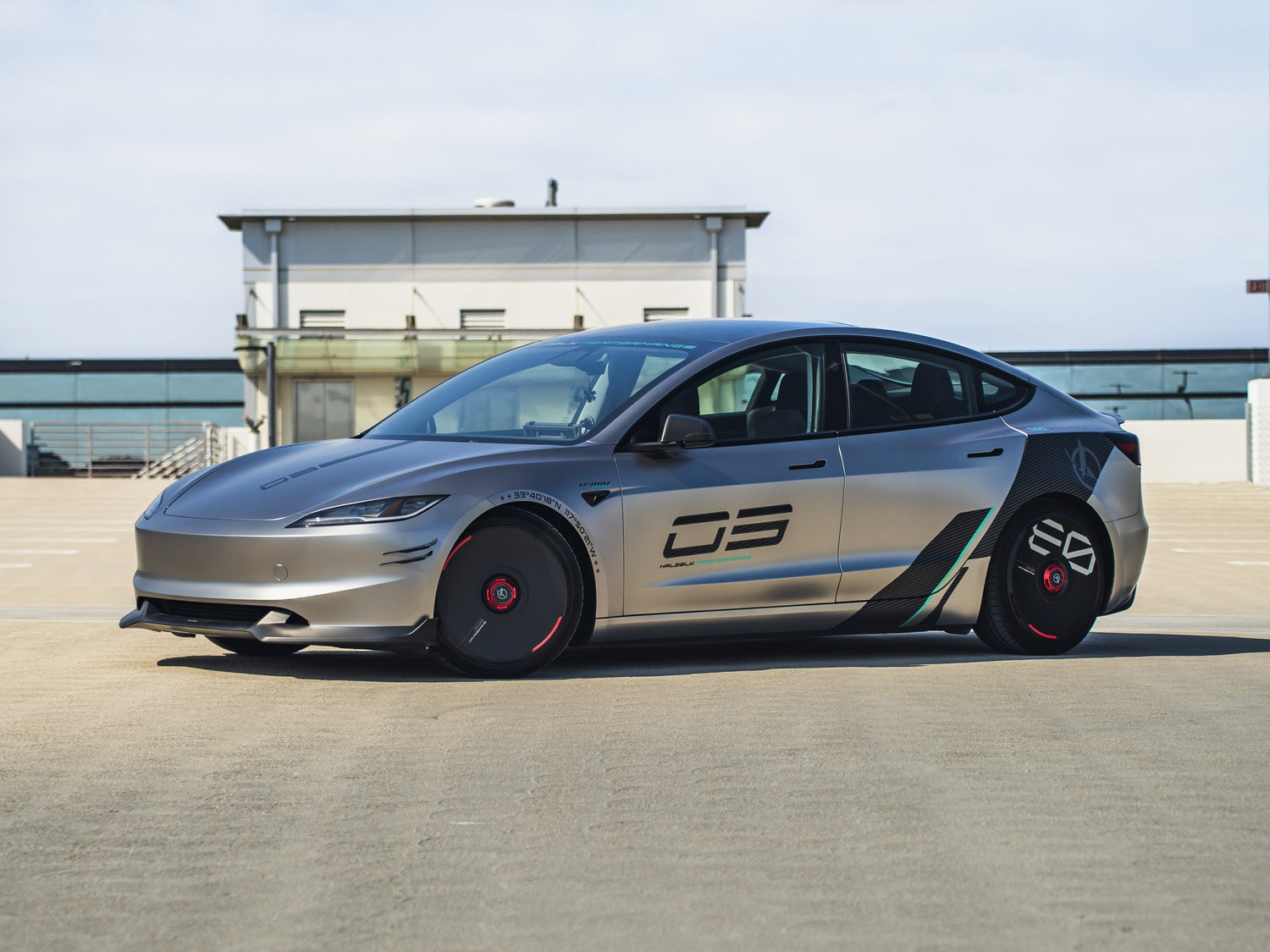
When Tesla owners calculate the long-term cost of driving a Model 3, they usually focus on charging, tires, insurance, and maintenance. However, wheel covers can also lower ownership costs in several practical ways. The main Model 3 wheel covers cost savings come from better aerodynamics that reduce energy use, protection against curb rash that helps avoid wheel repair bills, and cheaper replacement parts when a cover gets damaged instead of the wheel itself.
The potential Model 3 wheel covers cost savings come from improved aerodynamics, protection from curb rash, and the lower price of replacing damaged covers instead of repairing factory wheels. While the difference may seem small at first, these benefits can add up over years of driving and help preserve the car’s appearance and resale value.
For many owners, Tesla wheel covers are not simply accessories. They are a cost-effective upgrade that combines efficiency, protection, and aesthetic appeal. This guide is for Model 3 owners who want premium accessories that improve range efficiency, protect factory wheels, personalize the look of the car, and reduce long-term driving costs. It also looks at brake heat considerations, fit differences between Model 3 versions, and what to check when choosing durable wheel covers that support long-term value.
How Aero Wheel Covers Improve Efficiency
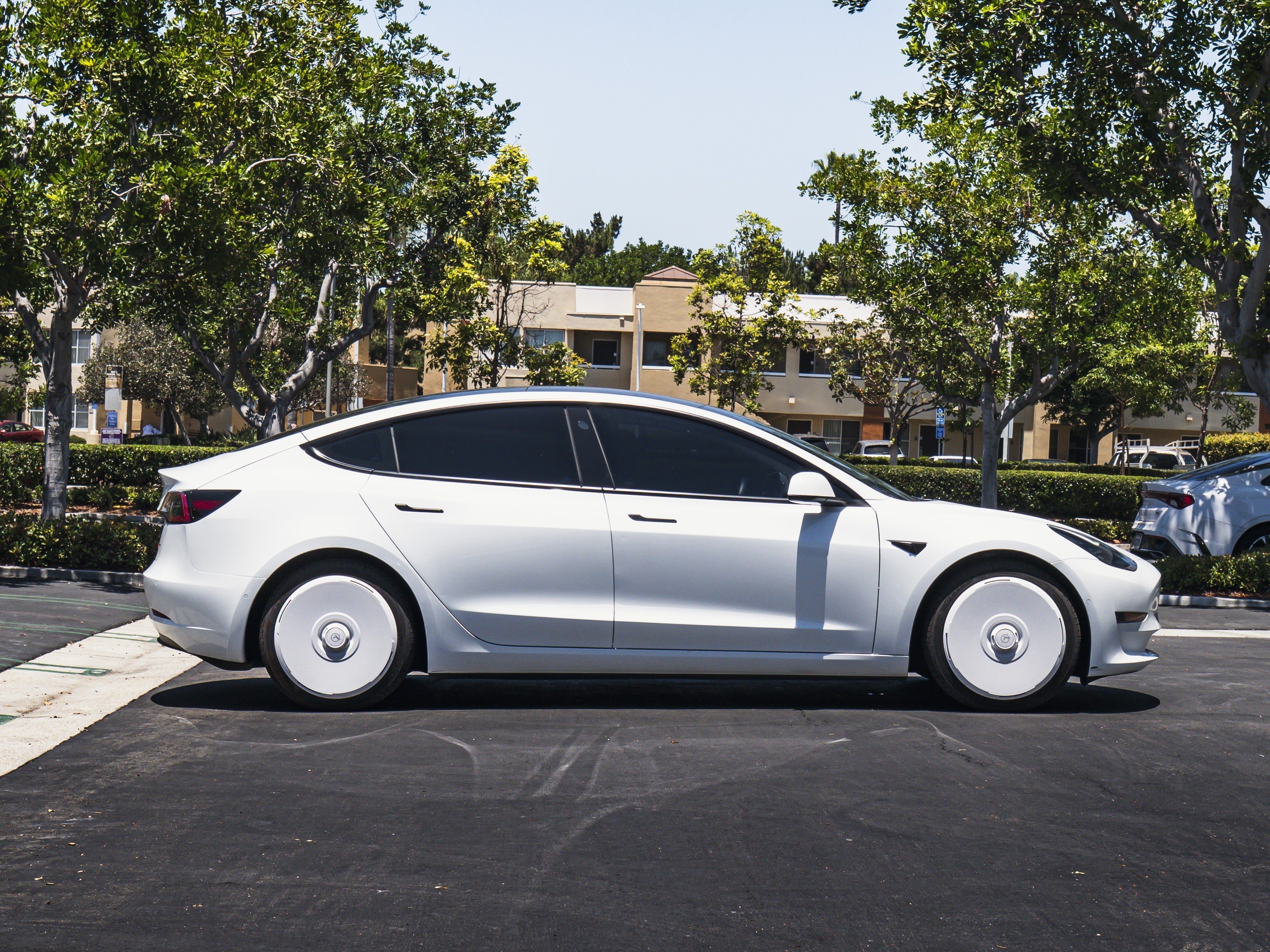
Open wheels create turbulence as air moves through the spokes and around the rotating tires, brakes, and suspension. Aero wheel covers create a smoother surface that reduces air resistance significantly, helping air move more cleanly around the vehicle in an efficiency way.
This is why Tesla has used aero wheels on several Model 3 configurations. At higher test speeds, aerodynamic drag has a larger effect on energy consumption, making aero covers more useful during highway driving and long road trips. Wheel covers can improve efficiency by about 3% at high speeds.
Independent tests have suggested that aero wheel covers proved capable of improving efficiency under certain conditions, with a Tesla Model 3 seeing roughly a 2% to 4% range improvement under real conditions. However, the exact range difference can vary based on:
- Driving speeds
- Wind and air temperature
- Tire pressure
- Road surface
- Tesla model configuration
- Vehicle load
- Driving style
A sizable gain should not be expected on every journey. A Model 3 driven mainly at low city speeds may show a smaller difference than a Tesla Model 3 used for regular highway travel. Keeping the standard wheel covers on can add about 10 to 15 miles of range per charge, with the strongest effect typically showing up at higher speeds.
Even so, a small improvement in efficiency can reduce charging costs over thousands of miles. Aero wheels will not completely change the Tesla experience, but they provide an efficiency-focused way to support better range performance.
Charging Costs and Long-Term Range
The amount owners save depends on how often they drive and where they charge.
Tesla owners who charge primarily at home may already benefit from a lower price per kilowatt-hour. Owners who frequently use public charging stations may notice a greater financial difference if aero wheel covers help reduce energy consumption.
Wheel covers should still be viewed as one part of an efficient system. Low rolling resistance tires, correct tire pressure, smooth acceleration, and moderate speeds can also improve range.
In the traditional automotive world, fuel efficiency may depend on engine design, multiple gears, or a continuously variable transmission. Electric vehicles work differently. Tesla efficiency is affected by the battery, motor, tires, aerodynamics, vehicle weight, and driving conditions.
Aero wheel covers offer a simple way to complement these systems without changing the mechanical performance of the car.
Essential Protection Against Curb Rash
For many [Model 3](Model 3) owners, essential protection may deliver more value than energy savings.
Factory Tesla wheels can easily suffer curb rash, visible scratch damage, dirt, and other potential wear from everyday parking near a curb or debris on the road. This often happens when parking close to a curb, entering a narrow garage, or driving on roads with loose debris.
Some Tesla wheel covers extend toward the outer rim, creating a shield over more of the exposed wheel. Although covers cannot completely prevent curb rash, they may protect the covered edges from light contact and everyday wear.
If a Model 3 wheel cover takes the hit instead of the original rim, the owner may avoid an expensive repair and also avoid a visible scratch on the factory wheel. A scratched cover or damaged hub cap is usually cheaper to replace than a factory Tesla wheel.
This protection can also help keep the stock wheels in pristine condition. Clean wheels improve the vehicle’s appearance and may support stronger resale appeal later.
Replacing Covers Costs Less Than Replacing Wheels
A quality set of wheel covers requires an initial purchase, but it is generally available at a lower price than a full set of replacement wheels.
Replacing wheels can involve several costs:
- New wheels
- New tires
- Lug nuts or additional hardware
- Mounting and balancing
- Alignment
- Installation
- Shipping from a store
Model 3 wheel covers install over the stock wheels and usually do not require removing the lug nuts. Many products include installation tools, center caps, locking components, or replacement wheel caps.
If one cover becomes damaged, owners may be able to replace a single cover, center cap, or hub cap instead of buying a complete set. This makes durable Tesla wheel covers more cost effective over the life of the vehicle.
Before buying, customers should search for brands that offer replacement parts. Cheap hubcaps may look like a cool idea at first, but poor-quality caps can crack, rub against the rim, or fall off while driving.
Wheel Covers, Brake Heat, and Functionality
Some owners worry that enclosed aero covers may trap heat around the brakes.
During normal road use, well-designed aero wheel covers should provide enough airflow for everyday driving. Tesla vehicles also use regenerative braking, reducing reliance on the friction brakes during routine slowing.
However, brake heat may increase during repeated hard braking, steep downhill driving, or aggressive performance use. Wheel covers designed for normal roads should not automatically be used for racing or track driving.
Quality products may include vents or airflow channels that help manage heat. Customers should check the manufacturer’s driving limits and ensure the covers match the correct Tesla model.
Functionality and safety should always come before sporty style.
Model 3 vs. Model Y Wheel Covers
A Model 3 and Model Y may look similar, but their wheels and cover configurations are not always interchangeable.
Tesla Model 3 wheel covers must match the exact wheel diameter and stock wheel design. Covers made for a Model Y may have different clips, caps, center connections, or rim dimensions.
Before installation, owners should confirm:
- Tesla model
- Model year
- Wheel size
- Stock wheel design
- Tire and rim clearance
- Center cap structure
- Product configuration
A correct match prevents rubbing, noise, loose hub caps, or damage to the wheel. Even within the same Tesla model, different aero wheels may require different covers.
Protecting the Car’s Resale Appearance
Wheel covers can improve the car’s exterior without permanently changing the original wheels. Owners can choose a clean aero design, factory-inspired hubcaps, or covers with a more sporty style.
Unlike a change to the interior or a permanent wheel modification, covers can usually be removed before the car is sold. This allows the original wheels to remain visible and, ideally, free from major scratches.
A clean rim and well-maintained tires can make the entire car appear better cared for. While wheel covers cannot guarantee a higher resale price, they can help protect the vehicle’s appearance from dirt, curb contact, and daily wear.
Choosing Durable Model 3 Wheel Covers
Not all hubcaps provide the same quality or durability. A good set should fit securely, withstand everyday road conditions, and stay stable at normal driving speeds.
Before making a purchase, customers should look for:
- Exact Tesla Model 3 compatibility
- Durable materials
- Secure clips or center-lock system
- Reliable center caps
- Clear installation tools
- Proper vents and airflow
- Replacement caps and covers
- Warranty protection
After installation, gently pull each cover to ensure it is secure. Check the system again after a short drive, especially if the car reaches higher speeds.
Regular cleaning also matters. Dirt trapped between the cover and rim may cause scratches over time. Remove the covers occasionally, clean the wheels, and inspect the tires for wear or damage.
Final Thoughts
Model 3 wheel covers cost savings do not usually come from one dramatic improvement. Instead, the value grows through better aerodynamics, slightly lower energy use, protection against curb rash, and cheaper replacement parts.
For highway drivers, aero wheel covers may support better efficiency and range. For city owners, protection from scratches and curb damage may be the larger benefit. For other Tesla owners, aesthetic appeal and a cleaner vehicle appearance may be the main reason to install them.
A durable set of Tesla wheel covers can therefore do more than give the car a cool new look. When properly matched, installed, and maintained, they can protect the wheels, support efficient driving, and reduce ownership costs over time.

Leave a comment
All comments are moderated before being published.
This site is protected by hCaptcha and the hCaptcha Privacy Policy and Terms of Service apply.