

When people talk about Tesla design, they usually focus on battery tech, software updates, or performance numbers. But one of Tesla’s most quietly effective efficiency upgrades sits much closer to the ground: wheel covers.
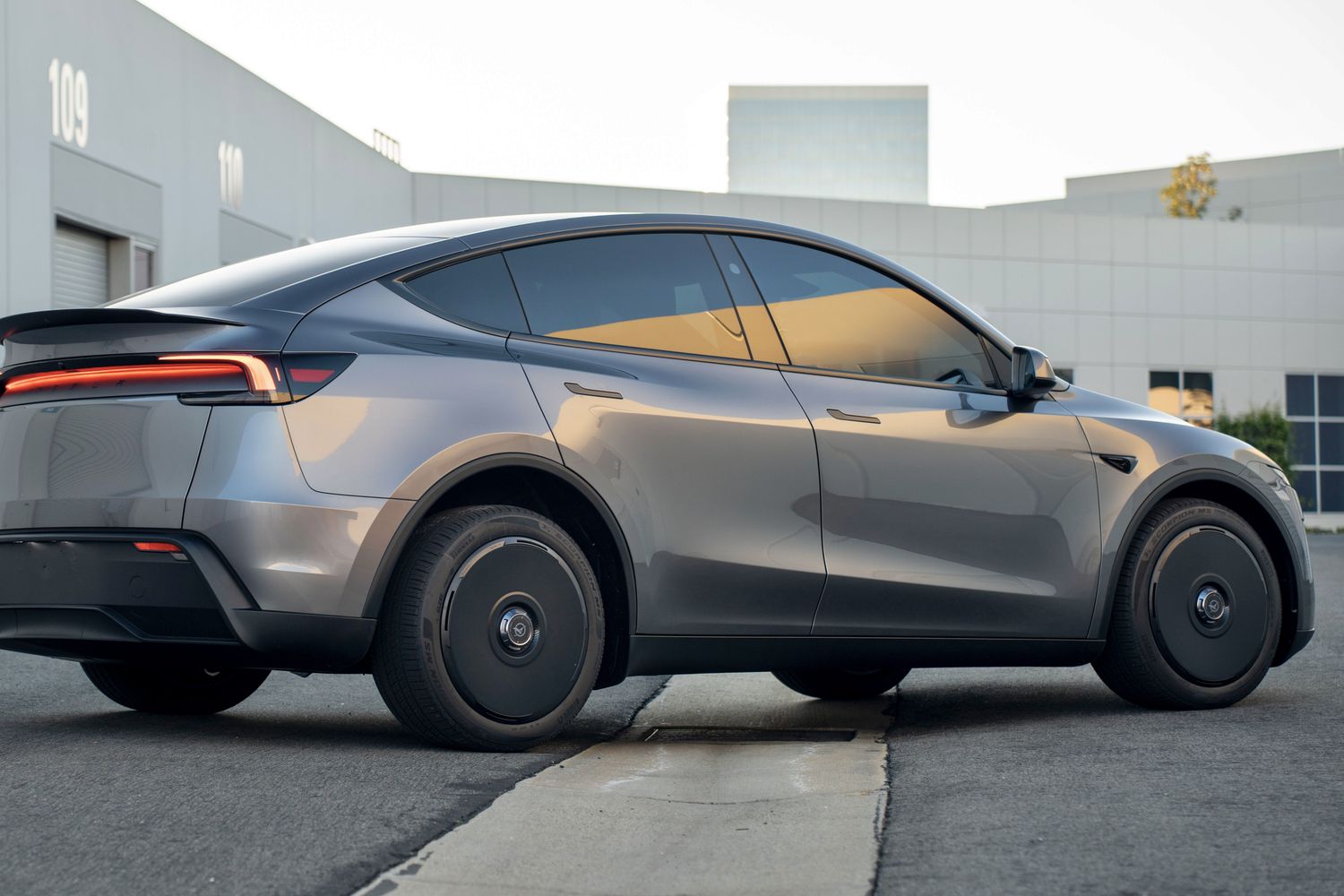
From the factory aero wheels on the Model 3 to aftermarket Tesla aerodynamic wheel covers, the idea is simple—reduce wind resistance at the wheel surface, improve efficiency, and extend driving range. But how exactly do wheel covers fit into Tesla’s aerodynamic strategy, and why does Tesla continue to design around them?
Let’s break it down.
Why Wheels Matter in Aerodynamics
A vehicle’s wheels create more aerodynamic drag than most drivers expect. As the wheel rotates, air hits uneven surfaces, spokes, and gaps, creating turbulence and noise. This increases wind resistance, which directly affects efficiency—especially at highway speeds.
Tesla engineers identified this early on. Instead of relying only on body shape, Tesla optimized airflow around the wheel surface itself. That’s where wheel covers come in.
By smoothing airflow and limiting turbulence, covers help the vehicle move through air more efficiently. Less drag means:
- Improved range
- Lower energy consumption
- Reduced noise during driving
- More consistent real-world performance
Tesla’s Factory Aero Approach
If you’ve owned or seen a Tesla Model 3, you’re already familiar with Tesla’s factory aero wheel setup. These factory wheel covers are not just cosmetic—they’re designed to improve efficiency in measurable ways.
Tesla conducted internal tests and independent reviews have confirmed the results:
- Aero wheels can add several miles of real-world range
- Energy efficiency improves most at higher speeds
- Wind resistance around the wheel area is significantly reduced
The results were strong enough that Tesla made aero covers standard rather than optional on many models.
From Factory to Aftermarket: Why Owners Upgrade
While factory aero covers are efficient, many owners feel they compromise on style. That’s where aftermarket Tesla aerodynamic wheel covers step in.
Modern designs aim to:
- Match Tesla’s aerodynamic goals
- Enhance aesthetics
- Protect the wheel underneath
- Improve ease of installation and removal
Today’s best covers are designed to blend efficiency with visual appeal—something Tesla’s original covers weren’t always expected to do.
Wheel Covers and Efficiency in Real Driving
In real-world driving, efficiency gains may vary, but they’re noticeable over time. Drivers report:
- Slightly better highway efficiency
- Smoother airflow feel at speed
- Reduced wind-related noise
Many reviews and owner feedback point out that wheel covers are one of the simplest efficiency upgrades you can add—especially compared to larger mods.
Tesla’s own testing, along with independent tests conducted by EV reviewers, shows that smoothing airflow around the wheels helps ensure consistent performance across different driving conditions.
Design Details That Actually Matter
Not all wheel covers are equal. The details make a difference.
1. Wheel Surface Coverage
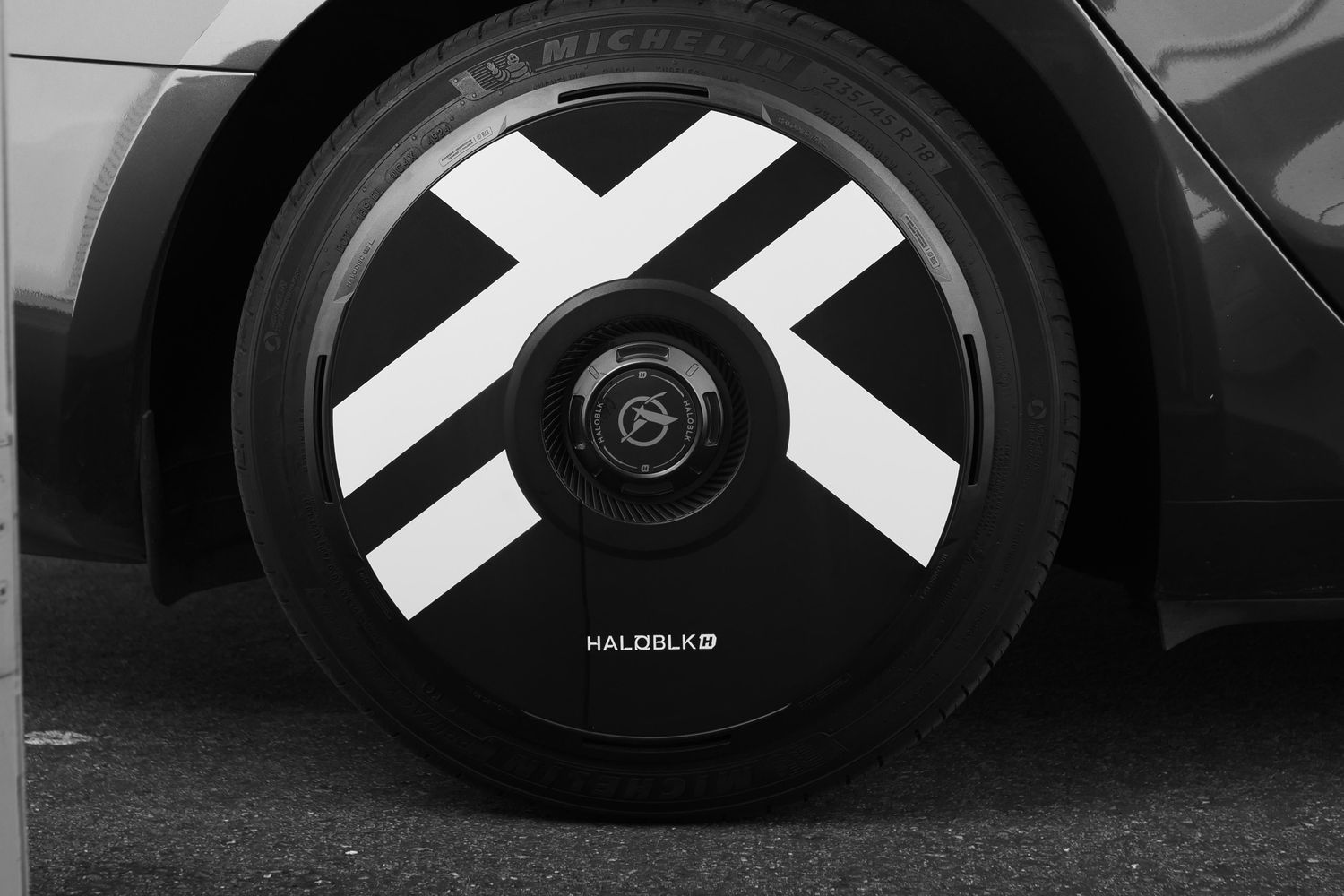
Covers that fully smooth the wheel surface reduce drag more effectively than partial designs.
2. Foam Strips and Fit
High-quality covers use foam strips or internal buffers to ensure a secure fit. This helps prevent vibration, falling, or rattling at speed.
3. Center Locking and Alignment
A strong center mount ensures the cover stays in place even during aggressive driving or sudden impacts.
4. Noise Control
A properly designed cover reduces airflow turbulence, helping lower road noise instead of increasing it.
Protection Is a Bonus Benefit
While aerodynamics are the main goal, wheel covers also protect your wheels.
They help reduce:
- Curb rash
- Surface scratches
- Damage from road debris
- Minor impacts during parking
If you’ve ever clipped a curb, you know how painful that first scrape feels. Covers act as a buffer between the curb and your wheel, absorbing the hit instead of the rim.
Style, Performance, and the Uberturbine Look
Tesla owners care deeply about aesthetics. That’s why many aftermarket designs are inspired by the Uberturbine design, combining performance cues with aggressive styling.
A good cover should:
- Match the Tesla model
- Enhance the vehicle’s overall look
- Feel intentional, not like an afterthought
- Blend efficiency with performance styling
When done right, wheel covers don’t make the car look slower—they make it look more refined and purposeful.
Installation: Easier Than Most People Expect
One reason wheel covers remain popular is that installation is simple.
Most modern designs are:
- Wheel covers easy to install
- Press-fit or clip-based
- Installable without tools
- Easy to remove when needed
Many owners can install a full set in under 10 minutes. Just check alignment, press into place, and you’re ready to go.
If you ever need to remove them—for cleaning, repairs, or switching styles—it takes just as little time.
Are Wheel Covers Worth Adding?
If you care about:
- Efficiency
- Subtle range improvements
- Wheel protection
- Cleaner aesthetics
- Long-term value
Then adding wheel covers is a perfect low-effort upgrade.
They won’t turn a Model 3 into a race car, but they do exactly what Tesla intended—quietly improve efficiency while maintaining everyday usability.
Final Thoughts: A Small Detail With Big Impact
Tesla’s aerodynamic strategy isn’t built around flashy changes. It’s built around hundreds of small, thoughtful decisions—and wheel covers are a prime example.
By smoothing airflow, reducing wind resistance, protecting wheels, and enhancing aesthetics, they hit a rare balance of form and function.
Whether you stick with factory aero or choose an aftermarket design, wheel covers remain one of the most efficient ways to improve your Tesla without changing how it drives—or how you enjoy it.
Sometimes, the smartest upgrades are the ones you barely notice—until you look at your efficiency numbers and realize they’re better than expected.

Leave a comment
All comments are moderated before being published.
This site is protected by hCaptcha and the hCaptcha Privacy Policy and Terms of Service apply.