
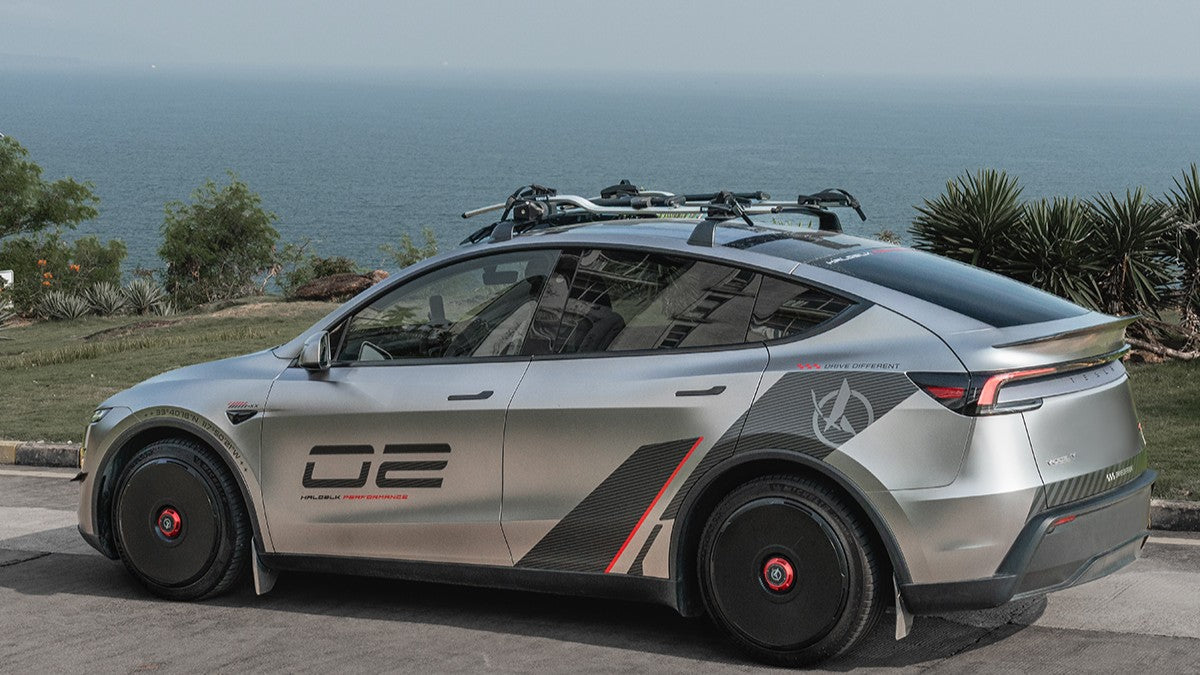
If you have ever wondered why wheel cover aerodynamics at high speed gets so much attention, the answer comes down to something drivers feel every time they merge onto a highway: air resistance becomes much harder to overcome as speed rises.
At low city speeds, aerodynamic wheel covers may make only a modest difference. Once the car reaches sustained highway speeds, however, airflow around the wheel, tire, rim and wheel well becomes much more important. A smoother wheel surface can reduce turbulence, control flow separation and lower the energy the vehicle needs to push through the air.
The short answer: the faster a vehicle travels, the more valuable good wheel aerodynamics can become. That is why aero covers tend to make more sense for drivers who spend significant time on highways, road trips or longer EV commutes.
Why Speed Changes the Aerodynamic Equation
Aerodynamic drag does not rise in a simple one-to-one relationship with speed. The aerodynamic force acting against a moving vehicle increases roughly with the square of vehicle speed.
That means going faster does more than simply create “a little more wind.”
At highway speed, the vehicle has to use substantially more power to overcome air resistance. The body's shape, underbody, mirrors, wheels and even a roof rack can contribute to total drag. Among these areas, rotating wheels are particularly messy from an airflow perspective.
An exposed wheel contains spokes, cavities, a moving tire and openings that repeatedly disturb the surrounding air. These features can generate vortices and flow separation, creating associated drag around the wheel well.
Smooth aerodynamic wheel covers, also known as aero covers, reduce some of that disturbance by giving the wheel a cleaner shape.
What Wheel Covers Actually Change
A good aero wheel cover does more than fully cover a rim for appearance.
By smoothing the wheel face, the cover can reduce the amount of air entering and leaving the wheel cavity. This helps limit what engineers sometimes describe as cavity pumping—the repeated movement of air through openings in the rotating wheel.
Less cavity interaction means fewer chaotic vortices around the wheel.
The result is smoother airflow along the side of the vehicle and a more controlled wheel-well wake. That can contribute to drag reduction, lower wind noise around the wheels and potentially better stability at speed.
The effect applies to both front and rear wheels, although the exact aerodynamic performance depends on the vehicle body, wheel size, tire shape, ride height and overall aero design.
It is also why changing wheels without considering aerodynamics can affect efficiency even when the new wheel does not look dramatically different.
Why Highway Drivers Notice the Bigger Benefit
Consider two drivers using the same EV.
One spends most days moving through city traffic at 25–40 mph. The other regularly drives long straights at 65–75 mph.
For the city driver, acceleration, braking, traffic and tire rolling resistance may dominate energy consumption. Wheel-cover drag reduction still exists, but its contribution to total efficiency is comparatively small.
For the highway driver, aerodynamic drag becomes a much larger part of the energy equation.
That is where smooth wheel covers become more interesting.
Aerodynamic wheel covers are commonly associated with roughly 1%–3% efficiency improvement on regular vehicles, while highway-focused results may reach approximately 2%–4% under suitable conditions. Some supplied test references put reductions in highway energy consumption around 3%–7% with aero covers.
These numbers should not be treated as a guaranteed range increase. Ambient temperature, average speed, tire pressure, wind, wheel design, vehicle weight and driving style can easily affect test results.
The key point is the direction of the effect: as speed increases, reducing drag matters more.
What HALODISC 2 Is Trying to Do Differently
For HALOBLK, aerodynamic performance is only part of the product idea.
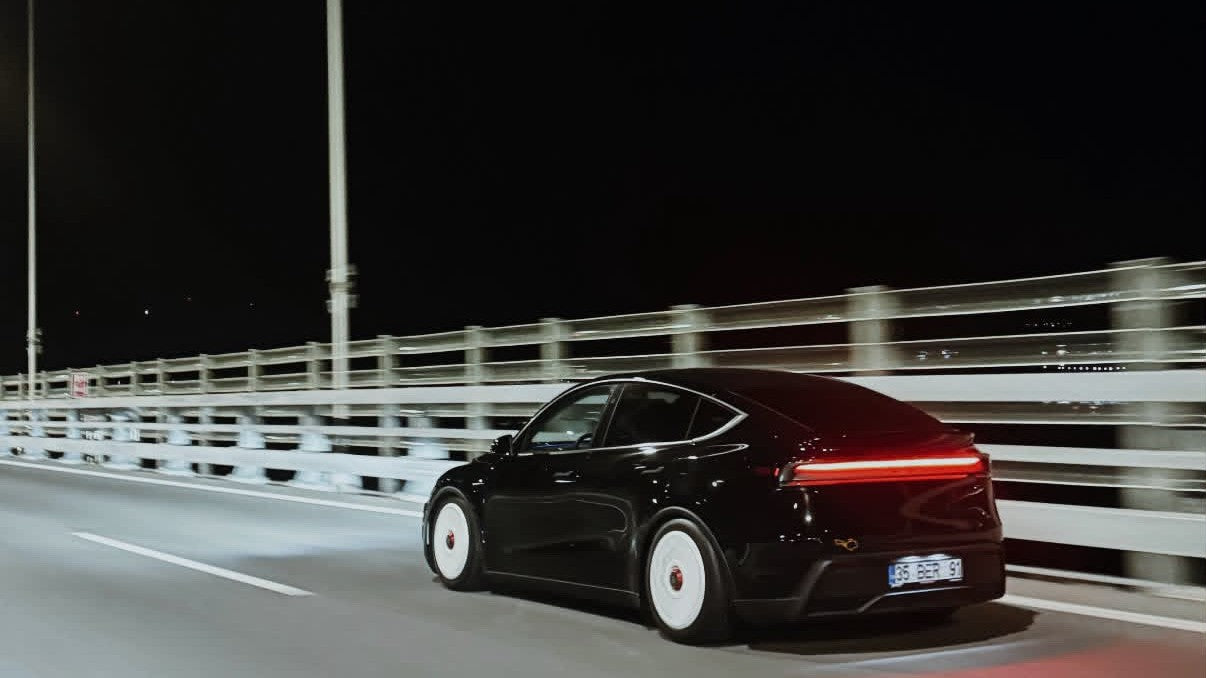
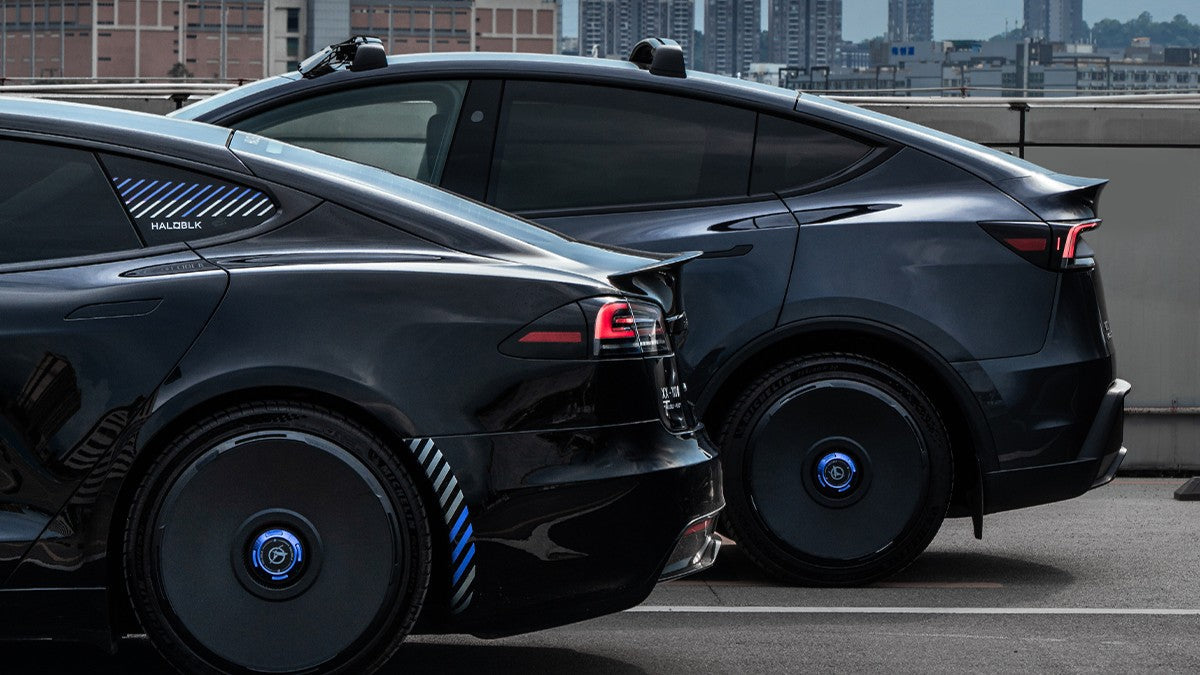
HALODISC 2 uses a smooth, disc-inspired design intended to clean up airflow around the wheel while changing the appearance of the car. HALOBLK states that HALODISC 2 can reduce drag by up to 10% under certain testing conditions. That should be understood as a maximum claimed drag result rather than a guaranteed 10% increase in vehicle range.
That distinction matters.
A reduction in aerodynamic drag does not translate directly into an identical percentage of extra range because the vehicle still spends energy on tires, drivetrain losses, electronics, climate control and other sources.
HALOBLK’s broader appeal is therefore easier to understand when you look at the whole package: aerodynamic shape, rim coverage, easy installation and a more distinctive exterior design.
For a Tesla owner who already likes the factory wheels but wants a different visual character, this is an easy way to make a noticeable change without buying another set of wheels.
Full coverage can also help protect the rim surface from light scratches, everyday wear and minor contact around the wheel edge—one of the most common concerns among urban Tesla owners. That combination of style, protection and DIY convenience aligns closely with the strongest HALOBLK buyer pain points identified in the brand research.
There Is a Trade-Off: Brake Cooling Still Matters
A fully covered wheel is not automatically better in every situation.
Open-spoke wheel designs allow more air to reach the brakes. When a cover restricts airflow through the wheel center, brake cooling can be affected.
For normal commuting and highway cruising, braking loads are very different from aggressive mountain driving or repeated hard braking on a track. Drivers interested in high-performance use should therefore consider cooling requirements rather than focusing only on drag coefficient.
There are other practical trade-offs as well. A cover adds some extra weight, although typically much less than replacing an entire wheel. It also needs a secure fit so that speed, vibration and road impacts do not cause movement.
Correct wheel size and installation matter here. HALOBLK’s own buyer research highlights fitment confidence as a major concern: owners want to know that the covers match their exact Tesla model and wheel configuration before they install them.
So, Does Speed Make Aero Wheel Covers Worth It?
For drivers who mostly make short, low-speed city trips, the efficiency difference may be difficult to notice from one drive to another.
For drivers who regularly spend an hour at highway speeds, the engineering argument becomes much stronger.
Higher speed creates more aerodynamic drag. More drag means the vehicle needs more power. A smoother wheel face reduces one source of turbulence, so its relative benefit grows as aerodynamic resistance becomes a larger part of the vehicle’s total energy consumption.
That does not mean a wheel cover suddenly transforms an EV into a different car.
It means small aerodynamic improvements begin to matter more in exactly the conditions where range-conscious drivers usually care about them most.
And there is something appealing about an upgrade that does not have to choose between engineering and appearance.
If your Tesla spends plenty of time on the highway and you have been curious whether smoother wheel aerodynamics are worth trying, HALODISC 2 gives you a practical place to start: keep your existing wheels, cover and protect the rims, change the look, and see what a cleaner airflow profile feels like on your own regular route.

Featured Tesla Upgrade
HALODISC 2 RTP – Black
From $219 $229
Give your Tesla a cleaner, more distinctive side profile while helping protect the original wheels from everyday curb rash and scratches. Select your Tesla model and wheel size below.
- ✓ Secure center-lock installation
- ✓ Full-rim curb rash protection
- ✓ Set of four wheel covers
- ✓ Fast US shipping on eligible fitments
Not compatible with the 2026 Model 3 Standard 18-inch Prismata, 2026 Model Y Juniper Standard 18-inch Aperture, or 2026 Model Y Juniper 21-inch Arachnid 2.0 wheels.

Leave a comment
All comments are moderated before being published.
This site is protected by hCaptcha and the hCaptcha Privacy Policy and Terms of Service apply.