
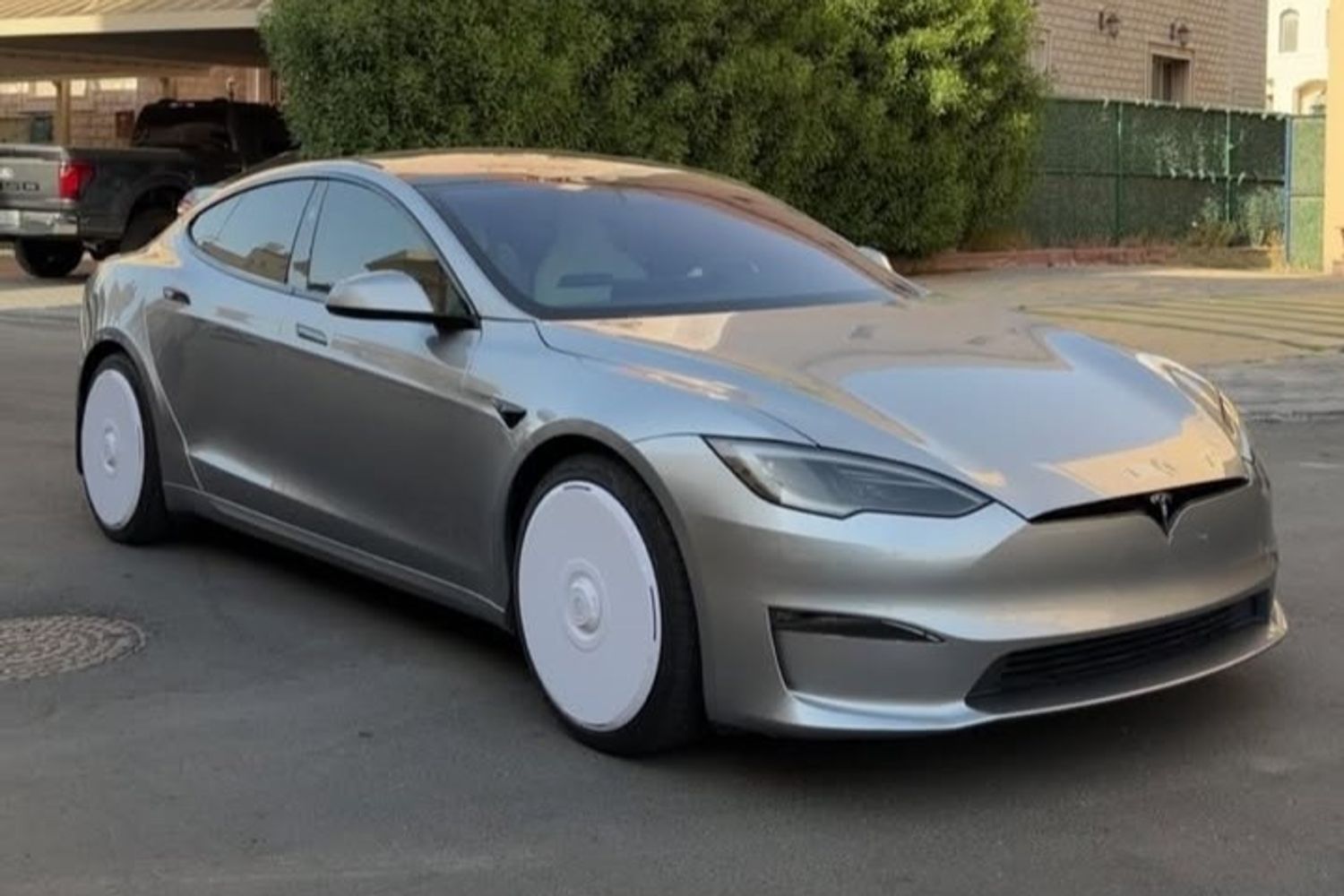
If you drive a Tesla Model 3 daily, you’ve probably already worried about curb rash. It’s one of the most common forms of tesla wheel damage, especially on machine polished alloy wheels or diamond cut finishes where even minute damage becomes obvious.
So let’s answer it properly—with a focus on model 3 wheel covers curb protection and what actually works in real-world driving.
Why Model 3 Wheels Are So Easy to Damage
The reality is simple: most tesla wheels are designed for efficiency and aesthetics, not for absorbing impact.
Key reasons:
- The rim edge often sits slightly outside the tire, increasing risk
- The lacquered wheel surface scratches easily
- Daily driving exposes wheels to curb and pothole damage
Over time, damage occurs not just from one mistake, but from repeated small contacts. That’s how scratches caused by parking turn into visible curb rash.
What Wheel Covers Actually Do for Protection
A good set of wheel covers acts as a first layer of defense.
How they help:
- Create a buffer between the curb and the wheel surface
- Reduce direct impact on the wheel rim
- Hide or reduce visibility of scratches
- Help protect against road damage, dirt, and debris
Many modern covers are highly engineered using durable plastics, designed to offer protection while maintaining a clean look.
For everyday driving, this level of curb rash protection is often enough to prevent most cosmetic damage.
Where Wheel Covers Fall Short
Let’s be clear—wheel covers are not a full rim protector system.
They can:
- Reduce light contact damage
- Protect against small scrapes
- Help during normal use
But they cannot:
- Fully absorb impact damage from hard hits
- Prevent deep grinding along the rim edge
- Eliminate all damage caused by aggressive driving
If you hit a curb hard enough, the force will still transfer to the underlying rim.
Wheel Covers vs Rim Protectors (Important Difference)
This is where many Tesla owners get confused.
Wheel covers:
- Focus on style + partial protection
- Cover most of the visible wheel surface
- Easy to install and replace
Alloy wheel rim protectors:
- Focus purely on rim protector performance
- Sit directly on the rim edge
- Designed specifically for curb rash protection
Products like AlloyGator use:
- Blended super tough nylon
- Joining clips stainless steel
- Advanced designs with matrix nylon certifications
They are physically installed around the rim and sometimes described as physically integrated with the wheel system.
That’s why you’ll often see discussions about installing AlloyGator wheel protectors alongside wheel covers.
Can You Combine Both for Better Protection?
Yes—and this is actually one of the best setups.
Combined setup:
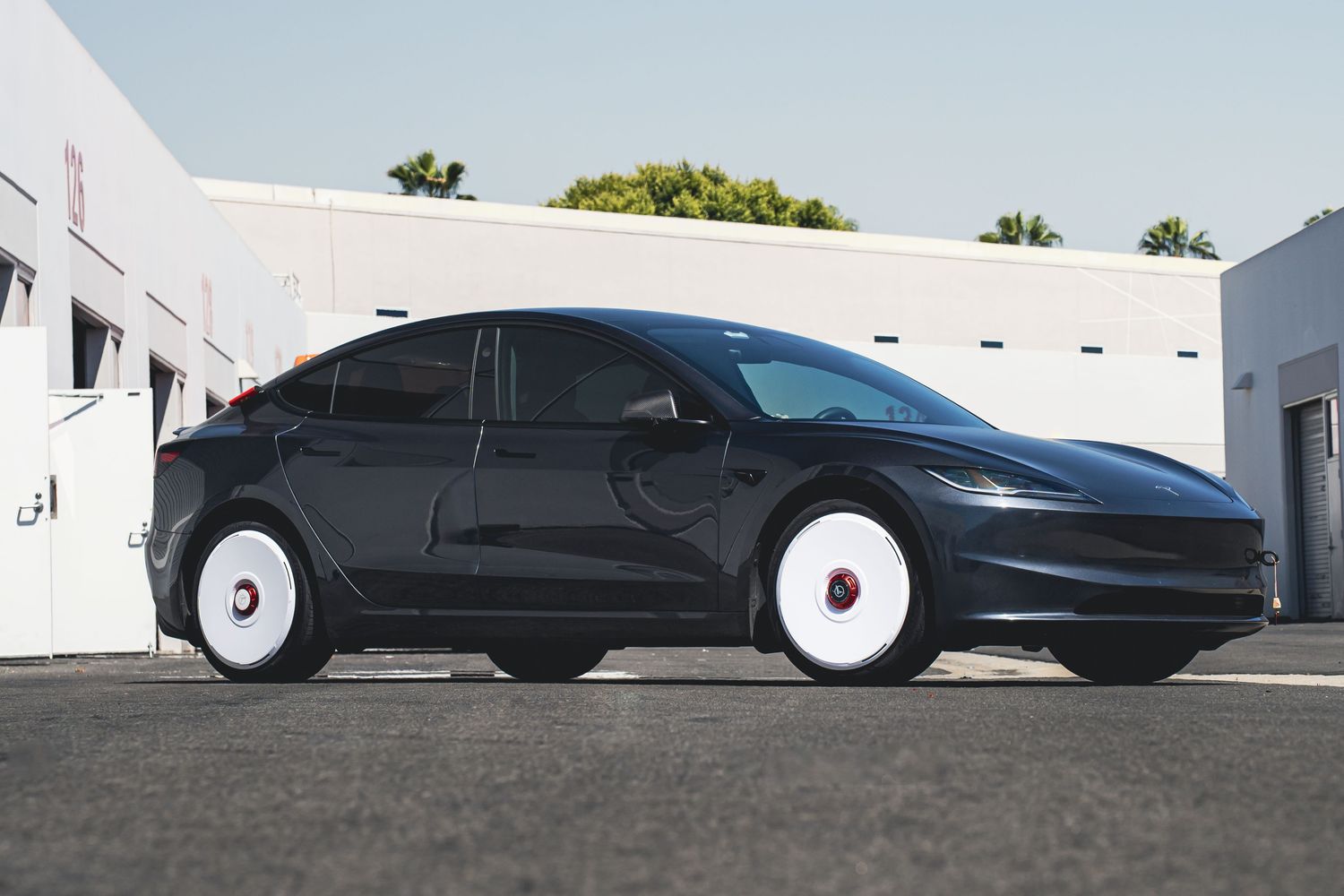
- Wheel covers → protect the face and improve style
- Alloy wheel rim protectors → protect the outer rim edge
This combination:
- Reduces curb rash risk significantly
- Helps cover both light and moderate impact damage
- Improves long-term durability of alloy wheels
Many Tesla owners treat this as one of the most practical recommended add ons.
Fitment and Installation: Critical for Real Protection
Even the best products won’t work if poorly installed.
Watch out for:
- Incorrect fitting causing gaps
- Incorrect fitment for 18 19 20-inch wheels
- Loose covers that shift under pressure
A properly installed set should:
- Snap into place with a secure fit
- Sit flush against the wheel
- Not expose the rim edge unnecessarily
Most wheel covers are super easy to install, with minimal tools required.
Real-World Conditions That Affect Protection
Long-term protection isn’t just about installation—it’s also about environment.
Common factors:
- Extreme heat can weaken lower-quality plastics
- Moisture corrosion may develop under poorly fitted covers
- Cold or other damage from winter conditions can affect materials
- Exposure to chemicals may cause hazardous liquid damage
These conditions can accelerate damage if the product quality is low.
What Happens Over Time (Long-Term Reality)
After months of driving, Tesla owners typically notice:
- Covers absorb scratches instead of the wheel
- Some wear appears on the cover, not the rim
- Dirt accumulates near the tire valve and edges
- Occasional removal is needed for cleaning
This is actually a good thing—the cover acts as a sacrificial layer.
Warranty, Replacement, and Product Considerations
When buying protection products, details matter.
Look for:
- Brands offering replacement parts free
- Clear care advice warranty terms
- Coverage for faulty manufacture (not misuse)
For example, AlloyGator Limited accepts claims only under proper conditions—not incorrect operation or inappropriate use.
Always read:
- Warranty limitations
- What counts as fault created vs normal wear
- Whether damage from installation is covered
Are Wheel Covers Enough on Their Own?
For many drivers, yes—especially if:
- You drive carefully
- You mostly deal with light parking situations
- You want better appearance + basic protection
But if you frequently:
- Park in tight spaces
- Drive in cities
- Encounter rough roads
Then adding a wheel protector or rim protector system increases confidence knowing your wheels are better protected.
Final Verdict
So, do wheel covers help protect your Model 3 from curb rash?
Yes—but they are only part of the solution.
They:
- Help protect the wheel surface
- Reduce visible scratches
- Improve both style and protection
- Provide meaningful curb rash protection in daily driving
But they don’t fully replace dedicated rim protector systems.
Bottom Line
If you want a practical setup for your Tesla:
- Use wheel covers for style + general protection
- Consider alloygator wheel protectors for serious rim defense
- Ensure proper installation to avoid incorrect fitting issues
That way, you can drive your tesla model 3 with less stress—
and enjoy every mile with real confidence knowing your wheels are protected.


Leave a comment
All comments are moderated before being published.
This site is protected by hCaptcha and the hCaptcha Privacy Policy and Terms of Service apply.