
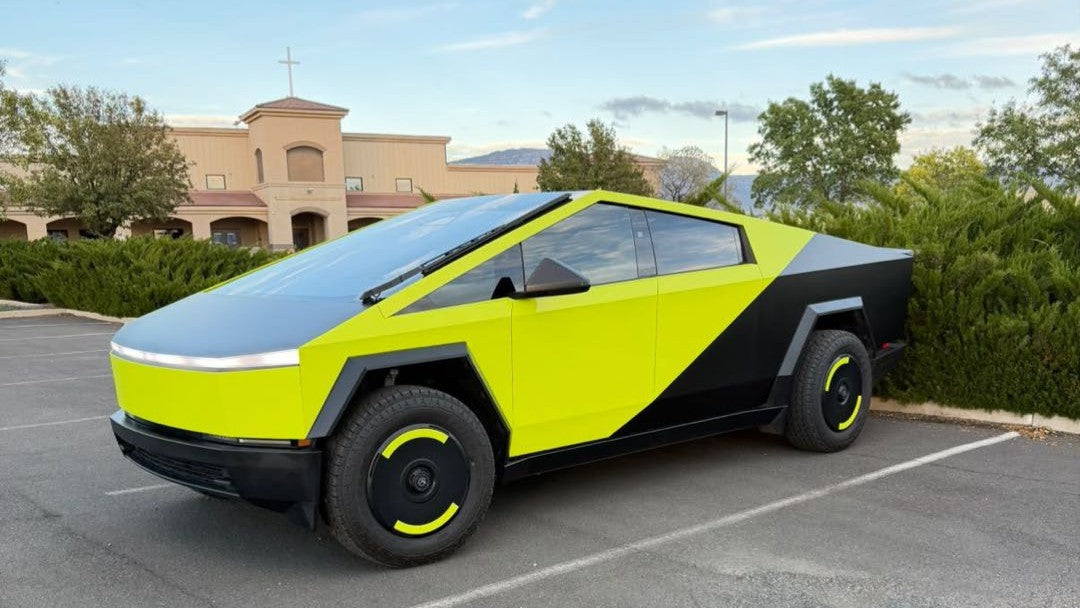
One bad parking angle can leave a mark on wheels you've barely had time to enjoy. If you own a Tesla Cybertruck, you've probably wondered whether rim protectors or wheel covers make more sense.
The short answer: rim protectors guard the outer edge of the rim, while wheel covers shield more of the wheel face and can change its appearance. Both can help with minor scratches, but neither makes your wheels curb-proof.
And if you're thinking about cyber wheel covers, there's another important factor: fitment. Your factory wheels, tires, and driving habits all play a part.
Wheel Covers vs Rim Protectors vs Wheel Caps: What's the Difference?
It's easy to confuse these accessories because they all attach somewhere around your wheels. But they don't protect the same areas.
|
Feature |
Wheel Covers |
Rim Protectors |
Wheel Caps |
|---|---|---|---|
|
Coverage |
Most of the wheel face |
Outer rim edge |
Center hub and sometimes lug nuts |
|
Main benefit |
Broader protection and styling |
Targeted curb protection |
Clean center appearance |
|
Aerodynamics |
May improve airflow |
Minimal effect |
Minimal effect |
|
Factory appearance |
Significantly changes the look |
Mostly unchanged |
Keeps spokes visible |
|
Installation |
Wheel-specific mounting system |
Precise edge fitting |
Usually snap-fit |
|
Maintenance |
Cleaning behind the covers |
Checking attachment |
Checking cap security |
A rim protector is a relatively subtle addition. Wheel caps are smaller still: Cybertruck wheel caps usually sit at the center hub, sometimes covering the lug nuts.
Full wheel covers are the more noticeable option because they change how the entire wheel looks.
That distinction matters when deciding which upgrade is right for your Cybertruck.
What Do Cybertruck Rim Protectors Actually Protect?
Picture pulling into a tight parking spot after a long day. You misjudge the curb by an inch, and the edge of the rim brushes against concrete.
That's exactly the kind of light contact a rim protector is designed to handle.
Most rim protectors follow the outer lip of the alloy wheel. Because they don't cover the spokes or the center hub, you keep the factory appearance of your Core Wheels or other Cyber wheels.
They're a sensible choice if you like the original design of your wheels and want an extra layer of protection around the rim.
However, that protection has limits.
A rim protector won't prevent scratches elsewhere on your wheels. Strong curb contact can still cause damage, even with a protector installed.
Adhesive-backed designs also require careful installation. If dirt, moisture, or poor alignment affects adhesion, the protector may come loose.
Some designs may need to be removed or replaced during tire changes, adding another consideration to regular maintenance.
So, if you're mainly worried about scratching the outer rim while parking, rim protectors make sense. Just don't expect them to protect the entire wheel.
Why Full Wheel Covers Offer More Than Rim Protection
Cyber wheel covers take a different approach.
Instead of outlining the rim, these wheel covers extend across much of the visible wheel surface. More of the spokes sit behind a protective layer, helping shield covered areas from everyday dust, light scratches, and road debris.
That's one reason full wheel covers appeal to owners who want broader protection.
But there's another benefit that's hard to ignore: style.
The Tesla Cybertruck already has sharp body lines and a futuristic design. Smooth cyber wheel covers can create a cleaner side profile, making the wheels feel more connected to the truck's overall appearance.
Some owners love seeing the factory spokes of their Cyber wheels. Others prefer the bold, enclosed look of aftermarket wheel covers.
Neither choice is wrong.
A full wheel cover can also influence how air passes over rotating wheels. Compared with small center caps, a more enclosed surface may create smoother airflow and improve aerodynamic efficiency during highway driving.
However, wheel covers don't automatically increase range. Actual results depend on driving speed, wind, tires, and the specific wheel cover design.
There's also a maintenance trade-off. Dirt and moisture can collect behind wheel covers. If debris becomes trapped, it may cause rubbing or scratches on the alloy underneath.
That's why regular cleaning and inspection are important, even when you're using protective covers.
Core Wheels vs Cyber Wheels: Why Compatibility Matters
Here's something that often gets overlooked when buying Cybertruck accessories: not all factory wheels use the same mounting design.
Tesla offers different wheel configurations, including 20-inch Core Wheels and 20-inch Mantle Wheels.
Even when Cyber wheels share the same diameter, their spokes, center hub, and mounting points can differ.
That means wheel covers designed to fit Core Wheels shouldn't automatically be considered compatible with every other factory wheel.
Before you pick cyber wheel covers, check three things:
1. Your factory wheel design
Identify whether your Tesla Cybertruck has Core Wheels, Mantle Wheels, or another factory configuration. Different Cyber wheels can require different covers.
2. The wheel size
Don't rely on the vehicle model alone. Confirm the wheel diameter and compare it with the product's supported fitment.
3. The mounting system
Some wheel covers use retaining clips or tabs, while others use a dedicated locking mechanism. The correct hardware is essential for a secure installation.
The same principle applies to wheel caps.
A snap-fit cap needs correctly positioned tabs to attach to the center hub. Being able to push a cap against the wheel doesn't necessarily mean it will stay secure during driving.
If you're unsure whether certain cyber wheel covers fit Core Wheels, compare the product photos with your original wheels or contact the seller.
It's a simple check that can prevent an expensive ordering mistake.
Can Cyber Wheel Covers Improve Range and Efficiency?
This is one area where wheel covers and rim protectors work very differently.
A rim protector adds material around the outer edge but leaves most of the wheel surface exposed.
Because it doesn't significantly change airflow around the spokes, meaningful aerodynamic gains are unlikely.
Cyber wheel covers with a more enclosed surface have greater potential to influence airflow.
As the wheels rotate, air moves around openings, spokes, and the center hub, contributing to turbulence.
Smoother wheel surfaces can help reduce that turbulence and potentially lower aerodynamic drag.
For a Tesla Cybertruck owner who spends a lot of time driving on highways, this may offer an efficiency advantage.
But here's the important part: not all wheel covers deliver the same aerodynamic performance.
A design that performs well on one set of Cyber wheels may behave differently on another configuration.
Tire type, wind direction, driving speed, and road conditions can all affect the result.
If range matters to you, look for testing information rather than relying on a fixed percentage.
Wheel covers can be a practical aerodynamic upgrade, but they shouldn't be treated as a guaranteed way to increase driving range.
Installation and Maintenance: How to Keep Wheel Covers Secure
Whether you install rim protectors, wheel caps, or full wheel covers, taking a few extra minutes to check the fit makes sense.
For rim protectors, start with a clean, dry rim. Follow the installation instructions and make sure the protective strip sits evenly around the wheel.
If an adhesive edge begins lifting, stop and address the problem before driving.
For snap-fit wheel caps, align the tabs and push the cap into place as instructed. Check that the center hub cap is secure and doesn't move unexpectedly.
Full cyber wheel covers require a little more attention because their mounting systems can vary.
According to Tesla's Cybertruck Owner's Manual, factory wheel covers must be removed to access the valve stem and lug nuts.
When removing the factory covers, make sure any separate mounting ring or lug nut cover is also removed.
For factory cover installation, Tesla instructs owners to secure all required mounting points and check that the cover is fully seated before driving.
Aftermarket cyber wheel covers may use different installation systems, so always follow the instructions for the specific product.
If you hear rattling, notice rubbing, or discover a loose cap or cover, stop and inspect the installation.
Regular maintenance is equally important.
Remove the wheel covers when instructed, clear trapped dirt, inspect the center hub and mounting hardware, and check the tires.
A properly installed set should stay secure during normal use, but periodic inspection is still a good habit.
Which Should You Choose for Your Cybertruck?
It depends on what bothers you most about your current wheels.
If you love the design of your Core Wheels and mainly want protection against minor parking scratches, rim protectors are a reasonable choice.
They preserve the factory appearance while focusing protection around the vulnerable outer rim.
If you simply want the center of your wheels to look more finished, wheel caps might be enough.
They cover the hub area and, depending on the design, may conceal the lug nuts while leaving the spokes visible.
But if you want broader coverage and a noticeable style change, cyber wheel covers are the stronger option.
These covers help shield more of the original wheel face, create a distinctive appearance, and may offer aerodynamic benefits.
Of course, there's a trade-off. With larger wheel covers, you'll need to pay more attention to compatibility, installation, and cleaning.
For many owners, the decision comes down to one question:
Do you just want to protect the factory wheels, or would you also like to change how they look?
If you're thinking about both, a full-disc design is worth exploring.
Meet HALOBLK HALODISC 2 for Tesla Cybertruck
If you're looking for a wheel upgrade that does more than cover the outer rim, HALOBLK's HALODISC 2 offers a different approach.
Designed for selected Tesla Cybertruck wheel configurations, HALODISC 2 combines an enclosed disc appearance with a Cybertruck-specific center-lock mounting system.
The idea is straightforward: protect more of the visible wheel face while creating a cleaner, more distinctive appearance.
Unlike small wheel caps that leave the spokes exposed, HALODISC 2 changes the overall appearance of the wheels without requiring you to replace the original alloys.
There are also different styles to consider.
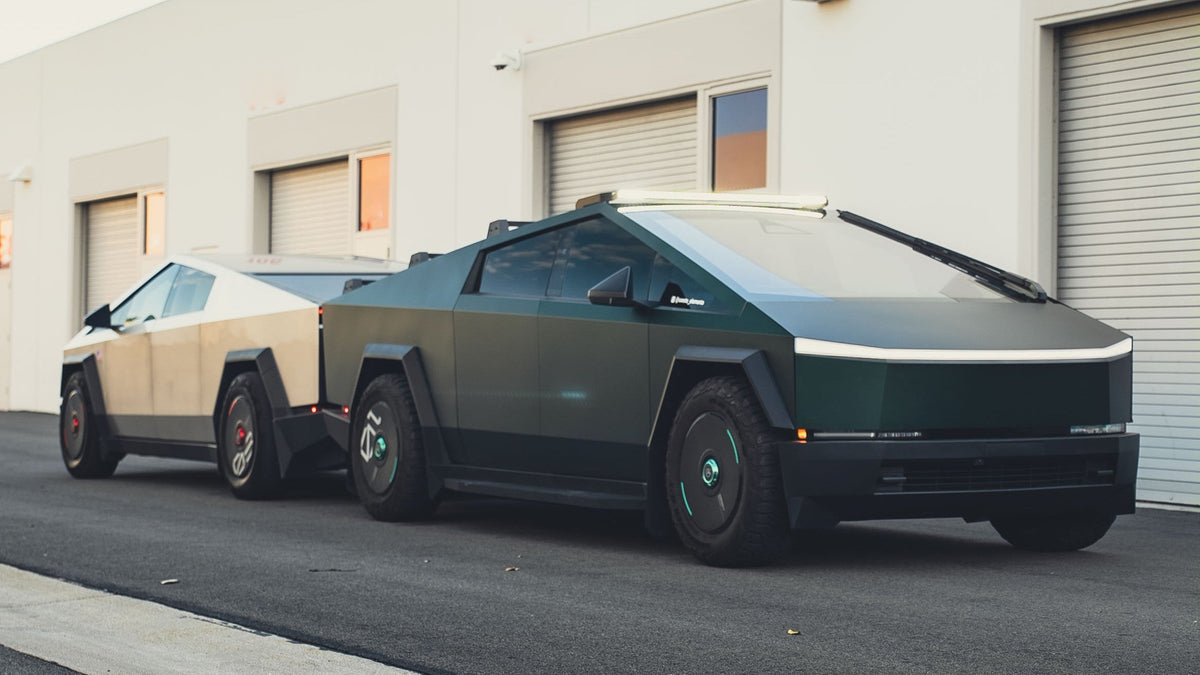
HALODISC 2 RTP Black
The RTP Black edition offers a clean, minimalist appearance.
Its enclosed black surface complements the Cybertruck's geometric body design, making it a good option for owners who prefer an understated look.
HALODISC 2 Custom Numbers Series
For owners who want something more personal, the Custom Numbers Series offers selectable numbers, color accents, and optional text customization.
It's an opportunity to create a look that feels unique to your truck without purchasing an entirely new set of wheels.
Both styles are part of HALOBLK's Cybertruck offering, but compatibility must be verified for your exact factory wheel configuration.
HALODISC 2 is designed for normal street use. Like other protective accessories, it can help reduce exposure to minor scrapes but cannot prevent every type of rim or tire damage.
If you enjoy the Cybertruck's futuristic character but want a different wheel design, HALODISC 2 is worth a closer look.
Explore HALOBLK HALODISC 2 Cybertruck Wheel Covers
Can You Check Tire Pressure With Wheel Covers Installed?
For Tesla's factory Cybertruck wheel covers, the owner's manual instructs drivers to remove the cover to access the valve stem and lug nuts.
If the wheel cover uses a separate mounting ring or cap, remove the necessary components as directed.
Once the cover is removed, you can reach the valve stem to fill your tires.
Aftermarket wheel covers may have different access arrangements, so check the specific product instructions rather than assuming every cover works the same way.
This is worth considering before buying because regular tire maintenance should remain convenient and safe.
Ready to Give Your Cybertruck Wheels a Different Look?
Rim protectors make sense when you already love the factory appearance and only want protection around the outer edge.
But wheel covers offer something different: broader coverage, a more noticeable design change, and potential aerodynamic advantages.
You don't need to replace your factory wheels to make a meaningful visual upgrade.
Sometimes, changing the wheel covers is enough to give your Cybertruck an entirely different character.
Take another look at your truck from the side.
Would you rather keep the factory spokes on display, or give your wheels a cleaner, more distinctive finish?
If you're leaning toward the second option, explore HALOBLK HALODISC 2 for Cybertruck and find a design that matches your style.
Just make sure to confirm compatibility with your factory wheels before ordering.
Your Cybertruck already stands out. Why not give its wheels a look that's just as distinctive?


Laisser un commentaire
Tous les commentaires sont modérés avant d'être publiés.
Ce site est protégé par hCaptcha, et la Politique de confidentialité et les Conditions de service de hCaptcha s’appliquent.