
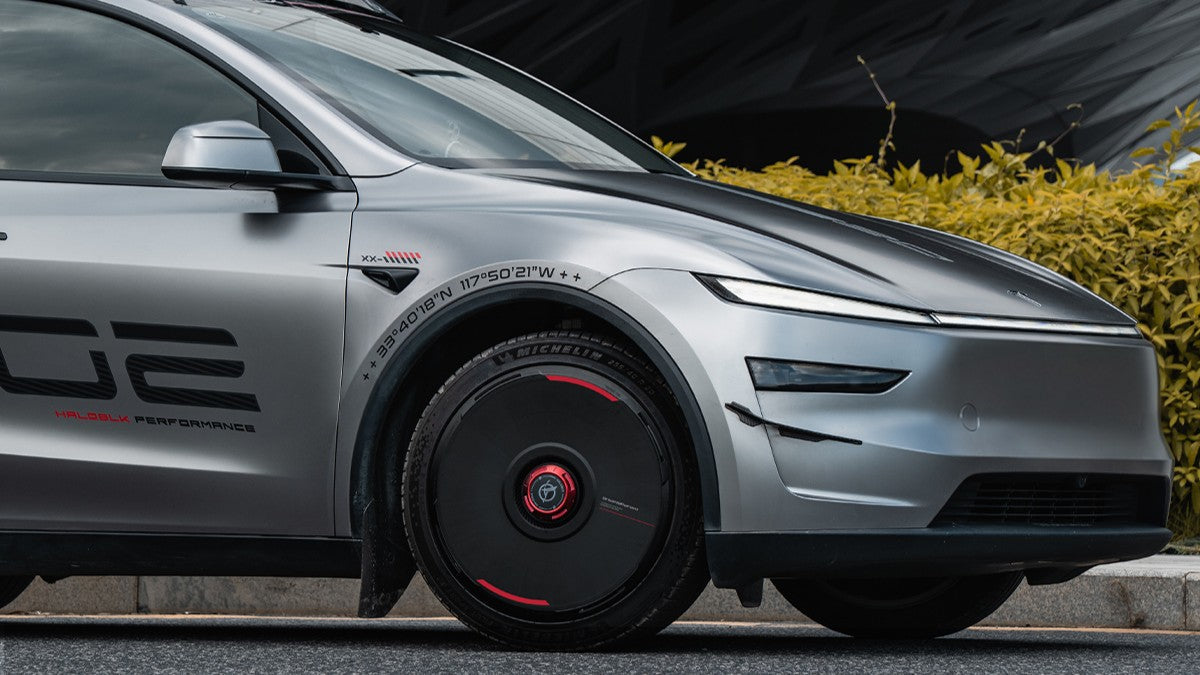
Tesla Model 3 Hubcaps vs Wheel Covers: What’s the Difference?
If you are shopping for a wheel upgrade for your Tesla Model 3, you have probably seen the words “hubcaps,” “wheel covers,” and “aero covers” used almost interchangeably.
That can make things confusing.
So, what is the real difference when comparing Tesla Model 3 hubcaps vs wheel covers?
Short answer:
In everyday use, hub caps and full wheel covers often describe products that cover most or all of the wheel face. Center caps, by comparison, only cover the center hub area and leave most of the alloy wheel exposed.
For Tesla owners, the bigger decision is usually not the name of the product. It is whether you want full coverage, better rim protection, improved aerodynamics, or a more open and sporty wheel style.
Here is what you should know before choosing.
Tesla Model 3 Hubcaps vs Wheel Covers: Quick Comparison
|
Feature |
Full Hubcaps / Wheel Covers |
Center Caps |
|---|---|---|
|
Wheel coverage |
Most or all of wheel face |
Center hub only |
|
Rim protection |
Better |
Minimal |
|
Aerodynamics |
Can reduce drag |
Little effect |
|
Style options |
Wide variety |
Exposes factory wheels |
|
Brake dust visibility |
Lower |
Higher |
|
Cleaning |
Requires periodic removal |
Easier |
|
Range benefit |
Possible at highway speeds |
Minimal |
|
Best for |
Protection, efficiency, customization |
Sporty factory look |
For most Model 3 owners, wheel covers and full-size hubcaps sit on the same side of the comparison: they cover more of the wheel than a simple center cap.
What Are Tesla Model 3 Wheel Covers?
Tesla wheel covers fit over the original wheels rather than replacing them.
The rims underneath remain installed, which means you can dramatically change your car's style without buying new wheels or tires.
Factory OEM covers, aftermarket wheel covers, and Tesla's aero wheel covers all use this basic concept.
A good wheel cover can provide several benefits:
- change the vehicle's appearance
- protect the rim edge
- hide existing scratches
- reduce visible brake dust
- shield the wheel from road debris
- improve aerodynamics
- provide a more seamless fit when custom designed for the correct wheel
For Tesla owners who want a simple visual upgrade, this makes wheel covers an attractive middle ground between leaving the factory wheels exposed and replacing the entire wheel set.
What Are Hubcaps?
Traditionally, the term “hubcap” referred to a cover placed around the wheel hub.
Today, however, hubcaps often cover most or all of the wheel face.
That means many modern Model 3 hubcaps are effectively full wheel covers.
The terminology can vary depending on the manufacturer, but the buying decision should focus on coverage, fitment, durability, and protection rather than the product label.
If a product covers the entire wheel face and extends toward the rim edge, it will generally offer more protection than a small cap around the center.
What About Center Caps?
Center caps are different.
A center cap only covers the center hub area of the wheel.
The spokes, rim edge, lug nuts, and most of the factory wheel remain visible.
Some kits also include covers for the lug nuts, helping create a cleaner finished look once the original aero covers are removed.
Center caps are popular because they give exposed alloy wheels a more sporty appearance.
They also make maintaining the wheel easier because there is no large plastic cover sitting over the wheel face.
If you prefer seeing your original wheels, center caps may be the better choice.
But they provide much less rim protection.
Which Option Protects Tesla Rims Better?
Full-size wheel covers have the clear advantage.
A full cover creates an extra protective layer over much of Tesla's wheels.
This can help protect against:
- curb scratches
- light scuffs
- road debris
- dirt
- minor parking contact
- cosmetic wear
Some full wheel covers extend close to the rim edge, helping reduce direct contact between the curb and the Tesla rims.
Center caps cannot provide the same level of protection because most of the wheel remains exposed.
For drivers who frequently park near curbs or navigate tight parking garages, full coverage may offer more practical value.
Can Aero Wheel Covers Improve Range?
Yes, under the right conditions.
An exposed rotating wheel creates turbulence as air moves around the spokes and tires.
An aerodynamic design helps smooth airflow around the wheel, which can reduce drag.
At highway speeds, even small aerodynamic improvements can contribute to better energy efficiency.
Some aero wheel cover setups may improve driving range by roughly 3% to 5% under favorable conditions.
The exact difference depends on:
- speed
- wind
- tire pressure
- wheel design
- temperature
- driving conditions
- vehicle configuration
That means a 3% to 5% improvement should not be treated as guaranteed extra range.
The benefit is usually more noticeable at high speeds, where aerodynamic drag matters more.
For Tesla owners focused on maintaining battery efficiency, choosing aerodynamic wheel covers can make more sense than leaving the wheel completely exposed.
Why Wheel Design Matters for the Model 3
The Tesla Model 3 has changed over the years, and newer versions have different factory wheel designs.
That is why a wheel cover should be custom designed for the specific model, generation, and wheel size.
For example, a Model 3 Highland 18-inch Nova Style wheel cover can give the newer Model 3 a more modern aesthetic while preserving the original wheels underneath.
A Model 3 19-inch Uberturbine-style wheel cover can create a more performance-oriented look while adding coverage around the wheel and rim edge.
The important thing is proper fitment.
A seamless fit is not only about appearance. Incorrectly fitted covers may move, vibrate, or create unnecessary wear.
Always confirm your exact Tesla model and factory wheel before installation.
Wheel Covers Can Hide Existing Wheel Damage
Another advantage of full wheel covers is that they can conceal existing cosmetic wear.
If your alloy wheels already have light curb scratches or discoloration, a full cover can hide much of that damage while changing the overall look of the car.
That does not mean a cover should be used over a structurally damaged wheel.
Cracks, bends, tire damage, or serious vibration should always be inspected before driving.
But for cosmetic scratches, covers can give the vehicle's appearance an instant refresh without immediately refinishing or replacing the wheel.
What About Brake Cooling?
One common question is whether full wheel covers affect brake cooling.
Wheel covers change airflow around the wheel, so the design matters.
For normal street driving, a properly designed wheel cover should account for airflow and brake heat.
Drivers doing repeated heavy braking, aggressive mountain driving, or track-style driving should pay more attention to brake temperatures and product-specific guidance.
For everyday commuting, the goal is to balance aerodynamic performance with appropriate airflow around the brakes.
Do Wheel Covers Require More Maintenance?
Yes, slightly.
Full covers hide brake dust, dirt, and road grime very well from the outside.
But dirt and moisture can collect underneath.
Over time, trapped debris between the cover and alloy wheel may contribute to small scratches if the wheel is never cleaned.
For that reason, wheel covers are not completely maintenance free.
Occasional removal and regular cleaning are recommended.
Clean both:
- the inside of the cover
- the factory wheel underneath
Center caps are easier in this respect because most of the wheel stays exposed and can be washed normally.
Where HALOBLK Fits In
HALOBLK offers aftermarket wheel covers designed specifically for Tesla customization.
The HALODISC 2 lineup gives Model 3 owners a way to keep their original wheels while changing the entire wheel appearance.
Styles such as HALODISC 2 RTP are designed for drivers who want a more aggressive, premium look while adding broader coverage over the factory wheel.
For owners who want something more distinctive than standard OEM covers, this approach combines:
- style customization
- rim protection
- aerodynamic coverage
- easy installation
- a modern, sleek design
Instead of paying the cost of replacing all four wheels, you can keep the factory setup underneath and simply change what people see.
Hubcaps or Wheel Covers: Which Should You Choose?
Choose full wheel covers if your priority is:
- better protection
- less visible brake dust
- aerodynamic efficiency
- hiding cosmetic scratches
- changing the vehicle's appearance
- maintaining a sleek design
Choose center caps if you:
- prefer exposed alloy wheels
- want easier cleaning
- like a sporty appearance
- want minimal added weight
- do not need much rim protection
And you can always switch.
Some Tesla owners use full aero covers for longer highway drives and choose exposed wheels with center caps when appearance matters more than efficiency.
The Bottom Line
When comparing Tesla Model 3 hubcaps vs wheel covers, the terminology matters less than the amount of coverage.
Full hubcaps and wheel covers protect more of the wheel, offer greater style customization, and can help improve aerodynamics at speed.
Center caps leave most of the wheel exposed, making them easier to clean and giving the Model 3 a sportier factory appearance—but with much less protection.
If you want to change your Model 3's look without replacing the original wheels, full aftermarket wheel covers offer a practical balance of style, protection, durability, and efficiency.
And if you want something more distinctive than the factory setup, explore HALOBLK HALODISC 2 options for your Tesla Model 3. Confirm your wheel fitment, choose the style that matches your car, and see how much the right wheel cover can change the whole picture.

Featured Tesla Upgrade
HALODISC 2 RTP – Black
From $219 $229
Give your Tesla a cleaner, more distinctive side profile while helping protect the original wheels from everyday curb rash and scratches. Select your Tesla model and wheel size below.
- ✓ Secure center-lock installation
- ✓ Full-rim curb rash protection
- ✓ Set of four wheel covers
- ✓ Fast US shipping on eligible fitments
Not compatible with the 2026 Model 3 Standard 18-inch Prismata, 2026 Model Y Juniper Standard 18-inch Aperture, or 2026 Model Y Juniper 21-inch Arachnid 2.0 wheels.


Leave a comment
All comments are moderated before being published.
This site is protected by hCaptcha and the hCaptcha Privacy Policy and Terms of Service apply.