
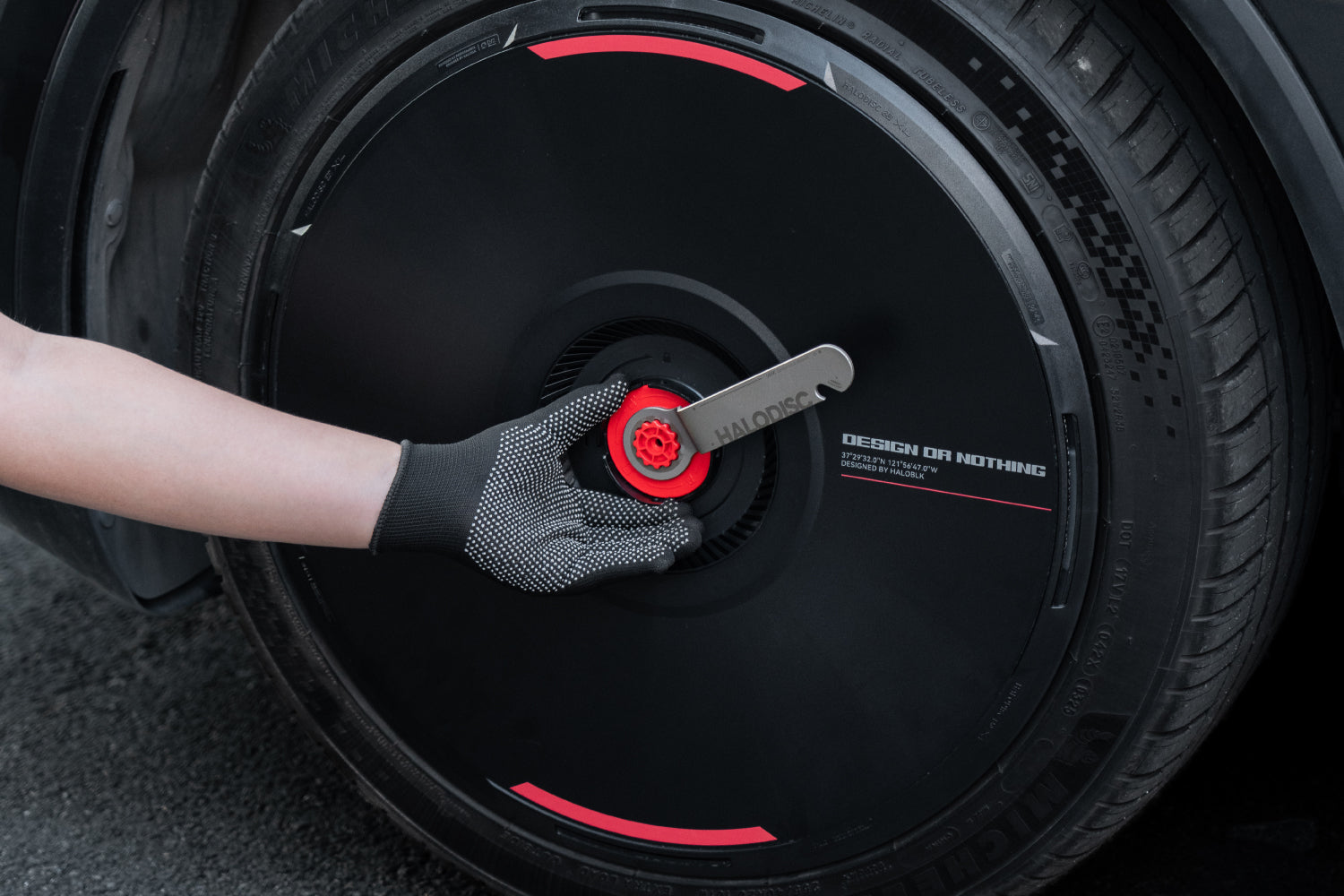
For most Tesla owners, wheels are one of the first things people notice—and one of the easiest places to gain (or lose) efficiency, protection, and style.
Factory aero covers, aftermarket wheel covers, range claims, fitment charts, DIY installation videos… it’s a lot.
This guide is designed as an evergreen handbook for Tesla wheel covers:
-
What they are
-
How they affect range & aero efficiency
-
How to choose the right fitment for your model
-
How to install and maintain them safely
If you want a single article that helps you make a confident decision about Tesla wheel covers, this is it.
-
What Are Tesla Wheel Covers? From OEM Aero to Aftermarket Design
1.1 Wheel Covers vs Wheels: Getting the Basics Right
Before we talk upgrades, it’s worth clarifying the terminology:
-
Wheel / rim: the metal structure that the tire mounts onto (usually aluminum alloy on Teslas).
-
Wheel cover / aero cover / hubcap: a separate piece that clips or locks onto the wheel face.
On many Tesla models, especially Model 3 and Model Y, you’ll see relatively simple alloy wheels paired with removable aero covers. Remove the cover and you’ll find a more traditional-looking alloy underneath.
The key idea: the wheel is structural. The wheel cover is an aero + protection + aesthetic layer on top.
1.2 Why Tesla Uses Aero Wheel Covers from the Factory
Tesla didn’t add aero covers purely for design reasons.
The factory Aero wheel covers are mainly designed to:
-
Reduce aerodynamic drag around the wheels
-
Improve efficiency and range at real-world speeds
-
Offer basic protection to the outer edge of the rims
In other words, the stock covers are functional first, stylish second.
That’s why some owners remove them for looks and put them back on for long road trips.
1.3 The Rise of Aftermarket Tesla Wheel Covers
Aftermarket Tesla wheel covers have evolved a lot in a few years:
-
Early designs focused mostly on changing the look—different shapes, colors, and finishes.
-
Newer-generation covers (like HALODISC 2) aim to balance:
-
Aero performance & range
-
Rim protection
-
Visual identity / customization
-
Safe and solid installation
-
If you want to see an example of a modern, performance-oriented wheel cover system, explore the HALODISC 2 accessories collection here: 👉 https://www.haloblk.com/collections/halodisc-2-wheel-cover-accessories-for-tesla
-
Can Wheel Covers Really Improve Range? Aero Principles & Real-World Feel
2.1 Wheels, Airflow, and Why Smoother Shapes Help
The wheel area is one of the messiest airflow zones on a vehicle:
-
Rotating spokes create turbulence
-
Open designs let air get trapped and thrown around inside the wheel well
-
That chaos shows up as drag, which costs you energy
A flatter, more aero-optimized wheel cover does two things:
Smooths the airflow across the wheel face
Reduces vortices and chaotic air behind the wheel
In practical terms, this can translate to a small but meaningful improvement in efficiency and range, especially at highway speeds.
2.2 Theory vs Reality: 3%, 5%, or 10%?
You’ll see different numbers thrown around online:
-
Some owners claim a few percent improvement
-
Others report up to around 10% in very specific conditions
The reality: efficiency is influenced by many variables:
-
Speed and driving style
-
Temperature and HVAC usage
-
Tire type and pressure
-
Elevation changes and wind
-
Vehicle load
A well-designed aero cover will usually:
-
Reduce drag compared to open-spoke wheels
-
Make consumption more stable and predictable on repeat routes
What a responsible brand won’t do is promise a fixed number for every driver. Think of aero wheel covers as one of several levers to optimize your Tesla’s real-world range.
2.3 Where You’ll Feel It Most: City vs Highway
-
Highway / long-distance driving Aero benefits are more noticeable at sustained speeds. Drivers often see smoother Wh/mi or Wh/km trends over familiar routes.
-
City / stop-and-go traffic The impact is smaller but still there. The bigger benefits may be:
-
Less brake dust on the wheel face
-
Better rim protection in tight urban parking
-
2.4 Trade-offs: Wind Noise, Brake Cooling, and Weight
No component is perfect. When evaluating any wheel cover, consider:
-
Wind noise A properly designed cover should not introduce disruptive noise, but different designs can have slightly different acoustic profiles.
-
Brake cooling For everyday street driving, well-vented aero covers are typically fine. For repeated high-speed braking (track use, mountain descents), any enclosed design may slightly affect cooling. For safety, most brands—including HALOBLK—do not recommend track-style abuse with any aero cover.
-
Weight Quality wheel covers add some weight compared to bare alloys. In most daily scenarios, the aero gains and rim protection outweigh this small increase.
-
Fitment Guide: Choosing the Right Wheel Cover for Your Tesla
Fitment is critical. The best wheel cover in the world is useless if it doesn’t fit your car correctly.
3.1 Start with Wheel Size, Then Model & Year
To choose wheel covers safely, you need to know:
Your wheel diameter (inches)
-
Look at your tire sidewall: e.g.,
235/45R18→ the last number (18) = 18-inch wheel.
Your Tesla model and year
-
2017–2023 Model 3 vs 2024+ Model 3 Highland
-
Model Y vs Model Y Juniper
-
Model X 2021–2025 vs earlier generations
The specific wheel style (if relevant)
-
Some wheels sit differently or have unique spoke shapes that affect fitment.
3.2 Model 3 / Model 3 Highland Fitment Basics
Model 3 (2017–2023) typically comes with:
-
18" Aero wheels
-
19" Sport wheels
-
20" Performance wheels
Model 3 Highland introduces updated wheel designs and sometimes new aero profiles. When choosing wheel covers:
-
Confirm wheel diameter (18" / 19" / 20")
-
Make sure the cover specifically mentions Highland if that’s your car
-
Check if the product is designed for OEM wheels or for an aftermarket wheel style
Many modern covers, including HALODISC 2 configurations, are engineered to work with factory Model 3 wheel sizes while improving protection and aesthetics.
3.3 Model Y / Model Y Juniper Fitment Basics
Model Y and Model Y Juniper commonly run:
-
19" or 20" wheels, with different factory designs
For Model Y:
-
Start with the tire size to confirm diameter
-
Then verify that the cover specifically supports your wheel type/era
For Model Y Juniper:
-
Double-check that your cover is explicitly tested on Juniper wheels, as the visual design and offsets can differ from earlier Ys.
3.4 Model S & Model X Fitment Considerations
Model S and Model X run larger wheels (19/20/21/22"), which brings extra considerations:
-
Larger diameter = more leverage on the wheel cover
-
Higher expectations for structural strength and lock quality
-
Greater potential benefit on highway range when aero is optimized
Always confirm:
-
Diameter and wheel type
-
Whether the cover’s locking system and clearances are validated for your specific S/X configuration.
3.5 Quick Fitment Checklist
Before buying, run through this:
-
✅ Correct model and year (e.g., 2023 Model 3 vs 2024 Highland)
-
✅ Correct wheel diameter (18 / 19 / 20 / 21 / 22")
-
✅ Designed for Tesla-specific wheels, not generic universals
-
✅ Clear statement on installation method (clip-on vs center-lock)
-
✅ No interference with valve stems, lug nuts, or brake components
If in doubt, ask the manufacturer or seller with clear photos of your wheels.
-
Materials, Construction & Safety: What You Should Know Before You Buy
4.1 Common Wheel Cover Materials: ABS, PC, Metal Components
Most quality Tesla wheel covers use a mix of:
-
ABS plastic
-
Tough, impact-resistant, affordable
-
Often used for the main structural shell
-
-
PC (polycarbonate)
-
High impact resistance and clarity (for certain design elements)
-
Sometimes used for detailed or exposed sections
-
-
Metal components
-
Used in center locks, fasteners, or reinforcement points
-
Improve strength and stability in critical areas
-
Cheaper covers may cut corners on material quality, leading to:
-
Easier cracking
-
Poor UV resistance
-
Weaker retention under stress
4.2 Attachment Systems: Clip-On vs Center-Lock
There are two main attachment philosophies:
Clip-On Systems
-
Snap onto the outer lip or spokes of the wheel
-
Usually easy to install and remove
-
Can be more vulnerable to:
-
Loosening over time
-
Damage to painted wheel lips if poorly designed
-
Center-Lock Systems
-
Use a central locking mechanism plus hardware to secure the cover
-
Often paired with a more fully covered disc design
-
Advantages:
-
More stable at highway speeds
-
Better rim coverage & protection
-
Cleaner visual look (“full-disc” performance style)
-
HALODISC 2, for example, uses a center-lock structure to provide:
-
Solid mechanical retention
-
Full-rim protection coverage
-
A clean design canvas for different aesthetics (RTP, Charging, Custom Numbers, etc.)
4.3 Safety & Warranty: What Wheel Covers Are Not Meant to Do
Even premium wheel covers have limits. They are not:
-
Structural repair tools for bent or cracked wheels
-
Substitutes for proper tire and wheel maintenance
-
Designed for extreme motorsport or track abuse
A good warranty will usually:
-
Cover manufacturing and material defects
-
Not cover:
-
Impact damage (curb hits, collisions)
-
Misuse, improper installation, or unauthorized modification
-
Normal wear and tear
-
Always read the product’s safety and warranty section so you know exactly what is and isn’t covered.
-
How to Choose the Right Tesla Wheel Covers for You
Beyond range and fitment, your use case and aesthetic preferences matter.
5.1 Daily Commute vs Long Road Trips vs Harsh Climates
-
Daily city drivers
-
Priorities: rim protection, easy cleaning, subtle looks
-
Good fit: durable finishes that hide brake dust and light scuffs
-
-
Highway / road trip drivers
-
Priorities: aero performance, stable efficiency, comfortable noise levels
-
Good fit: smoother, more closed designs with proven aero benefits
-
-
Snow / salty road environments
-
Priorities: corrosion resistance, easy to wash, strong materials
-
Good fit: covers that fully shield wheel lips from salt and grit
-
5.2 Style: Performance, Minimalist, or Highly Personalized
You can broadly think of Tesla wheel covers in three style families:
Performance-focused
-
Strong sense of motion or turbine geometry
-
Often more closed and aero-optimized
-
Example: designs inspired by motorsport or energy flow
Minimalist / OEM+
-
Simple, clean discs
-
Black, white, or neutral finishes
-
Ideal if you want your car to look upgraded but not “loud”
Personalized / Custom
-
Numbers, graphics, special finishes
-
Turn the wheel into a personal signature
-
Example: numbered covers that tie to your story, team, or identity
To explore performance and personalized options all in one place, you can browse: 👉 https://www.haloblk.com/collections/halodisc-2-wheel-cover-accessories-for-tesla
5.3 Budget & Value: One-and-Done vs Evolving Builds
When thinking about budget:
-
Compare the cost of high-quality wheel covers to:
-
Repainting or refurbishing damaged alloy wheels
-
Range loss over long-term driving (especially for frequent road trippers)
-
Some owners:
-
Buy one high-quality set and keep it for years
Others:
-
Rotate between different designs (e.g., performance look vs seasonal/holiday editions)
Either way, a good set of covers should feel like:
“I’m paying once for protection, better looks, and potential range gains— not just a cosmetic accessory.”
-
Installation & Removal: A Practical Tesla Wheel Cover Installation Guide
Correct installation is crucial for both safety and noise-free driving.
6.1 Before You Start: Preparation Checklist
-
Park on a flat, stable surface
-
Shift into Park (P) and engage the parking brake
-
Make sure the wheels and brakes have cooled down if you’ve just driven hard
-
Check the wheel and tire condition:
-
No major bends, cracks, or sidewall damage
-
-
Gather any required tools:
-
Center-lock tool or hex key (if applicable)
-
Soft, non-marring pry tool if you need to remove OEM covers
-
6.2 How to Safely Remove OEM Tesla Aero Covers
General steps (may vary slightly by wheel type):
Locate a gap between the cover and the wheel or tire.
Use your hands or a plastic trim tool to gently pry outward.
Work around the cover, releasing clips evenly rather than forcing one spot.
Once free, store the OEM covers in a safe place:
-
A labeled box or bag
-
Useful for resale, lease return, or going back to stock later
Avoid metal tools directly on painted rims—they can scratch the wheel.
6.3 Installing Aftermarket Wheel Covers (Center-Lock Example)
For covers like HALODISC 2 that use a center-lock structure, the general process is:
Align the cover
-
Match any cut-outs or valve stem recess with your tire valve position.
Seat the cover onto the wheel
-
Press evenly around the perimeter to ensure the cover sits flush.
Install the center-lock piece
-
Place the center-lock over the hub area as directed in the manual.
-
Insert and tighten the provided hardware (e.g., hex screws).
Tighten to a firm, secure torque
-
Follow any torque guidelines provided by the manufacturer.
-
Do not overtighten to the point of damaging plastic or threads.
Final check
-
Check for gaps between cover and wheel.
-
Spin the wheel slightly (if safely lifted) or visually inspect while slowly rolling the car to ensure no wobble.
Test drive at low speed
-
Drive around the block, listen for rattles or unusual noises.
-
If anything feels off, stop and re-check the installation.
Always follow the specific installation instructions provided by your wheel cover brand, as designs differ.
6.4 Removal & Cleaning Best Practices
-
Avoid removing and reinstalling covers unnecessarily often to prevent clip wear.
-
For cleaning:
-
Use pH-neutral wheel cleaners if possible
-
Avoid highly acidic or alkaline chemicals
-
Use soft brushes or microfiber mitts
-
-
Rinse thoroughly to remove road salt, brake dust, and grime—especially in winter climates.
-
Tesla Wheel Covers FAQ: 15 Common Questions Answered
Q1. Do wheel covers affect inspections or insurance?
In most markets, quality wheel covers are considered cosmetic/aero accessories:
-
They don’t change tire size, wheel offset, or braking system
-
They don’t modify drivetrain components
Typically, they do not affect inspections or insurance. However, regulations vary. If you’re in a region with strict modification rules, check local guidance or consult your insurer.
Q2. Will wheel covers fly off at high speeds?
A properly designed and correctly installed cover should not detach at legal highway speeds.
Risks usually come from:
-
Poorly designed universal covers
-
Incorrect installation
-
Broken clips or hardware that wasn't replaced
If you hear new rattling, rubbing, or knocking noises, stop and check your covers before continuing.
Q3. Can I use automatic car washes?
It depends on the type of wash and the wheel cover design:
-
Touchless washes are generally safest
-
Hard-brush automatic washes can:
-
Scratch the cover
-
Stress clips and locks
-
Introduce vibrations that loosen poorly installed covers
-
Most premium brands do not recommend hard-brush automatic washes with aftermarket wheel covers.
Q4. Will wheel covers affect brake cooling?
For normal daily driving, quality Tesla wheel covers are designed with enough airflow for brake cooling.
In extreme conditions:
-
Repeated high-speed heavy braking
-
Track use or steep mountain descents at high load
any enclosed design will affect cooling more than open spokes.
For safety, avoid using wheel covers in motorsport or extreme braking scenarios unless the product is explicitly engineered and rated for that.
Q5. Can I order a single replacement if one cover is damaged?
Most premium brands offer single-piece replacements or partial sets—especially for accident or curb damage.
You’ll typically need to provide:
-
Order information
-
Car model and wheel size
-
Clear photos of the damage
This is usually more cost-effective than replacing the full set.
Q6. Who is responsible if a wheel cover falls off?
Responsibility depends on why it came off:
-
Shipping or production defects → usually covered by warranty
-
Incorrect installation, impact, or misuse → usually not covered
Carefully follow the installation guide and inspect covers periodically.
Q7. Will wheel covers void my Tesla warranty?
Elements that are cosmetic and install on the wheel face typically do not void the vehicle warranty by themselves.
However:
-
If a failure is directly caused by an aftermarket part, it may affect coverage for that specific claim.
-
As long as the covers don’t interfere with sensors, brakes, or tires, they’re usually treated as normal accessories.
Q8. Can wheel covers interfere with Tesla’s sensors or Autopilot?
Wheel covers should not interfere with:
-
Cameras
-
Radar/ultrasonic sensors
-
ABS or traction systems
as long as they are designed specifically for Teslas and don’t extend into sensor zones.
Avoid covers that:
-
Block valve stems entirely
-
Touch or sit too close to calipers or suspension components
Q9. Do wheel covers guarantee a specific range improvement percentage?
No responsible brand will guarantee a fixed number like “+7.3%” for every car and driver.
What they can honestly say is:
-
Their design is more aerodynamically efficient than open wheels in testing
-
Many owners report real-world range and efficiency improvements
-
Actual gains depend on your specific conditions
Treat wheel covers as one piece of your overall range optimization strategy.
Q10. Can I use wheel covers with tire shops and during wheel/tire changes?
Yes—with communication.
-
Always tell the shop you have aftermarket covers
-
Remove them first if necessary, or show the installer how they mount
-
Make sure the covers are reinstalled correctly after any wheel/tire service
Q11. Do wheel cover colors affect how “dirty” they look?
Yes:
-
Gloss black: hides brake dust better but shows scratches more
-
Matte finishes: can camouflage light blemishes but may hold onto grime
-
White or light colors: look amazing when clean, need more regular washing
Choose a finish that matches:
-
Your tolerance for maintenance
-
Your local road conditions
Q12. How do I know my wheel covers are installed securely?
Signs of a secure installation:
-
Covers sit flush with no visible gaps
-
No movement when you press around the edges
-
No knocking, rattling, or scraping noises while driving
-
Valve stems and lug nuts are accessible as designed
If something feels off, re-check the installation or consult the brand’s support.
Q13. Can I run wheel covers with winter tires?
In most cases, yes—if:
-
The winter tire size and wheel diameter are within the cover’s fitment range
-
There’s no interference with snow chains (where legal/used)
Always verify fitment when changing tire specs.
Q14. How do shipping and taxes work for international orders?
This varies by brand and region.
Check:
-
Whether duties and taxes are prepaid or due on delivery
-
Estimated shipping times to your country
-
Any restrictions or surcharges for large packages
Q15. Do brands offer dedicated after-sales programs or “wheel cover care”?
Some brands (like HALOBLK with HALODISC 2) are building after-sales ecosystems around:
-
Replacement programs
-
Discounted refresh sets
-
Extra coverage for damage or loss
It’s worth checking what kind of long-term support exists before you buy.
For HALODISC 2 accessories and related support, you can start here: 👉 https://www.haloblk.com/collections/halodisc-2-wheel-cover-accessories-for-tesla
-
Recommended Next Reads: Build a Smarter Tesla Upgrade Path
If this guide helped you understand Tesla wheel covers, range, fitment, and installation, your next steps might be:
-
Deep dives on Tesla range optimization (tires, pressure, driving style)
-
Comparisons of different wheel sizes and their impact on efficiency and handling
-
Style guides for Tesla exterior mods: wheel covers, pedals, spoilers, trim pieces
-
Real user stories around custom wheel designs and numbered covers
And when you’re ready to explore concrete options, you can:
Browse HALODISC 2 wheel cover accessories for Tesla: https://www.haloblk.com/collections/halodisc-2-wheel-cover-accessories-for-tesla
From there, you can choose the combination of performance, protection, and personality that fits your Tesla—and the way you drive it—best.
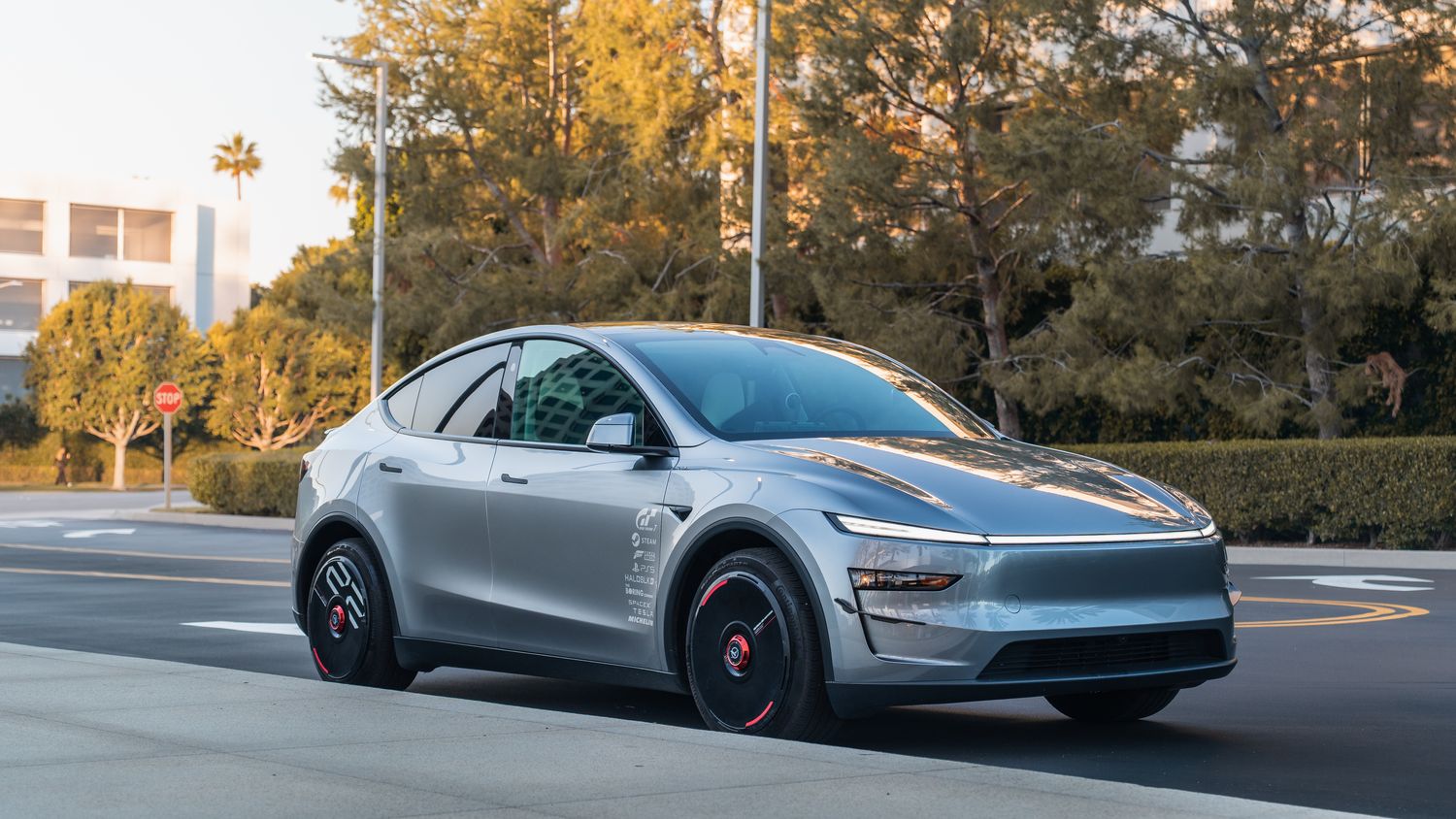
![Best Tesla Model Y Wheel Covers in 2026 [Top Picks]](http://www.haloblk.com/cdn/shop/articles/DSC05639_63e215a3-f4a9-4702-9b19-3b79030d73de.jpg?v=1785488170&width=1500)

Leave a comment
All comments are moderated before being published.
This site is protected by hCaptcha and the hCaptcha Privacy Policy and Terms of Service apply.