
If you drive a Tesla Model 3 or Model Y, you have probably asked yourself a simple question: should you keep your Tesla aero wheel covers, or switch to regular exposed wheels for a cleaner look?
It sounds like a small styling decision, but it actually affects a lot more than appearance. Your choice can influence efficiency, range, day-to-day protection, and even how much brake dust, dirt, and road debris end up on your rims. For many Tesla owners, it is a balance between function and personality: do you want the aerodynamic advantage of aero wheel covers, or the open-wheel look that feels more premium and sporty?
The answer depends on how you use your vehicle, what kind of driving you do, and what matters most to you. Some drivers want every extra mile of range they can get. Others care more about aesthetic appeal, easier cleaning, or upgrading the exterior of their car with something more stylish than stock covers. And many want both.
In this guide, we will compare Tesla wheel covers and regular wheels in a practical way. We will look at aerodynamics, wind resistance, curb protection, installation, and overall style so you can decide which setup is the best model for your driving habits.
What Are Tesla Aero Wheel Covers?
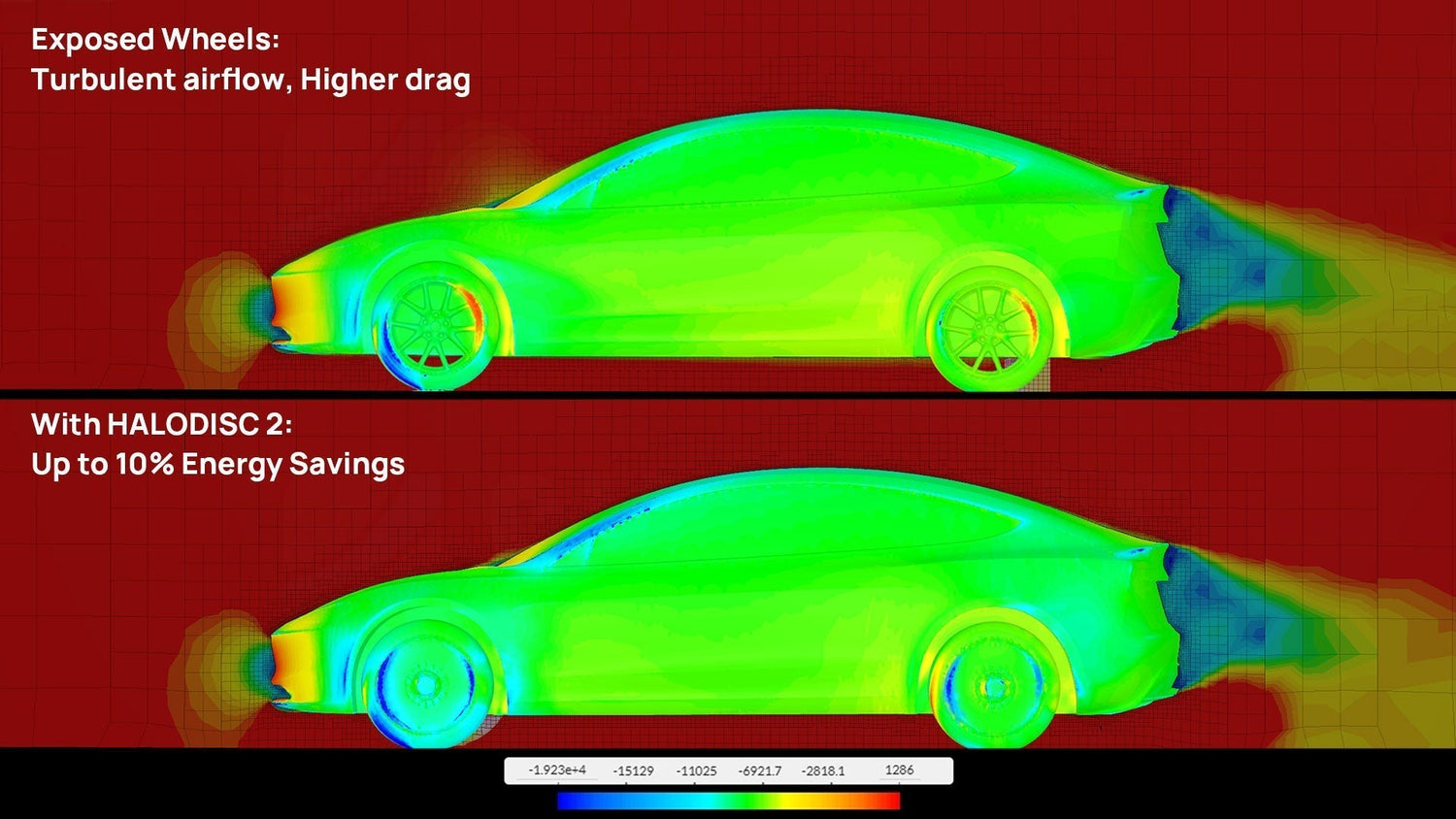
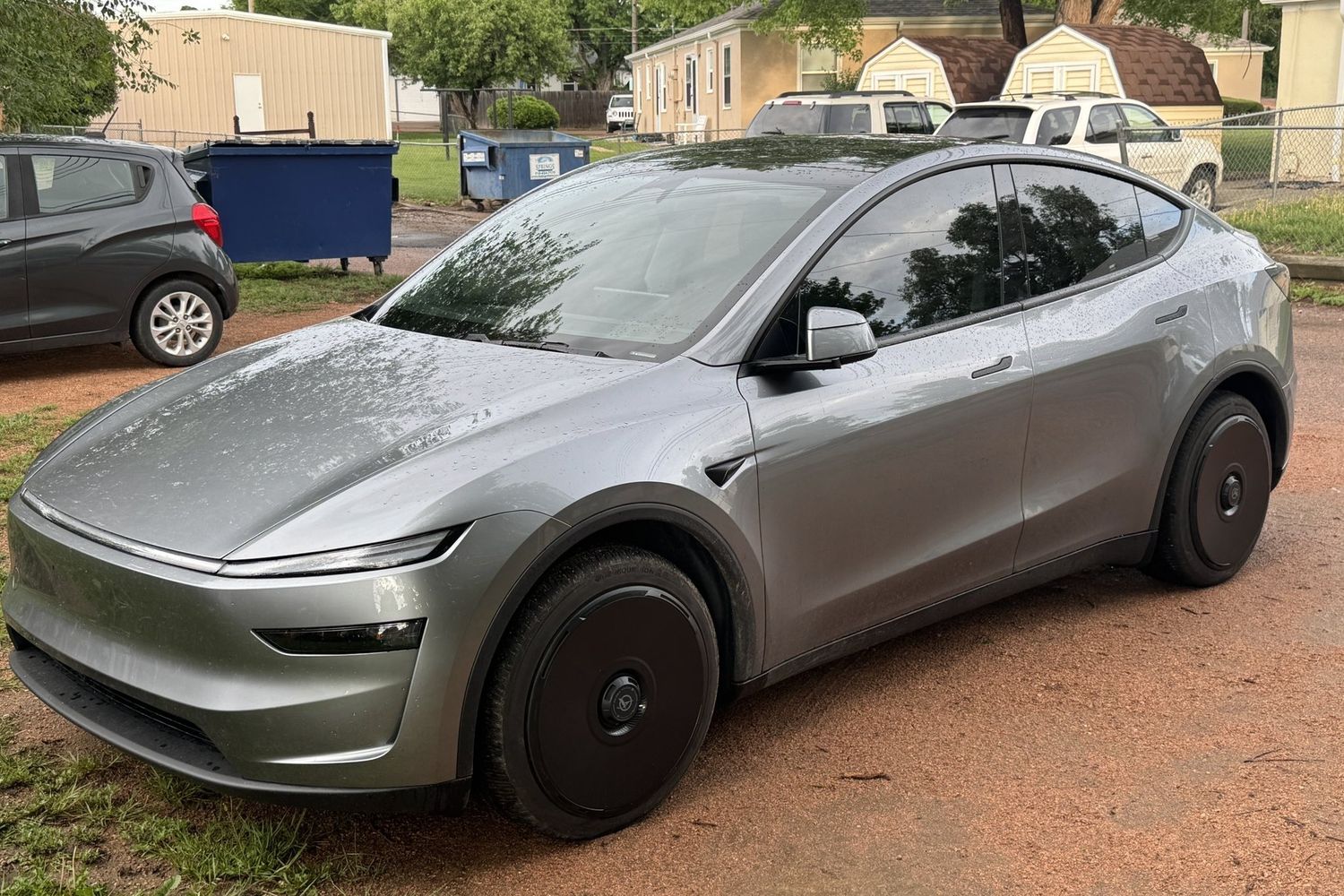
Tesla aero wheel covers are removable wheel covers designed to sit over the factory wheel face. On many Tesla models, especially the Tesla Model 3, they are included as OEM equipment because they play a crucial role in reducing air turbulence around the wheel. By smoothing airflow, these aero covers help improve aerodynamics and support better overall efficiency.
That is why they are so common on electric vehicles. Since EV drivers pay close attention to mileage and energy use, even a small improvement in airflow matters. At highway speed, exposed wheel spokes can create more drag, while aero wheel covers help reduce wind resistance. Over time, that can help save energy and preserve usable range.
Tesla’s factory designs, including well-known options like Gemini wheel covers, are made to fit perfectly with the wheel shape. When installed correctly, they provide a secure fit and stay firmly in place during normal driving. They also cover much of the wheel face, which means they can add a layer of additional protection against light road debris, surface scratches, and everyday grime.
In other words, they are not just decorative hub caps. They are functional accessories designed to support performance while keeping the wheel area cleaner and more protected.
What Are Regular Wheels?
When people say “regular wheels” in the Tesla world, they usually mean removing the factory hubcaps or stock covers and driving with the bare wheel exposed. Sometimes owners also switch to aftermarket designs, but often the change is as simple as taking off the factory covers and adding center caps and a tire valve cap kit for a finished look.
This setup is popular because many drivers prefer the open-wheel style. Without the cover, the wheel design becomes more visible, which can make the car look sharper, more aggressive, or more premium. On a clean Tesla model, exposed wheels can give the exterior a more refined appearance, especially when paired with dark paint, black trim, or other visual upgrades.
There is also a practical side. Some drivers like having easier access when cleaning around the wheel face, and some simply do not like the look of standard Tesla wheel covers. They may feel the exposed wheel better matches the minimalist interior and modern design language Tesla is known for.
Still, removing the covers means giving up some of the functional benefits that came with the factory setup. So while regular wheels can look cool, the tradeoff is not only visual.
Efficiency: Do Aero Wheel Covers Really Make a Difference?
This is the biggest reason Tesla aero wheel covers exist in the first place.
At low city speeds, the difference between covered and uncovered wheels may be small. But once you get onto the highway, wind resistance becomes a bigger factor. Wheels are not smooth surfaces. Open spokes disrupt airflow, and that extra drag can reduce efficiency. By comparison, aero wheel covers are designed to smooth the path of the air moving around the wheel area.
That is why Tesla and other company brands in the EV market keep using these designs. On electric vehicles, even minor aerodynamic gains matter because they help extend range without changing the battery. For a commuter or road-trip driver, that can be worth keeping.
This does not mean every driver will feel a dramatic difference every day. Real-world results depend on driving habits, temperature, tire pressure, route, and average speed. But in general, Tesla aero wheel covers support better highway efficiency than regular exposed wheels.
So if your priority is maximum range, the factory setup usually makes more sense. If you mainly drive short local trips, the loss may feel less important, which is why some owners still opt for exposed wheels.
Style: Why Many Drivers Still Prefer Regular Wheels
Now let’s talk about why so many Tesla owners still remove the covers anyway.
The truth is simple: many people like the look better. An exposed wheel can make a Tesla Model 3 or Model Y look cleaner, sportier, and more upscale. Some factory wheels have a shape that owners barely see until they remove the cover. Once they do, many are super happy with the change.
This is where aesthetic appeal comes in. A car is not only about numbers. Style matters. A wheel setup changes the whole side profile of the vehicle. Some people love the smooth, futuristic appearance of aero covers. Others feel exposed rims look more stylish, more solid, and more in line with the rest of the Tesla design.
That is especially true if you add matching center caps, lug nut covers, and a dark tire valve kit. Those small details can make the finished look feel intentional rather than incomplete.
For drivers who care deeply about appearance, regular wheels can feel like the better choice even if the aerodynamic benefit is slightly lower. It becomes a case of what you want from your car every time you walk up to it.
Protection: Wheel Covers Do More Than You Think
One area many people overlook is protection.
Factory Tesla wheel covers and good aftermarket designs do more than change airflow. They also help protect the wheel face from minor impacts, dirt, and daily wear. Since the cover sits over much of the visible wheel, it can act as a shield against small stones, road debris, and grime kicked up from the road.
That matters because Tesla wheels are expensive to repair or replace. A decent cover can help prevent damage from light contact that might otherwise mark the visible surface. It will not make your wheels indestructible, but it can reduce cosmetic wear.
It also helps with brake dust and general dust buildup. Covered wheels tend to hide some of the mess that would otherwise settle directly onto the spokes. If you want your wheels to stay cleaner-looking between washes, wheel covers can help with that.
The biggest issue here is curb rash. No cover can magically erase bad parking angles, but many designs offer at least some buffer near the outer edge of the wheel. That extra layer may help reduce potential damage from a light brush with a curb. Some cover styles wrap close to the entire rim, offering more visual coverage and a bit more peace of mind.
If you frequently parallel park, drive in tight urban areas, or simply want help protecting your rims, wheel covers can be a cost effective choice.
OEM vs Aftermarket Wheel Covers
Not every cover is the same.
OEM Tesla aero wheel covers are designed by Tesla for factory compatibility. They are made to fit perfectly, line up properly, and maintain the intended aerodynamic performance of the vehicle. If you want the simplest option with predictable results, OEM is usually the safe choice.
But the aftermarket world is much bigger. There are many brands offering upgraded Tesla wheel covers, redesigned Gemini wheel covers, and more aggressive styles for the Model 3 and Model Y. Some focus on efficiency, some focus on full protection, and others focus mainly on style.
A good aftermarket set can look amazing, feel good quality, and still provide a secure installation. Some are designed to cover the wheel edge more fully, helping shield the entire rim from scratches and curb rash. Others are created to mimic premium wheel designs at a more cost effective price.
The key is not to assume all covers are equal. Cheap products can get stuck, rattle, or fail to stay secure. Better ones are engineered for a secure fit, cleaner installation, and long-term durability. So if you go beyond Tesla’s factory options, quality matters.
Installation: Easy Upgrade or Annoying Job?
For most owners, installing or removing Tesla wheel covers is not difficult. In many cases, you do not need special tools beyond basic trim help or gloves. If the covers are designed well, they snap into place and stay secure around the wheel. Adding center caps and a tire valve cap set is also a straightforward process.
That simplicity is part of their appeal. You can switch from factory aero wheel covers to exposed wheels and back again without making permanent changes to the vehicle. That gives owners flexibility. Some keep covers on for long trips to maximize efficiency, then remove them for everyday driving or photo-ready looks.
Still, proper installation matters. If the fit is poor or the clips are not aligned, the cover may not sit correctly. That can create rubbing, unwanted movement, or uneven contact near the wheel edge. So no matter which option you choose, careful install work is worth it.
A well-designed product should feel solid once mounted. You should not wonder whether it will fly off or shift at the wrong angle. Good designs stay put and feel like they belong on the car.
Tesla Model 3 vs Model Y: Does the Choice Change?
Yes, sometimes.
The Tesla Model 3 community has always paid close attention to aero setups because the car’s efficiency-focused identity makes those choices more noticeable. Many owners of the model 3 keep the covers on because they appreciate every bit of extra range they can get. Others remove them the day the car arrives because they prefer the exposed wheel look.
With the Model Y, the decision often comes down to styling and use case. Since the vehicle has a taller profile, some owners care even more about appearance and choose wheel covers that visually sharpen the side view. Others keep the factory setup for family travel and longer drives.
Neither choice is automatically right. It depends on whether your Tesla is primarily a commuter, weekend car, long-distance cruiser, or visual project.
So, Which One Delivers True Efficiency and Style?
If your priority is pure efficiency, Tesla aero wheel covers are usually the better option. They are designed to reduce wind resistance, support better aerodynamics, and help preserve range, especially at highway speeds. They also add practical protection from dirt, brake dust, and minor road debris.
If your priority is visual impact, regular exposed wheels may win. They can transform the look of your Tesla model, highlight the wheel design, and create a cleaner, more premium appearance. For many owners, that upgrade feels worth it even if they give up a little aerodynamic advantage.
If you want the best of both worlds, high-quality aftermarket wheel covers may be the smart middle ground. The right set can enhance style, provide additional protection, and still maintain much of the functional benefit that makes aero covers popular in the first place.
That is really the takeaway: this is not just about whether hub caps look good or not. It is about how you want your Tesla to perform, how you want it to look, and how much value you place on practicality versus visual expression.
Final Thoughts
There is a reason this debate keeps coming up in the Tesla community. Tesla aero wheel covers are not just boring factory parts. They serve a real purpose. They improve airflow, help maintain efficiency, and offer a useful layer of protection for your wheels. For many drivers, that makes them the smarter everyday choice.
At the same time, regular wheels have undeniable appeal. They look more open, more custom, and often more premium. If style is a major part of your ownership experience, exposed wheels or a refined set of aftermarket covers may be exactly what you want.
The best decision is the one that fits your driving habits and your taste. If you value every mile of range, stick with the aero setup. If you care more about appearance, you may be glad you decided to remove them. And if you want a smarter blend of style and function, a well-made cover upgrade could be the answer.
In the end, the real winner is not one fixed setup. It is choosing the wheel solution that helps your Tesla look awesome, stay protected, and perform the way you expected from the start.


Leave a comment
All comments are moderated before being published.
This site is protected by hCaptcha and the hCaptcha Privacy Policy and Terms of Service apply.