
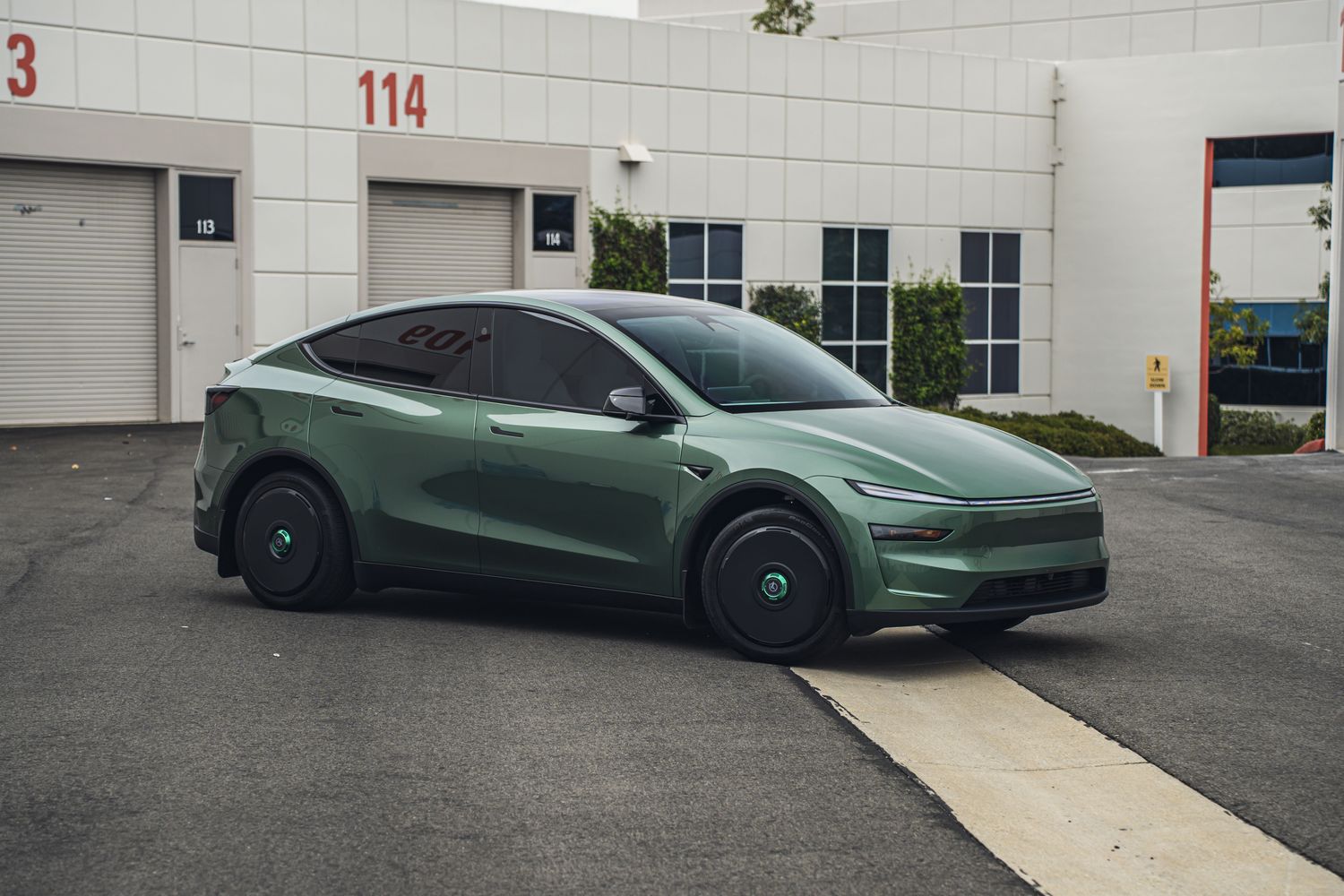
When it comes to upgrading or replacing wheel covers on a Tesla, many Tesla owners face the same question: OEM vs aftermarket wheel cover, which option is actually better? With so many wheel cover options available in today’s market, understanding the key differences between OEM wheel covers and aftermarket covers is essential before making a decision.
This comparison breaks down fitment, material quality, cost, driving experience, and long-term reliability, helping owners choose the right solution for their Tesla model.
Understanding OEM Wheel Covers
What Does OEM Mean?
OEM stands for original equipment manufacturer. OEM wheel covers are produced either directly by Tesla or by a factory-approved manufacturer using official part number specifications. These include stock OEM covers, OEM center caps, and wheel center caps designed specifically for each model.
Advantages of OEM Covers
OEM covers are engineered to match the OEM wheel perfectly. This ensures:
- Consistent perfect fitment
- Factory-tested quality
- Compatibility with crossflow wheels
- No need for adjustments during installation
For owners who want their vehicle to remain as close as possible to factory condition, OEM center caps and stock OEM components provide peace of mind.
Limitations of OEM Options
While OEM solutions offer reliability, they often come with:
- Limited customization options
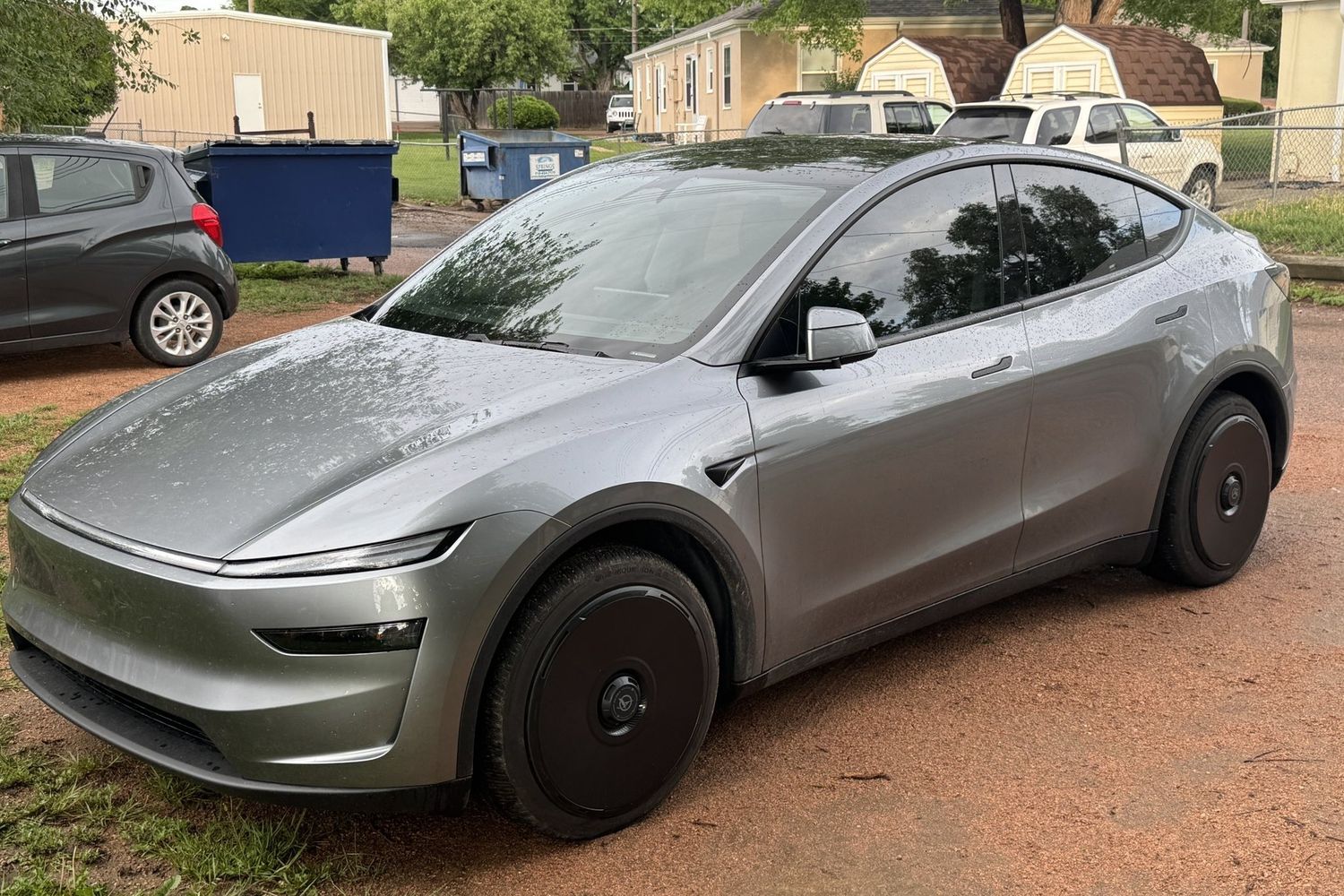
- Mostly silver or basic plastic finishes
- Higher cost compared to aftermarket solutions
For many owners, OEM covers are functional but visually conservative.
What Are Aftermarket Wheel Covers?
Aftermarket wheel center caps, aftermarket center caps, and aftermarket covers are produced by third party manufacturers rather than Tesla itself. These products are widely available across online website marketplaces and specialty automotive stores.
Advantages of Aftermarket Covers
One of the biggest advantages of aftermarket ones is choice. Aftermarket brands offer:
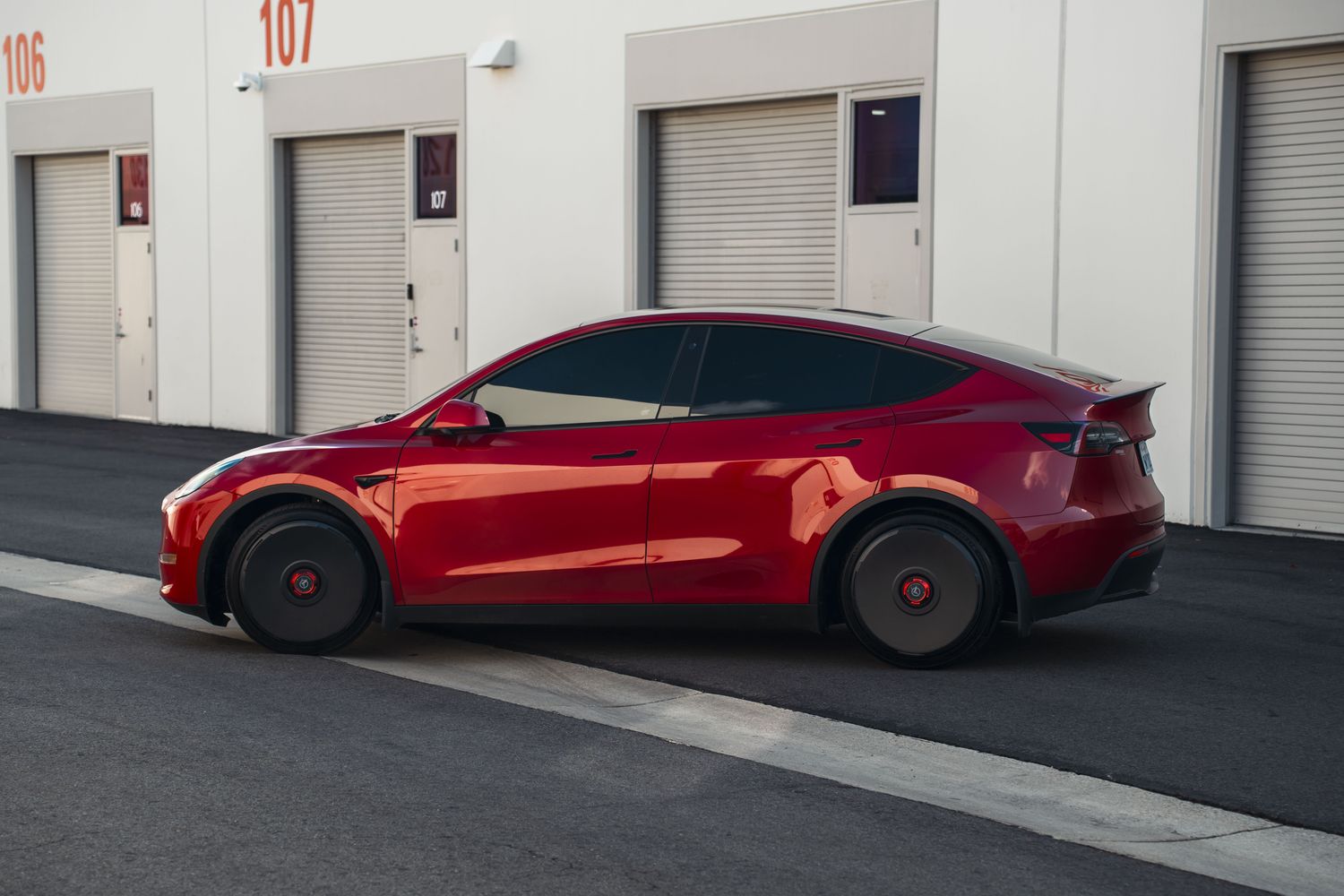
- Wider wheel cover options
- Custom logo designs
- Carbon fiber and premium material alternatives
- Sporty or aggressive styling for rims
- Cost effective pricing that is often cheaper than OEM
For owners looking to personalize their car, aftermarket covers unlock far more creative freedom.
OEM vs Aftermarket: Key Differences Explained
Fitment and Installation
OEM vs aftermarket fitment is one of the most important considerations. OEM covers are guaranteed to align with factory specs and sit cleanly around the outer rim.
High-quality aftermarket wheel products can also deliver excellent fitment, especially from reputable brands. However, lower-end options may result in:
- Improper seating on all four wheels
- Extra noise at speed
- Looser caps that collect dirt
Choosing the right brand matters.
Material Quality and Durability
OEM products are typically made from durable plastic designed to balance weight and longevity. They perform well in everyday conditions, including light snow and rain.
Aftermarket brands vary more widely. Some use reinforced plastic, while others offer premium finishes like carbon fiber. Material choice impacts:
- Resistance to cracking
- Long-term wear
- Protection against being scratched
Higher-end aftermarket options can exceed OEM standards, while budget ones may not.
Cost and Value Comparison
From a pricing perspective, aftermarket products are usually more cost effective. OEM covers often command a higher cost due to branding, factory testing, and warranty coverage.
For owners who replace covers frequently due to parking damage or curb contact, aftermarket caps may offer better value, especially when replacing a number of components over time.
Driving Experience and Performance
In normal driving, most owners will not notice a dramatic difference in driving experience between OEM and aftermarket covers, as long as fitment is correct.
Poorly designed covers may cause:
- Added noise
- Minor vibration
- Reduced perceived performance
Well-designed aftermarket covers maintain smooth airflow and protect the wheel caps without affecting handling.
Warranty, Reliability, and Long-Term Use
OEM components are backed by Tesla’s official warranty, which matters to owners who prioritize factory support and long-term reliability.
Aftermarket products typically rely on the seller or manufacturer warranty. Reputable brands often provide solid coverage, but buyers should always review customer feedback and customers reviews before purchasing.
OEM or Aftermarket: Which Is Better for You?
The final comparison comes down to priorities:
- Choose OEM wheel covers if you value factory originality, guaranteed fit, and minimal risk.
- Choose aftermarket covers if you want customization, cheaper pricing, and unique styling.
Both options serve different types of owners in today’s Tesla world.
Final Verdict
There is no universal winner in the OEM vs aftermarket wheel cover debate. OEM delivers consistency and factory-backed confidence, while aftermarket solutions provide flexibility, style, and strong advantages in price and design.
For most Tesla owners, the best choice depends on how they balance quality, cost, personalization, and long-term expectations for their vehicle.

Leave a comment
All comments are moderated before being published.
This site is protected by hCaptcha and the hCaptcha Privacy Policy and Terms of Service apply.