
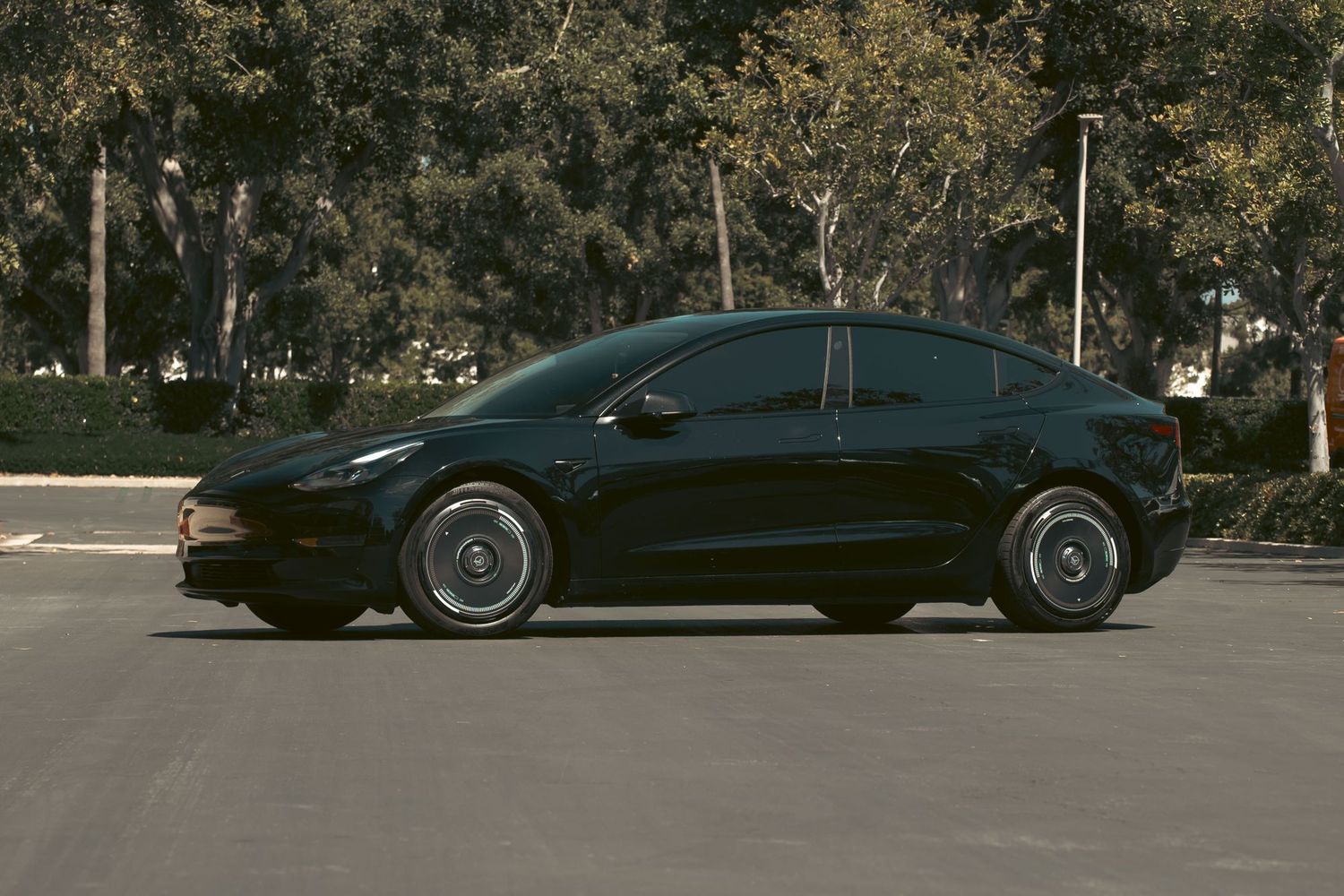
If you’ve ever looked at a Tesla Model 3 and wondered whether the factory wheel covers are actually necessary, you’re not alone. It’s one of the most common questions in the Tesla community, especially among new owners deciding whether to keep the stock aero wheel covers, swap to aftermarket covers, or remove them entirely and drive with center caps and lug nut covers instead.
The honest answer is simple: wheel covers are not strictly necessary for a Tesla Model 3 to function safely, but they can make a real difference in efficiency, protection, and the vehicle's appearance depending on how and where you drive.
So if you’re asking, are wheel covers necessary for Model 3, the better question is this: what matters most to you—looks, driving range, protection, or simplicity?
Why Tesla uses wheel covers on the Model 3
Tesla didn’t add aero covers just for style. The purpose of the factory aero wheel design is to reduce wind resistance and improve aerodynamics. At higher speeds, especially during highway driving, smoother airflow around the wheel area can help the car move a bit more efficiently through the air.
That is why many Tesla owners notice that the stock aero wheel covers are most useful on long trips or any drive where you spend a lot of time at highway speeds. Around town, the effect may feel smaller. On the highway, the difference can be more noticeable.
This is also why some owners say the covers help improve efficiency and add a bit of extra range. It may not be a huge gain in every situation, but in the long run, even a small improvement in better efficiency can matter if you commute often or take frequent road trip drives.
Are wheel covers necessary for daily driving?
For most drivers, the answer is no—they are not absolutely required.
Your Tesla will still drive perfectly well without the factory covers. Plenty of Tesla owners remove them and run the exposed wheels with center caps and lug nut covers for a cleaner, more sporty look. Some prefer that appearance because it shows more of the tesla wheels and gives the car a less closed-off design.
If most of your driving is city driving, where speeds are lower and stop-and-go traffic is common, you may not notice a significant difference in real-world range. In that case, keeping the covers off may be more about personal style than performance.
But if you do a lot of highway commuting, weekend travel, or long trips, then the stock wheel covers can offer enough aerodynamic benefit to be worth keeping.
The efficiency question: do wheel covers really help?
This is the main reason people keep asking, are wheel covers necessary for Model 3.
In practical terms, yes, the stock aero covers can help improve efficiency by reducing air resistance around the wheels. Since the wheels create turbulence as they spin, Tesla uses the covers to smooth airflow and reduce drag. That matters more at highway speeds than in slower city traffic.
So do they create a big difference? Usually not in a dramatic way on a short drive. But they can create a meaningful difference over time, especially for drivers who care about squeezing the most driving range from each charge.
For example, on long trips, the gain may be enough to reduce charging frequency slightly or give you a bit more confidence when planning a route. That is why efficiency-focused drivers often keep the factory aero wheel covers installed even if they prefer the look of bare rims.
If your priority is pure function, the covers make sense. If your priority is aesthetics, removing them may still be worth it.
Protection is another reason wheel covers matter
Efficiency gets most of the attention, but better protection is another real advantage.
Factory and aftermarket covers can help protect the wheel surface from everyday wear. They create a partial shield against road debris, light scuffs, dirt buildup, and even some forms of cosmetic damage. They are not magic, but they can help avoid scratches and reduce visible wear on your rims.
Many owners also like the extra layer of defense against curb rash, even though covers cannot prevent every parking mistake. In some cases, the cover takes the visual hit before the wheel does, which can help preserve the look of the original wheel finish.
This matters even more in rougher environments where environmental elements like sand, slush, salt, and grime are common. In winter conditions, for example, covers can help reduce direct exposure to some of the mess that builds up around the wheel.
If your focus is keeping your Tesla Model looking clean and minimizing cosmetic wear, wheel covers can be a practical choice.
What happens if you remove them?
If you remove the stock wheel covers, the car will still be fine. But there are a few things to know.
First, the exposed wheel may collect more visible brake dust, dirt, and grime. Some owners love the more open wheel look, but it often means more regular cleaning.
Second, once the covers come off, you’ll probably want a set of center caps and lug nut covers. Without them, the wheel can look unfinished because of the visible hub and fasteners. These small parts are inexpensive, but they do matter for the final appearance.
Third, if you drive a lot on the highway, you may see a slight drop in efficiency due to less optimized aerodynamics. Again, this usually isn’t dramatic, but it’s part of the tradeoff.
So the real question isn’t whether the car can run without them. It can. The question is whether you care more about style or about better efficiency and protection.
Factory covers vs aftermarket covers
Some owners dislike the stock look but still want the advantages of covers. That’s where aftermarket covers come in.
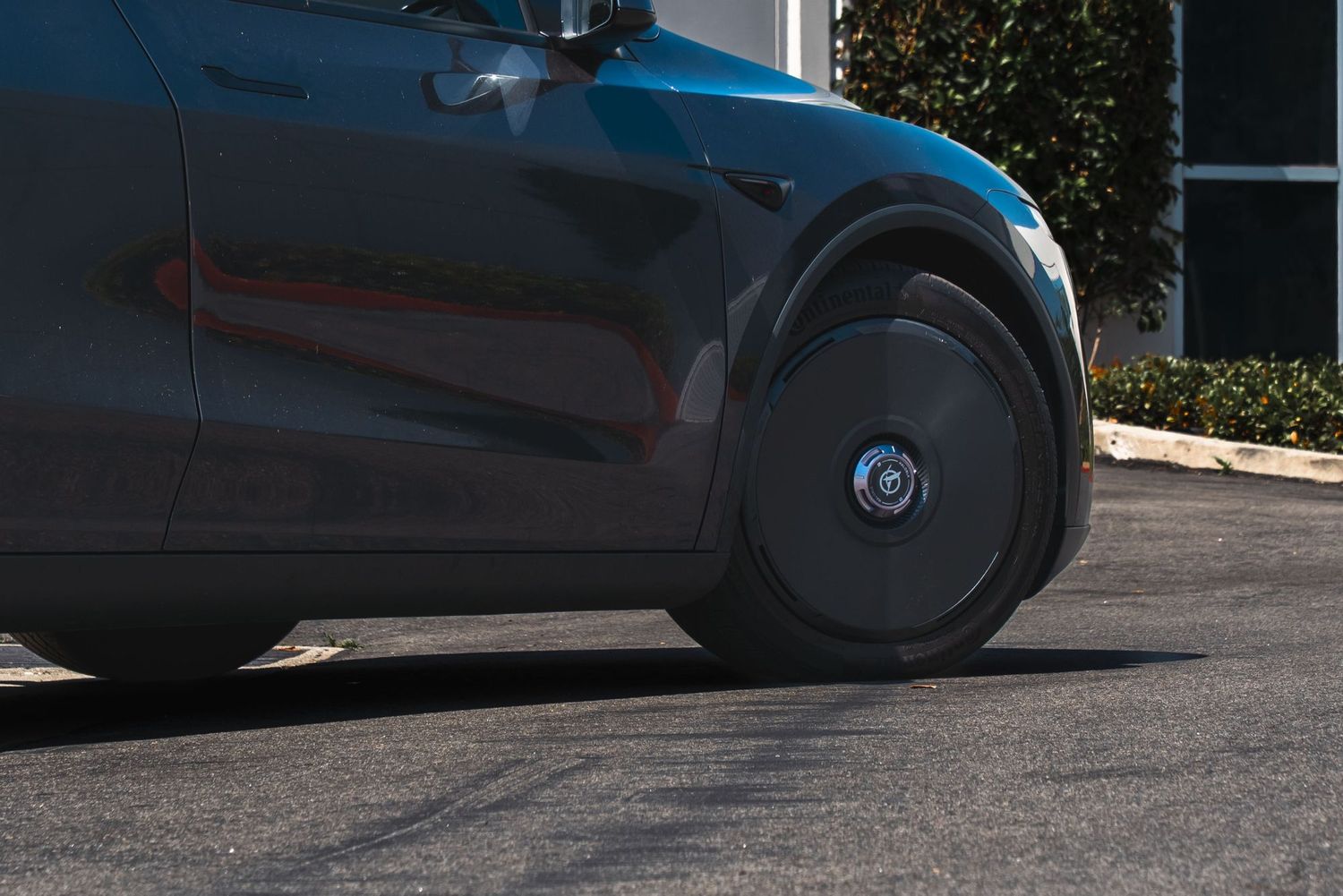
Modern aftermarket options often try to balance aesthetic appeal with aerodynamic performance. Some are designed to mimic sportier wheels, while others keep a smooth aero shape for efficient airflow. The best ones use high quality materials such as durable abs plastic, and they’re built for a tight fit so they stay secure.
Fit matters a lot. Poorly designed covers can create noise, rub against the rim, or even become loose wheel covers over time. If that happens, the issue is not just annoying—it can also affect confidence at highway speeds. That’s why buyers should avoid cheap designs known for loose covers and focus on products with stable clips, proper fitment, and strong owner feedback.
For many Tesla owners, a good aftermarket option is the sweet spot: improved style, decent aero performance, and added protection.
Do wheel covers change the look of the car?
Absolutely. And this is why the debate never really goes away.
Some people think the stock aero wheel covers look clean and futuristic. Others feel they hide the character of the wheels and make the car look too closed off. Removing them reveals more of the wheel design and often gives the Model 3 a sharper, more performance-oriented look.
Adding center caps with a Tesla logo and matching lug nut covers can make the exposed setup look complete. For many owners, that combination offers the best visual upgrade per dollar.
At the same time, some aftermarket designs improve the vehicle's appearance without giving up all the benefits of the original covers. So this isn’t just about necessity—it’s also about how you want your Tesla to look every day.
Cleaning and maintenance tips
Whether you keep the stock covers or switch to aftermarket covers, maintenance matters.
Use mild soap and water for regular cleaning, especially if you drive often in dusty areas or during winter. This helps remove brake dust, road grime, and built-up dirt before it becomes harder to clean.
It’s also smart to avoid harsh chemicals, because strong cleaners can damage finishes, dull surfaces, or weaken lower-grade plastics over time. If your covers are made from abs plastic or similar materials, gentle cleaning is usually the best approach. In other words: avoid harsh chemicals and stick with soft cloths and non-aggressive products.
You should also occasionally check for secure fitment. A cover that starts to shift, rattle, or feel loose needs attention before it turns into one of those dreaded loose wheel covers problems.
So, are wheel covers necessary for Tesla Model 3?
The best answer is this:
No, wheel covers are not mandatory for a Tesla Model 3—but they are useful.
They help with aerodynamics, can improve efficiency, may slightly extend driving range on the highway, and offer better protection against minor wear, road debris, and cosmetic damage. For drivers who take long trips, care about range, or want to protect their rims, they make a lot of sense.
On the other hand, if you value the exposed wheel look more, mostly do city driving, and don’t mind a bit more cleaning, you can absolutely remove them and use center caps and lug nut covers instead.
So if you’re still asking, are wheel covers necessary for Model 3, here’s the practical takeaway:
- Keep them if you care most about efficiency, highway driving, and protection.
- Remove them if you care most about style and don’t mind a small tradeoff.
- Choose quality aftermarket covers if you want both function and a fresh look.
In the end, it’s less about necessity and more about priorities. For many Tesla owners, wheel covers are worth having. For others, they’re an easy thing to swap out. Either way, understanding the tradeoff helps you choose what fits your driving habits, your design taste, and your version of the ideal Tesla Model ownership experience.


Leave a comment
All comments are moderated before being published.
This site is protected by hCaptcha and the hCaptcha Privacy Policy and Terms of Service apply.