

For many Tesla owners, bigger wheels are hard to ignore. They fill the wheel arches better, give the car a more aggressive stance, and make the whole vehicle look more premium. That is why the debate around 20 inch vs 21 inch Tesla wheels is so common, especially for drivers who care about style, performance, and presence on the road.
But wheel size is not only about appearance. Moving from 20 inch wheels to 21 inch wheels can affect ride quality, tire wear, range, steering feel, durability, and even long-term cost. The difference may look small on paper, but in real world conditions, that extra inch can change how the car feels every day.
The Big Wheel Look
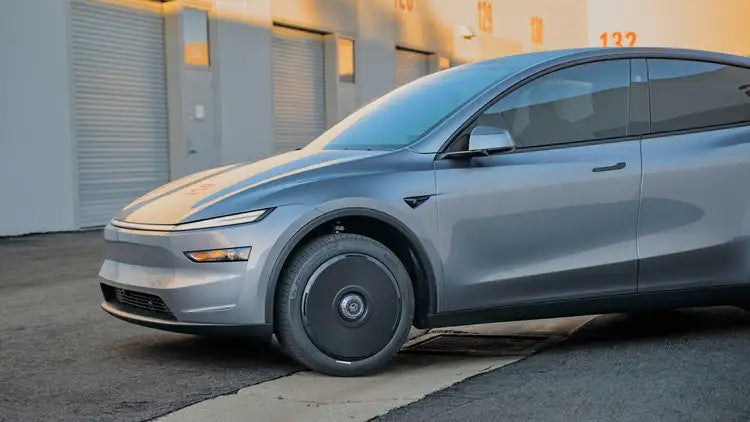
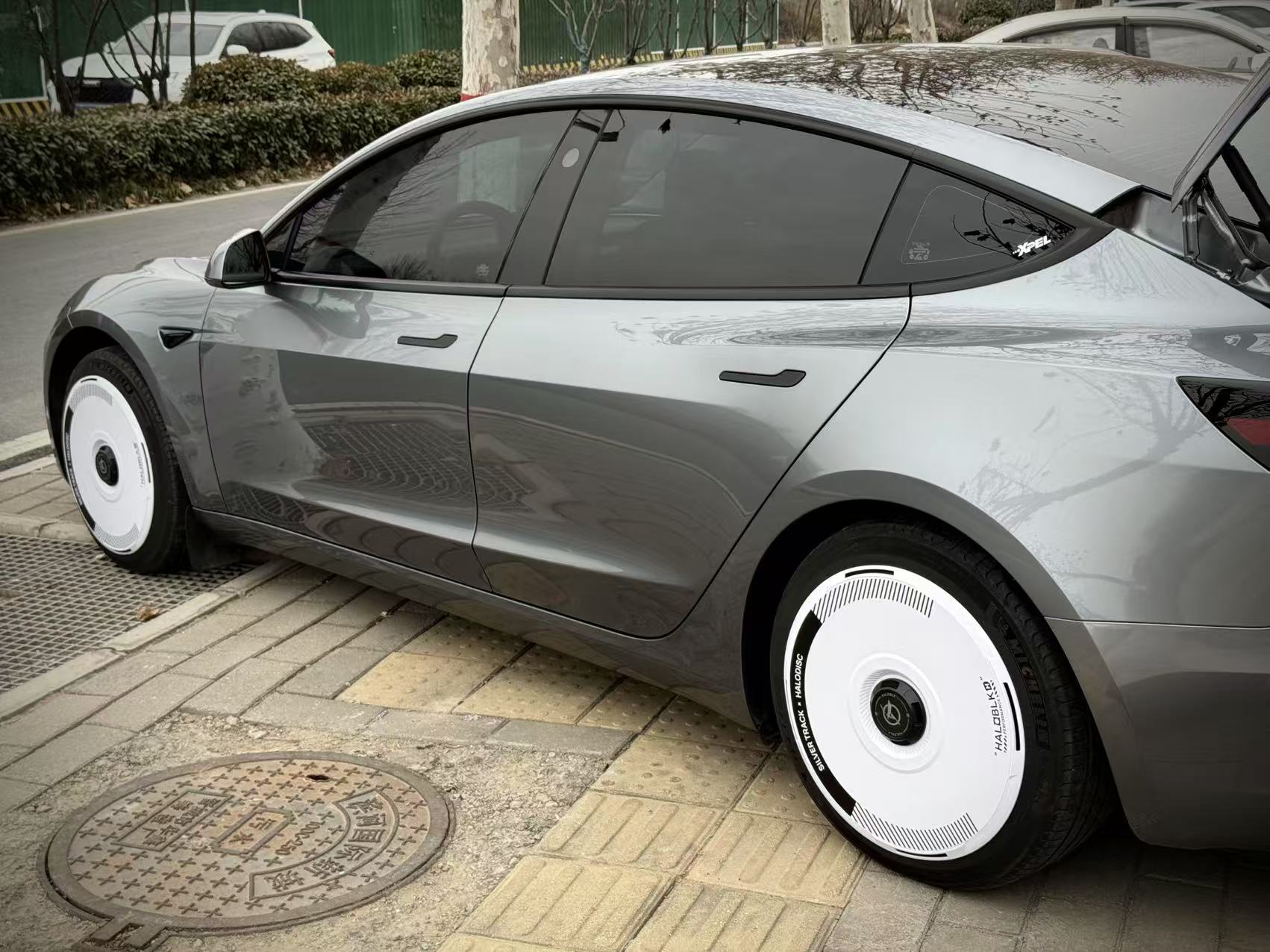
The main reason drivers choose larger wheels is simple: they look good. A Tesla Model S, Model 3, or Model Y with bigger wheels often feels more planted and sporty. The rim fills more of the wheel arch, the tire looks thinner, and the car gets a sharper, more performance-focused appearance.
For some owners, 21 inch wheels are the ideal look. They give the vehicle a bold factory-style presence and can make the car feel closer to a performance model. On smooth roads, the setup can look and feel amazing.
20 inch wheels still offer a strong visual upgrade, but they usually feel slightly more balanced. They give the car a sporty look without pushing ride comfort and durability as far as 21 inch wheels can. If you want a more aggressive design but still care about daily driving, 20 inch may be the easier size to live with.
Ride Quality and Comfort
Ride quality is one of the first trade offs drivers notice when moving to larger wheels. In general, 20 inch wheels can still provide a comfortable ride, especially when paired with the right tire. They have a bit more sidewall than 21 inch wheels, which gives the tire more room to absorb bumps, vibration, and road shock.
With 21 inch wheels, the tire usually has a lower profile. That means stiffer sidewalls and less cushioning between the rim and the ground. On smooth roads, this can feel sharp and controlled. But on rough city streets, potholes, uneven pavement, or broken concrete, the ride may feel firmer.
This does not mean 21 inch wheels are a bad idea. Many owners enjoy the sporty feel. But if your daily drive includes rough roads, parking lots, speed bumps, or longer trips, 20 inch wheels generally offer a better balance between style and ride comfort.
Range and Wheel Weight
Wheel weight matters more than many drivers expect. Larger wheels are often heavier, and heavier wheels require more energy to accelerate and slow down. This is part of what people mean when they talk about unsprung weight.
Unsprung weight affects how the suspension responds to bumps and how efficiently the vehicle moves. Heavier wheels can make the car feel less light on its feet, and they may slightly reduce range compared with smaller wheels. That difference depends on tire choice, wheel design, speed, driving habits, and road conditions.
In general, 20 inch wheels may offer better range than 21 inch wheels, especially if the 20 inch setup uses lighter aftermarket wheels or efficient tires. Some brands, such as Martian Wheels and other aftermarket wheels, focus on reducing weight while keeping strength and structural integrity. A lighter wheel can help improve efficiency, braking feel, and acceleration response.
Still, wheel size is only one part of the range story. Tire pressure, speed, temperature, road surface, and driving style all matter. But if better range and efficiency are important, 20 inch usually has the advantage over 21 inch.
Handling and Steering Feel
The reason many drivers like 21 inch wheels is handling. A lower profile tire can give the car a sharper steering feel. The sidewalls flex less, so the vehicle may feel more direct when turning. On a track or a smooth back road, that can make the car feel more connected.
20 inch wheels can also deliver strong handling, especially with quality tires. The difference is that 20 inch setups often give a little more comfort and forgiveness. They still feel sporty, but they do not usually feel as harsh over bumps.
If your priority is grip, cornering, and an aggressive driving feel, 21 inch wheels may be more appealing. If you want a setup that handles well but still feels comfortable for daily driving, 20 inch wheels are often the better all-around choice.
Tire Wear, Cost, and Replacement
Bigger wheels usually come with lower profile tires, and lower profile tires can cost more to replace. Tire wear also depends on alignment, driving habits, tire compound, load rating, and how much power you use during acceleration.
For Tesla vehicles, tire choice is important because the car is heavy and delivers instant torque. The load rating must be correct for the vehicle. Using the wrong tire is never worth the risk, even if the price looks attractive.
21 inch tires are generally more expensive than 20 inch tires, and they may be less forgiving on rough roads. If you hit potholes often, a lower profile tire gives the rim less protection. That can increase the chance of bending a rim or damaging the tire sidewall.
20 inch tires are not cheap either, but they usually offer a bit more flexibility. For owners who drive a lot, park in tight city spaces, or worry about curb damage, this can make a real difference over time.
Durability in Real World Conditions
In perfect conditions, 21 inch wheels can feel great. But most drivers do not live on perfect roads. Real world conditions include potholes, curbs, steep driveways, road debris, and unexpected bumps.
A 21 inch setup has less tire sidewall to protect the rim, so more shock can reach the wheel and suspension. This can affect comfort and durability, especially in cities or areas with rough pavement. Parking can also be more stressful because larger rims are easier to scratch against a curb.
20 inch wheels give you slightly more tire sidewall, which can help protect the rim and soften impacts. For many drivers, that extra bit of cushion is worth it.
Winter Tires and Seasonal Driving
If you need winter tires, 20 inch wheels are usually easier to manage than 21 inch wheels. They may offer more tire options, better ride comfort, and lower replacement cost. In winter conditions, many drivers actually prefer smaller wheels because they can provide more sidewall and better durability.
21 inch wheels can still work in winter with the correct tires, but the setup is often more expensive and less forgiving. If your Tesla sees snow, ice, rough roads, or cold-weather potholes, 20 inch wheels are usually the more practical choice.
Which Size Should You Choose?
Choose 20 inch wheels if you want a strong sporty look without giving up too much comfort, range, and durability. They are a good balance for daily driving, longer distance trips, and real world roads.
Choose 21 inch wheels if you want the most aggressive appearance and a sharper performance feel. They can look incredible, especially on the right Tesla model, but you should expect firmer ride quality, higher tire cost, and more attention around potholes and curbs.
Final Thoughts
The difference between 20 inch vs 21 inch Tesla wheels is not just about one inch. It is about balance. The 21 inch setup gives you the biggest wheel look, sharper handling, and a more aggressive presence. The 20 inch setup gives you a better mix of comfort, range, durability, and daily usability.
For smooth roads, sporty driving, and maximum visual impact, 21 inch wheels can be a great choice. For real world conditions, daily driving, winter tires, and a more comfortable ride, 20 inch wheels are usually easier to live with.
Both sizes can look great. The right choice depends on your roads, your driving habits, your budget, and how much comfort you are willing to trade for style.

Leave a comment
All comments are moderated before being published.
This site is protected by hCaptcha and the hCaptcha Privacy Policy and Terms of Service apply.